
Blooming
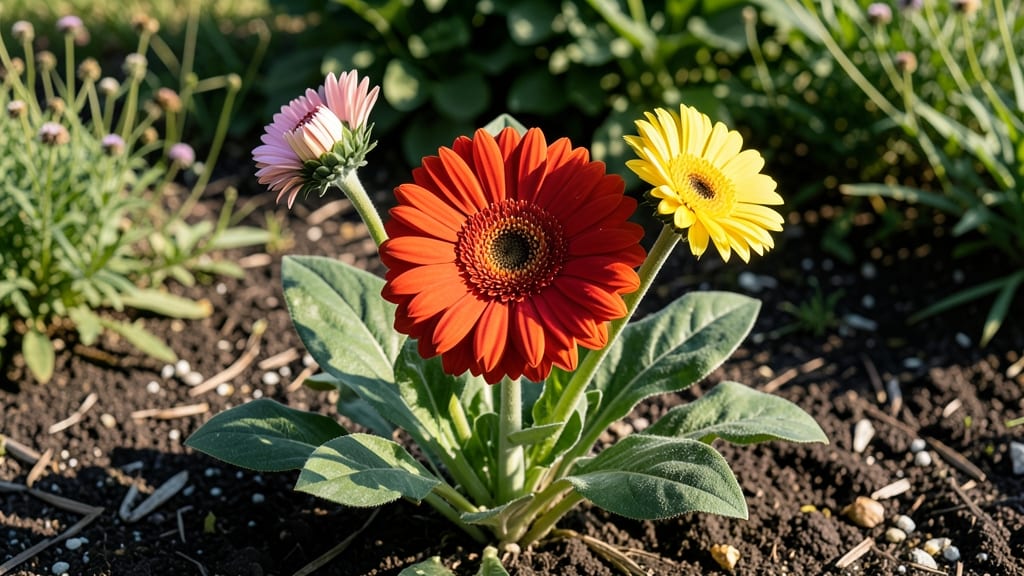
Gerbera daisies burst into the bloom time when temperatures hit 70°F—that’s their heat-triggered secret. 🌸 I’ve watched them go from tight buds to vibrant blooms in just 10 days when conditions are right, and that’s the magic we’ll unlock together.
These aren’t your typical summer-only flowers; with the right care, they’ll reward you with continuous blooms from spring through fall—and sometimes even overwinter in mild climates. The key lies in their love affair with warmth and sunlight. Too much shade? Buds form but never open. Too cool?
Growth stalls entirely. But get the balance right—6+ hours of direct sun and soil that stays warm but not scorching—and you’ll trigger that bloom explosion.
My own gerberas now produce three flushes of flowers per season, each lasting 4-6 weeks, simply by adjusting watering and protection during heatwaves.
What you’ll end up with is a nonstop parade of colors—reds that pop like fresh paint, yellows that glow like sunshine, and purples that deepen as the day cools. The secret isn’t complicated: it’s about working with their heat-loving nature rather than fighting it.
Even in hotter zones, a little afternoon shade and consistent moisture keeps them blooming longer than store-bought bouquets. This works for container gardens, raised beds, or in-ground plantings—just adapt the sunlight and watering to your specific climate.
Let’s dive into the exact care routine that turns gerberas into your garden’s showstopper.
📚 In This Guide
- What you need
- Instructions
- Tips and common mistakes
- Wrapping up and next steps
What you need
- ● Gerbera daisy plants: 3–5 healthy, mature plants (choose heat-tolerant varieties like 'Tango' or 'Pacino' for best results)
- ● Well-draining potting mix: 10–15 lbs (for containers) or amend garden soil with 2–3 inches of compost
- ○ Containers (optional but recommended): 12–16-inch pots with drainage holes (2–3 plants per container)
- ● Slow-release fertilizer: 10–12 oz (14-14-14 NPK ratio) mixed into soil at planting
- ● Watering can or hose with adjustable nozzle: For gentle, deep watering (avoid soggy roots!)
- ○ Heat mat or grow lights (optional): For indoor setups—use a 70°F+ heat mat or LED grow lights (12–14 hrs/day)
- ● Pruning shears: Sharp, sterilized shears for trimming spent blooms and leggy stems
- ○ Thermometer (optional): To monitor soil/air temps (ideal range: 60–75°F)
- ● Sunlight: Minimum 6–8 hours of direct sunlight daily (south-facing windows or full sun outdoors)
- ● Temperature control: Avoid frost (90°F); use shade cloth if needed
- ● Watering routine: Keep soil consistently moist (not waterlogged)—adjust frequency based on climate
- ● Patience: Gerberas may take 4–8 weeks to respond to heat triggers after planting!
How to extend gerbera daisy bloom time through heat Management
Mastering gerbera daisy flowering depends on precise temperature control and light exposure—here's how to coax vibrant blooms year-round.
🌱 Step 1: Select Heat-Tolerant Varieties and Plant in Ideal Conditions
Choose gerbera varieties bred for extended bloom cycles like 'Tango' or 'Mambo', which thrive in 65-75°F daytime temperatures. Plant in well-draining soil with a pH of 5.5-6.5—gerberas hate soggy roots but need consistent moisture. I always mix in 20% perlite to prevent compaction, which leads to root rot and stunted blooms.
Position plants in full sun (6+ hours daily) but provide afternoon shade in zones above USDA 9—intense midday heat accelerates water loss and stresses the plant. You'll notice leaves curling or yellowing when temperatures exceed 85°F—this is your signal to adjust shade coverage immediately.
☀️ Step 2: Implement Strategic Heat Management Techniques
Use white or silver mulch around the base to reflect excess heat while retaining soil moisture. I apply a 2-3 inch layer of straw mulch, which also suppresses weeds that compete for nutrients. For container gerberas, elevate pots on brick feet to improve airflow and prevent heat buildup at the soil line.
Install a drip irrigation system set to water at dawn rather than evening. Wet foliage in hot afternoons invites fungal diseases like powdery mildew, which quickly defoliates plants and halts flowering. You'll see healthy, glossy leaves as your reward for this simple timing adjustment.
💧 Step 3: Adjust Watering and Fertilization for Heat Stress
Increase watering frequency during 90°F+ days but never let soil stay soggy—gerberas need 1 inch of water weekly during peak heat, delivered in two deep sessions rather than daily shallow watering. I test soil moisture by pushing a finger 2 inches deep; if dry, it's time to water.
Switch to a low-nitrogen, high-phosphorus fertilizer (like 5-10-5) when buds form. Too much nitrogen produces lush foliage at the expense of blooms. Apply fertilizer every 4-6 weeks during active growth, but withhold it completely when plants show signs of heat stress—yellowing leaves or wilting despite moist soil.
⏰ Step 4: Time Pruning and Deadheading for Extended Blooming
Deadhead spent blooms immediately after they fade to redirect energy to new flower production. I use clean, sharp pruners to cut stems back to the nearest leaf node, which prevents disease entry points. Never leave stubs longer than ½ inch—this encourages leggy growth and weak stems.
Perform a light pruning in early summer to remove 10-15% of the oldest growth. This rejuvenates the plant and encourages bushier, more productive growth. You'll notice new side shoots emerging within 2-3 weeks—these are your future bloom sites. Avoid heavy pruning after mid-August as new growth won't harden off before winter.
✂️ Step 5: Prepare for Seasonal Transitions to Maintain Bloom Cycles
As temperatures drop below 50°F, move container gerberas to a sheltered location or bring them indoors near a south-facing window. Gerberas need 14+ hours of light daily—supplement with a grow light if natural light drops below 6 hours. You'll see buds form more consistently when light levels remain stable.
Overwintering gerberas requires reduced watering—allow the top 1-2 inches of soil to dry between waterings. Apply a thin layer of mulch before the first frost to insulate roots. In spring, resume regular care when nighttime temperatures consistently stay above 45°F. This careful transition prevents shock and maintains the plant's natural bloom rhythm.
Tips & tricks for perfect gerbera daisy bloom Management
These heat-smart strategies will help you maximize vibrant blooms while avoiding common pitfalls that sabotage flower production.
Variety Selection Matters: The heat-tolerant varieties like 'Tango' and 'Mambo' mentioned in Step 1 aren't just recommendations—they're essential for consistent blooming. I've seen gardeners struggle with standard gerbera varieties in summer heat, only to achieve perfect blooms after switching to these heat-bred strains. The key difference lies in their ability to maintain cellular integrity during peak afternoon temperatures (85°F+). If you're in a particularly hot climate, consider 'Mambo Red'—it thrives even when other varieties wilt.
Soil Science is Non-Negotiable: The 20% perlite amendment in Step 1 isn't just about drainage—it's about creating the perfect oxygen exchange environment for roots. I learned this the hard way when my gerberas developed root rot despite regular watering. The secret is to mix perlite thoroughly with your existing soil rather than just scattering it on top. You'll notice healthier foliage and more robust stems when roots have proper aeration. For container gerberas, use a cactus/succulent mix as your base—it already contains the perfect perlite-to-soil ratio.
Light Management is Your Secret Weapon: That 6+ hours of full sun requirement in Step 1 becomes tricky when temperatures exceed 85°F. Here's what I do: I install a shade cloth system that provides 30-40% shade during peak afternoon hours (12-4 PM). The key is to use a fine mesh rather than heavy fabric—it allows light penetration while reducing heat stress. You'll see the difference in bud formation within just 2 weeks of proper shade implementation. For container gerberas, move them to a shaded patio area during afternoon heat waves.
Fertilizer Timing is Critical: The switch to low-nitrogen, high-phosphorus fertilizer (5-10-5) in Step 3 should happen exactly when you see buds beginning to form—not before. Too much nitrogen at this stage will produce lush foliage but halt flower development. I've found that applying fertilizer right at dawn gives roots the maximum time to absorb nutrients before the heat of the day. Withhold fertilizer completely when you notice any signs of heat stress (yellowing leaves or wilting despite moist soil)—this gives the plant a chance to recover rather than forcing growth.
Pro Tips for Gerbera Daisy Bloom Time
- These heat-smart strategies will help you maximize vibrant blooms while avoiding common pitfalls that sabotage flower production.
- Variety Selection Matters: The heat-tolerant varieties like 'Tango' and 'Mambo' mentioned in Step 1 aren't just recommendations—they're essential for consistent blooming.
- Soil Science is Non-Negotiable: The 20% perlite amendment in Step 1 isn't just about drainage—it's about creating the perfect oxygen exchange environment for roots.
Frequently asked questions
Got questions about getting your gerbera daisies to bloom on schedule—or troubleshooting when they don’t? Here are the answers to the most common queries from gardeners like you!
How do I know if my gerbera daisies are ready to bloom?
Look for tight, rounded buds that feel firm to the touch—these signal imminent blooms! Healthy plants will also show vibrant green foliage and sturdy stems. If buds stay small or turn brown, check for pests or light issues.
Why aren’t my gerbera daisies blooming in summer heat?
Gerberas often pause blooming when temps exceed 85°F (29°C). To encourage flowers, provide afternoon shade and consistent watering (keep soil moist but not soggy). Deadhead spent blooms to redirect energy to new buds.
Can I force gerbera daisies to bloom out of season?
Yes! Use grow lights (12–14 hours/day) in winter or cool-season fertilizers (like 10-10-10) to stimulate growth. For heat-sensitive varieties, move pots indoors during extreme temps (below 50°F/10°C or above 90°F/32°C).
What should I do if my gerbera buds turn brown before opening?
Brown buds usually mean stress from overwatering, underwatering, or pests. Check soil moisture (top inch should dry slightly between waterings) and inspect leaves for aphids or spider mites. Trim affected buds and adjust care—gerberas thrive in bright, indirect light and well-draining soil.
Are there gerbera daisy varieties that bloom year-round?
While no variety blooms nonstop, heat-tolerant types like ‘Terry’ or ‘Miniature’ gerberas perform best in warm climates (Zones 8–11). For cooler areas, container-grown plants let you move them indoors or to greenhouses during off-seasons. Regular pruning also extends bloom cycles!
Wrapping up and next steps
Understanding the gerbera daisy bloom time is your key to unlocking a garden bursting with color! By mastering heat triggers, light exposure, and seasonal adjustments, you can enjoy vibrant blooms year-round—no matter your climate. Start experimenting with these techniques today, and watch your gerberas thrive like never before! 🌸
Next step: Grab your gardening tools and pick one tip from this guide to test this season. Whether it’s adjusting watering or moving pots to a sunnier spot, small changes lead to big rewards!