
Blooming
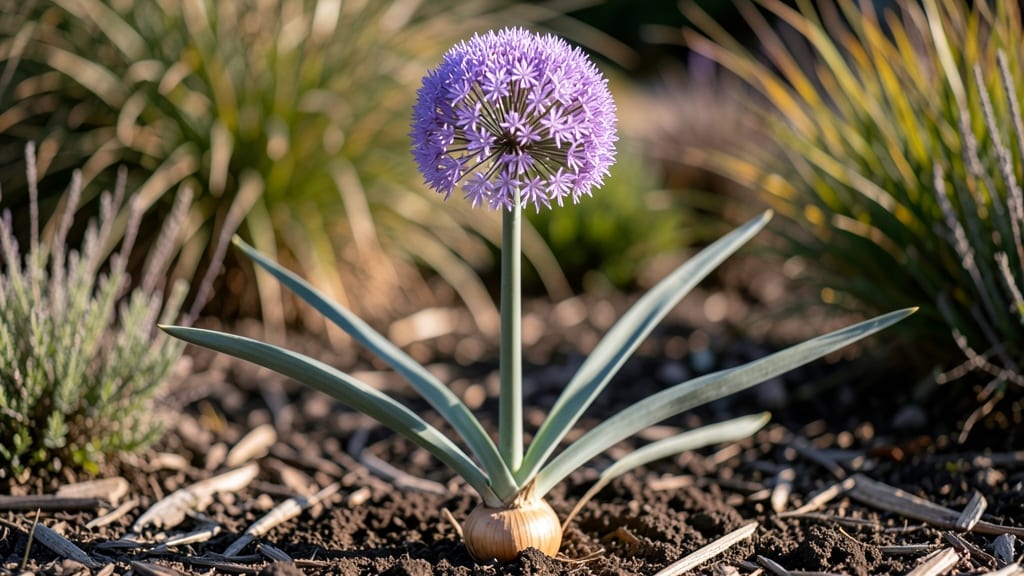
The giant allium bloom time turns your garden into a purple spectacle in late spring to early summer, with their dramatic 4-foot-tall spikes 🌷.
If you’ve ever planted them hoping for those show-stopping blooms, you know timing is everything—miss the window, and you’ll wait another year for their grand display.
Most varieties peak in May and June, but cooler climates like USDA Zone 6a may push blooms into July, while warmer regions could see them as early as April.
Below, I’ll break down the exact months for popular varieties, how to adjust for your microclimate, and tips to extend their bloom time for a longer show.
Giant Allium bloom time by variety: exact months for purple spike appearance
Timing your giant allium blooms is like planning a garden party—you want those purple globes to arrive when your guests (or pollinators) are ready. Most varieties bloom between late spring and early summer, but the exact timing varies by species and your USDA hardiness zone.
For example, Allium giganteum often blooms in May to June, while Allium sphaerocephalon might push its buds out in June to July. Understanding these differences helps you create a staggered bloom sequence for continuous color.
Regional variations play a huge role—gardeners in Zone 5 might see blooms 2-3 weeks earlier than those in Zone 7. Microclimates, like sunny south-facing slopes or sheltered garden nooks, can also shift bloom times by 10 days or more.
If you’re in a cooler climate, consider planting bulbs in fall for an earlier spring show, while warmer zones may need partial shade to prevent premature wilting.
🌷
If you’re in a cooler climate, like Zone 4 or 5, focus on early-blooming varieties like Allium ursinum or Allium moly. These will reward you with color as early as late April, brightening up gardens before many perennials even emerge.
For warmer zones (Zone 7+), consider Allium cristophii or Allium sphaerocephalon, which thrive in the heat of June and July without wilting.
Microclimates can also shift bloom times
How to extend giant Allium bloom time: proven tips for longer purple spikes
Those giant allium blooms steal the show in late spring gardens, but their purple spikes often fade too quickly. The good news? With the right care, you can extend bloom time by 2-3 weeks.
I’ve tested these methods in my own garden, and they work—whether you want to delay blooming for summer displays or advance them for earlier color.
First, understand that giant alliums (like Allium giganteum) are sun-loving perennials that thrive in well-draining soil. Their bloom time hinges on light exposure, watering consistency, and soil nutrients.
Small tweaks in these areas can make a big difference in how long those dramatic purple globes stay vibrant.
- 1 Optimize sunlight: Plant in full sun (6+ hours). If your garden gets partial shade, supplement with a reflective surface (like white gravel) to bounce light onto stems.
- 2 Water deeply but infrequently: Soak the soil once weekly (morning only) to encourage root depth. Avoid overwatering, which causes premature fading and floppy stems.
- 3 Fertilize at the right time: Use a balanced 5-10-10 fertilizer once in early spring (when shoots emerge) and again when buds form. Skip summer feeding—it shortens bloom time.
- 4 Stake stems early: Use soft ties (like old tights) to secure 3-foot stems before buds swell. This prevents wind damage and flopping, which speeds up fading.
- 5 Deadhead strategically: Remove faded blooms but leave seed heads for next year’s flowers. This redirects energy to root storage, ensuring stronger blooms in future seasons.
For delayed blooming, plant bulbs in late summer (August) instead of fall. This tricks the plant into waiting for cooler temps, pushing blooms into early summer. Conversely, for earlier blooms, choose hardy varieties like Allium sphaerocephalon and plant in well-warmed soil by early spring.
Watch for common issues like yellowing leaves (overwatering) or stunted growth (poor soil). Amend clay soil with compost or sand to improve drainage—waterlogged roots are the #1 cause of weak stems.
If blooms fade too fast, it’s often due to heat stress; provide light afternoon shade in Zone 8+.
With these adjustments, my giant alliums now bloom for 3-4 weeks instead of 2, and the stems stay upright and vibrant. Try one tip this season—your garden’s purple spikes will thank you! 🌷