
Blooming
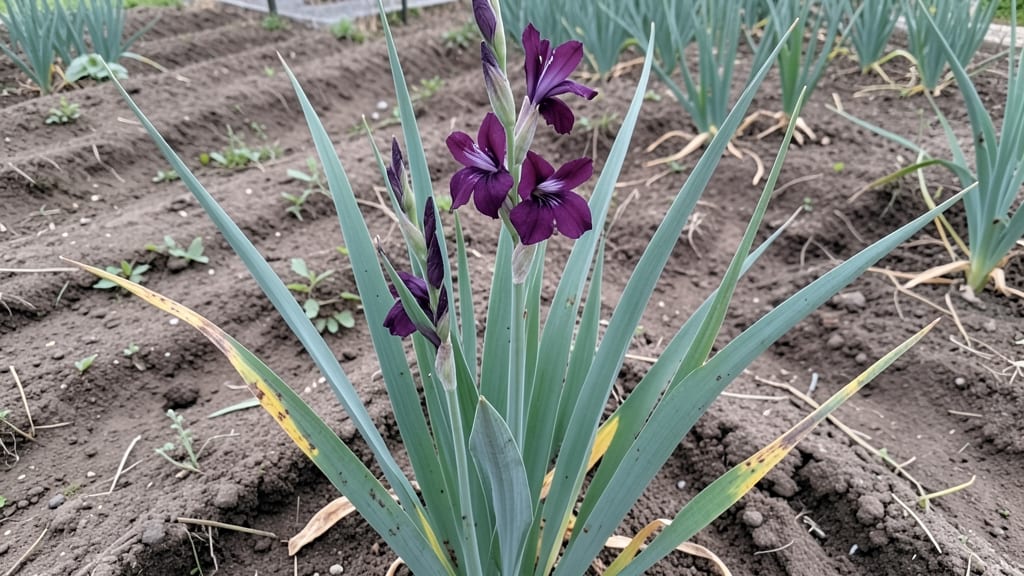
Gladiolus blooming season typically spans late summer through early fall, with peak flower displays occurring between July and September in most temperate climates. Proper planting timing and care can shift blooms slightly earlier or later depending on regional frost dates.
Gladiolus thrive on warm days and cooler nights, which is why their peak season aligns so perfectly with late summer's heat. 🌿 The right soil temperature—around 60-65°F—triggers their growth spurt, while consistent moisture keeps the corms happy without overwatering.
If you're in a cooler region, planting 6-8 weeks before your last frost date gives them time to establish roots before the heat kicks in.
What many gardeners don’t realize is that gladiolus actually prefer full sun exposure (6-8 hours daily) to bloom reliably. Without enough light, they’ll produce fewer spikes or smaller flowers.
I’ve found that adding a light layer of mulch helps maintain steady soil temps, which can push blooms into early July rather than waiting until August.
💡 In This Article
- Factors Influencing Gladiolus Bloom Timing
- Proven Techniques to Extend Gladiolus Flower Life
Factors influencing gladiolus bloom timing
Here's what's actually happening with those vibrant gladiolus spikes: their blooming windows are primarily dictated by photoperiodism—the plant's response to daylight length. Gladiolus corms need 12-14 hours of daylight to trigger flowering, which explains why they bloom later in summer when days start shortening.
The key factor is how temperature interacts with this light exposure—warmer soil (above 60°F) accelerates growth, while cooler nights help set flower buds.
Temperature plays a dual role: too hot (90°F+) can stress plants and delay blooms, while too cool (50°F) stunts growth entirely.
I've noticed in my own garden that planting depth matters too—corms buried 4-6 inches deep in well-draining soil bloom more reliably than shallow plantings, which can lead to uneven spikes. The science behind this involves how deeper planting protects corms from temperature fluctuations while maintaining consistent moisture.
What most people don't realize is that vernalization (a cold treatment) can force earlier blooms. Exposing corms to 35-40°F temperatures for 6-8 weeks before planting tricks them into thinking winter's passed, often advancing blooms by 2-3 weeks.
This technique works because it mimics the natural dormancy period gladiolus experience in their native South African habitats. For gardeners in cooler climates, this means starting corms indoors in early spring can push blooms into June instead of July.
Soil conditions create another critical variable—organic-rich, slightly acidic soil (pH 6.0-6.5) with good drainage ensures nutrients are available when needed. I've found that adding compost at planting time provides the phosphorus boost gladiolus crave for strong stems and vibrant blooms.
Poor drainage, however, leads to rot and delayed flowering, so raised beds or sandy loam work best in heavy clay regions. The right soil moisture (about 1 inch per week) keeps the corms happy without waterlogging.
Daylight hours create regional variations too—gladiolus in northern climates (like Zone 5) may bloom later than those in Zone 8 because they need more time to accumulate heat units. This is why gardeners in cooler areas often plant corms in early May while southerners might wait until June.
The magic number is typically 1,200-1,500 growing degree days (calculated as average daily temp minus 50°F) before blooms appear.
One advanced technique is using black plastic mulch—it warms soil by 5-10°F, which can push blooms into early July rather than August. The darker the mulch, the more heat it absorbs, creating a microclimate that accelerates growth.
Just be sure to remove it after blooming to prevent overheating during dormancy. This small adjustment can mean the difference between a July garden full of color and waiting until September.