
Pests
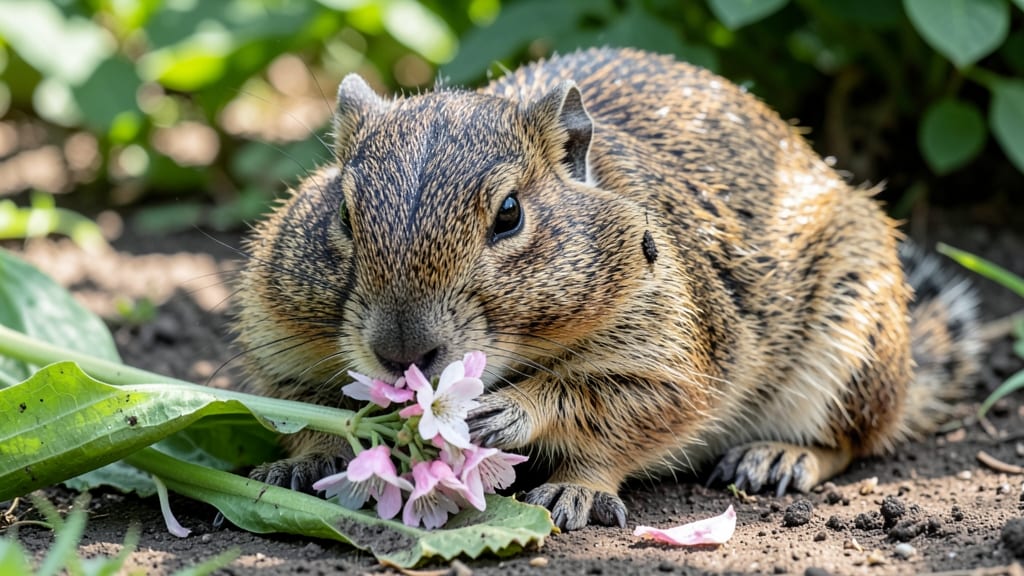
Groundhogs eating flowers isn’t just annoying—it’s a full-blown garden wrecking ball. 🌿 I’ve watched these burly rodents turn my carefully tended roses into a buffet, and I’m done letting them win. The key isn’t just scaring them off temporarily but making your garden less appealing than the meadow next door.
These critters target tender stems, blooms, and even young seedlings, especially in early spring when food is scarce. My first mistake was trying to outsmart them with flimsy chicken wire—until I learned their real weakness: a combination of physical barriers, strong scents, and removing their hiding spots.
It’s not about cruelty; it’s about outthinking them.
With the right approach, you’ll see fewer chewed petals and more blooms by midsummer. I’m talking about foolproof methods like 8-foot tall fencing buried deep, companion plants they hate (like daffodils and alliums), and motion-activated sprinklers that blast them away without harm.
The payoff? A garden that thrives instead of survives.
Works for perennials, annuals, and even vegetable patches—no matter how stubborn your groundhog problem is. Let’s get them out of your garden for good.
Root Causes Of Flower Foraging
Groundhogs—also known as woodchucks—aren’t just digging holes; they’re opportunistic eaters with a taste for fresh, tender plant material. When they start munching on your prized flowers, it’s usually due to a mix of natural instincts and environmental triggers.
Understanding these causes is the first step to protecting your garden. Here’s why it happens:
🌱 Seasonal food scarcity drives snacking
Groundhogs are herbivores, and their diet shifts with the seasons. During late winter and early spring, when natural vegetation is still sparse, they turn to gardens for easy, nutrient-rich snacks.
Flowers—especially young, tender shoots and blooms—are high in moisture and sugars, making them an irresistible treat. Pro tip: 💡 If you notice increased foraging in spring, it’s likely a sign that their usual food sources (like clover or grasses) haven’t fully emerged yet.
Additionally, groundhogs rely on stored fat reserves during hibernation, and they may overcompensate in spring by eating more than usual to rebuild energy stores. This behavior is especially common in urban or suburban areas where natural habitats have been disrupted.
🏡 Human-altered landscapes create buffet zones
When humans replace wild meadows with manicured lawns and gardens, groundhogs lose their natural foraging grounds.
Instead of grazing on dandelions or wildflowers in a field, they’re drawn to the easier pickings in your yard—like hostas, tulips, or daylilies. Key factor: 🌡️ Gardens with dense plantings (especially in early spring) act like all-you-can-eat salads for these rodents.
Another issue? Overwatering or over-fertilizing can make plants even more appealing. Soft, lush foliage is a groundhog’s dream—it’s low-effort dining. If your garden looks like a five-star restaurant to them, they’ll keep returning.
🐾 Nesting and territory marking habits
Groundhogs aren’t just eating—they’re also assessing their territory. Flowers, especially those near burrow entrances, may be trampled or nibbled as part of scent-marking behavior. Males, in particular, may damage plants to establish dominance or attract mates during breeding season (typically March–April).
If you spot chewed stems, scattered petals, or small piles of debris near burrows, this could be a sign of territorial activity rather than just hunger. Actionable tip: ✨ Place deterrents (like predator urine or motion-activated sprinklers) near burrow entrances to discourage both foraging and marking.
🌿 Plant selection: some flowers are irresistible
Not all flowers are equally tempting to groundhogs. They have a preference hierarchy based on taste, texture, and nutritional value. Here’s what makes certain plants high-risk:
| High-Risk Flowers | Why They’re Targeted |
|---|---|
| Tulips | Bulbs are starchy and easy to dig up; petals are soft and sweet. |
| Daylilies | Fleshy roots and leaves are high in moisture and carbs. |
| Hostas | Tender, broad leaves are a groundhog’s version of salad greens. |
| Daffodils | While toxic to humans, groundhogs may still nibble bulbs for their bitter taste. |
| Marigolds | Bright, fragrant blooms attract them for both food and scent-marking. |
Pro tip: 🎯 If you’re growing prized flowers, consider groundhog-proofing by choosing less palatable alternatives like lilacs, lavender, or foxgloves, which are less appealing due to their scent or texture.
By identifying which of these factors are at play in your garden, you can tailor your deterrent strategies for maximum effectiveness. Next, we’ll explore practical, humane solutions to keep these hungry visitors away for good.
Stop Groundhogs From Ruining Your Garden
If groundhogs are turning your blooming garden into a buffet, don’t panic—there are effective, humane ways to keep them away from your flowers. The key is addressing the root cause (literally!) while making your yard less appealing.
Below, we break down solutions by the most common reasons groundhogs munch on plants—and how to fix them.
🌱 Cause 1: Easy Access to Tasty Plants
Groundhogs love tender stems, bulbs, and young shoots. If your garden is a walk-in salad bar, they’ll keep coming back.
🔥 Fix: Block Their Path with Physical Barriers
- 🍳 Install Wire Mesh or Hardware Cloth Bury 12-inch-deep mesh (1/4-inch or finer) around flower beds, especially vulnerable perennials and bulbs. Groundhogs can’t dig through it! Pro tip: 💡 Bend the top outward at a 45° angle to deter climbing.
- 👨🍳 Use Raised Beds or Containers Plant high-value flowers in elevated pots or raised beds—groundhogs dislike jumping. Add a 1-foot lip to prevent them from knocking over containers.
- ⏰ Temporary Fencing (Quick Win!) A 3-foot-tall fence with outward-facing spikes (humane, not sharp) can stop them cold. Secure it tightly—groundhogs are strong diggers!
🍽️ Cause 2: Lack of Alternative Food Sources
If your yard is a flower desert, groundhogs will raid your garden out of desperation. Offer them a better snack instead!
🥘 Fix: Distract with Groundhog-Friendly Food
- 🌿 Plant a "Decoy Garden" Create a separate groundhog buffet 20+ feet from your flowers using:
- Leafy greens (lettuce, spinach, kale)
- Clover or alfalfa (their favorite!)
- Corn or sunflower seeds (scatter a few ears of corn nearby)
- 🎯 Set Up a Feeder Station Place a metal or heavy-duty plastic tray filled with veggie scraps (carrot tops, broccoli stems) in a corner of your yard. Move it weekly to keep them occupied.
- ✨ Avoid Over-Fertilizing Warning: 🌡️ Rich, nitrogen-heavy soil makes plants more attractive to groundhogs. Use balanced, slow-release fertilizer and mulch lightly.
🕵️ Cause 3: Shelter or Nesting Opportunities
Groundhogs dig burrows for safety and breeding. If your yard has hidden dens, they’ll stick around to protect their territory—and your flowers.
🔪 Fix: Remove Hiding Spots & Disrupt Burrows
- 🏗️ Fill or Seal Existing Burrows If you spot fresh diggings, partially fill the hole with rocks or gravel (leave an opening for them to escape—trapping them is illegal!). Cover with soil and mark the spot to avoid future digging.
- 🌡️ Make Your Yard Less Inviting
- 💡 Trim brush and tall grass near flower beds (groundhogs use cover to sneak in).
- ✨ Add motion-activated sprinklers (like ScareCrow)—the sudden spray startles them away.
- 🎯 Use predator urine (fox or coyote) around the perimeter. Spray it on plants and burrow entrances (reapply every 2–3 weeks).
🚨 Cause 4: They’re Used to Human Food
If groundhogs associate your yard with easy meals (like fallen fruit or pet food), they’ll keep returning.
🍎 Fix: Remove Food Incentives
- 🗑️ Secure Trash & Compost Use bear-proof bins> or lock lids tightly. Avoid leaving any organic waste (even citrus peels) outside.
- 🐕 Supervise Pet Food Feed pets indoors or clean bowls immediately. Groundhogs have sharp memories—they’ll remember where food appears!
- 🌿 Pick Up Fallen Fruit/Vegetables Drop a single apple core? Groundhogs will find it. Rake up debris daily during peak growing seasons.
🌟 Prevention Tips for Long-Term Peace
Once you’ve addressed the immediate problem, lock in your defenses with these habits:
- 💡 Rotate deterrents—groundhogs get used to one method. Switch between sprays, barriers, and decoys every few weeks.
- 🌡️ Plant groundhog-resistant flowers like daffodils, alliums, or lavender—their strong scents repel them.
- ⏰ Monitor at dusk/dawn—that’s when they’re most active. Set up a trail camera to catch them in the act!
- ✨ Encourage natural predators—attract owls or snakes by leaving brush piles (far from your garden) or installing a bat house.
Groundhogs aren’t evil—they’re just opportunistic snackers. With the right mix of barriers, distractions, and yard maintenance, you can outsmart them and keep your flowers thriving. 🌸
Frequently asked questions
Why do groundhogs specifically target flowers instead of other plants?
Groundhogs prefer flowers because they’re often tender, high in moisture, and packed with sugars—like a buffet for these critters! Their favorite targets include tulips, daylilies, and hostas, which are soft and easy to munch. Unlike tougher perennials, flowers provide quick, nutrient-rich snacks, making them irresistible during early spring when natural food is scarce.
How deep should I bury wire mesh to stop groundhogs from digging underneath?
For maximum effectiveness, bury 12-inch-deep hardware cloth or wire mesh (no larger than ¼-inch spacing) around your flower beds. Groundhogs are strong diggers, so deeper burial prevents them from tunneling underneath. Pro tip: Bend the top outward at a 45° angle to deter climbing!
Are there certain flowers groundhogs naturally avoid?
Yes! Groundhogs tend to steer clear of plants with strong scents or bitter tastes, like daffodils, alliums, and lavender. These flowers’ natural defenses make them less appealing. Pairing them with your prized blooms can create a groundhog-resistant zone in your garden.
Will motion-activated sprinklers really work to scare groundhogs away?
Sudden water blasts from sprinklers like ScareCrow startle groundhogs and disrupt their foraging habits. They associate the spray with danger and avoid the area. Test it at dusk or dawn—their peak activity times—for best results.
Is it safe to use predator urine around my garden?
Yes, but use it strategically. Predator urine (fox or coyote) is safe when applied to plants and burrow entrances, but avoid spraying directly on flowers. Reapply every 2–3 weeks since its scent fades. Always test a small area first to ensure it doesn’t harm your plants.