
Shrubs
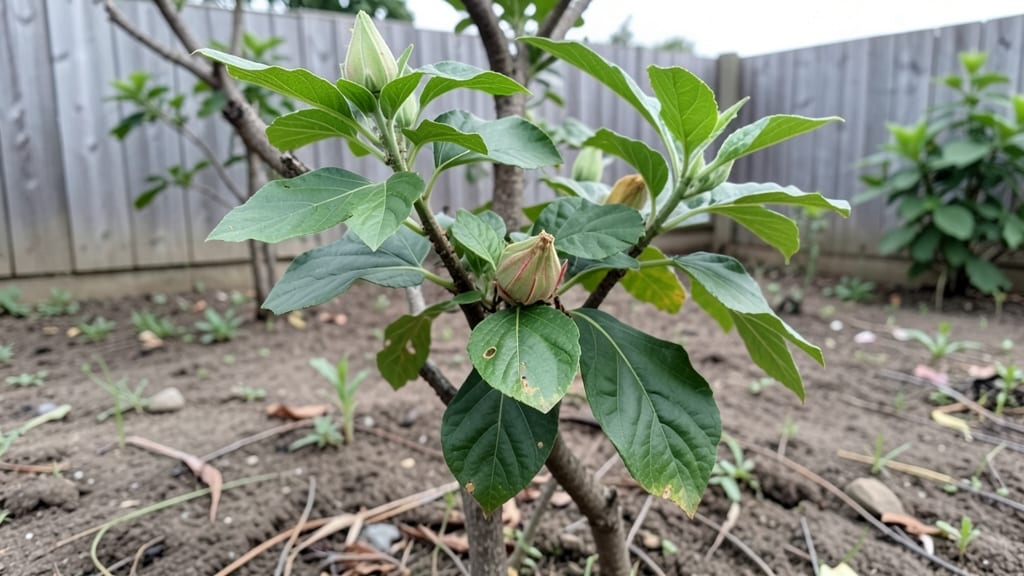
Pruning hibiscus before blooming is the secret to bigger, brighter flowers—a step most gardeners skip, leaving their plants underperforming.
Your 🌸 hibiscus could be hiding its full potential—before those stunning blooms even appear, pruning can transform it into a vibrant, high-yielding beauty. The right cuts now mean stronger stems, more buds, and showstopping blooms later.
Timing matters: late winter or early spring is ideal, just as new growth begins. But it’s not just about cutting—where and how you prune determines whether your hibiscus will reward you with abundant color or sparse, weak flowers.
In this guide, I’ll walk you through the exact techniques—from tool prep to post-pruning care—to set your hibiscus up for a showstopping summer display.
When and how to prune hibiscus before blooming for maximum flower impact
Pruning your hibiscus before blooming isn't just about shaping—it's a growth hack to trigger bigger, brighter flowers. The key lies in late winter or early spring, when your plant starts waking from dormancy but hasn't yet formed buds.
This timing lets you redirect energy to stronger stems and more buds, not just foliage. Think of it as giving your plant a fresh start before the blooming rush begins.
Most gardeners wait until after blooming to prune, but that's like skipping the foundation of a house. By pruning before those showstopper blooms appear, you're actually boosting their potential. The science is simple: selective cutting removes weak growth while encouraging thicker, more vibrant stems that support larger flowers.
It's how you turn a mediocre bush into a flower powerhouse.
| Pruning Method | Best For | When to Do It | Expected Result |
|---|---|---|---|
| Selective Cutting | Removing 1/3 of weak stems | Late winter (Feb-Mar) | Stronger stems, more buds |
| Shape Adjustment | Opening center for airflow | Early spring (Apr) | Better light penetration |
| Deadheading Prep | Trimming spent blooms' stems | Late winter (Feb) | Encourages new blooms |
| Rejuvenation Prune | Cutting back 1/2 of plant | Early spring (Mar) | Fuller, bushier growth |
Start by identifying weak or crossing branches—these are your first targets. Look for stems that are thinner than a pencil or growing inward. These branches compete for nutrients and often produce smaller, weaker blooms.
Use clean, sharp bypass pruners to make 45-degree cuts just above a leaf node or outward-facing bud. This angle helps water runoff and reduces disease risk.
Never remove more than 1/3 of the plant's foliage in one session, or you'll shock the hibiscus into stress mode. Instead, spread cuts over 2-3 weeks in late winter. Focus on opening the center of the plant—this improves air circulation and sunlight penetration, both critical for vibrant blooms.
Imagine your hibiscus as a sunbathing lizard: it needs space to soak up rays.
Pro tip: Prune in the morning when the plant is hydrated and wounds can seal quickly. Avoid cutting into woody stems thicker than 1/2 inch—these won't regenerate well.
Instead, focus on green, flexible growth that responds best to pruning. Think of it like haircutting: you want to shape, not butcher.
After pruning, give your hibiscus a light fertilizer boost with a balanced 10-10-10 NPK mix. This helps kickstart new growth without overwhelming the plant. Water deeply before and after pruning to reduce stress. Within 4-6 weeks, you'll see fresh, vigorous shoots forming—these are your future bloom producers.
Watch for new leaf growth as your cue for success. Healthy leaves mean your hibiscus is redirecting energy where you want it—toward stronger stems and bigger buds. By late spring, your plant should be bursting with energy, setting the stage for showstopping summer blooms.
The key is patience: what seems like harsh cuts now will pay off in dramatic floral displays later.
If you're unsure where to cut, look for leaf scars or buds along the stem. These are your growth signals. Always cut just above a bud or leaf node to encourage outward growth.
Avoid topping (cutting the very top), as this can lead to weak, leggy growth and fewer blooms. Think of each cut as a brushstroke shaping your plant's future.
For tropical hibiscus varieties, you can prune slightly later in early spring (March-April
5 Common pruning mistakes that kill hibiscus blooms before they appear
Pruning your hibiscus before blooming is a game-changer for bigger, brighter flowers, but even small mistakes can stunt growth or eliminate buds entirely. Many gardeners accidentally over-prune or cut at the wrong time, leaving their plants weak and flowerless.
Understanding these critical errors will help you avoid them and unlock your hibiscus's full potential.
One of the biggest missteps is pruning too late in the season. If you wait until summer or fall, your hibiscus won’t have enough time to recover and produce new growth before dormancy.
The ideal window is late winter or early spring, just as new shoots begin to emerge. This timing ensures your plant has the entire growing season to regenerate and set buds for vibrant blooms.
⚠️
- Over-pruning: Cutting more than 1/3 of the plant weakens its ability to photosynthesize and produce flowers.
- Wrong cuts: Jagged or straight-across cuts invite disease and stunt new growth.
- Ignoring season: Pruning in fall or winter forces the plant into dormancy before recovery.
Fix these errors now to boost blooms next season!
Another frequent mistake is cutting at the wrong angle. Always make a 45-degree angle just above a leaf node or bud. Straight cuts leave a flat surface that traps moisture and invites rot or fungal infections.
Use sharp, clean bypass pruners to make precise cuts that heal quickly and encourage healthier regrowth.
Many gardeners also prune dead or diseased branches too late. If you wait until spring blooming season, you risk removing potential flower buds along with the damaged wood.
Instead, remove dead branches in late winter while the plant is still dormant. This clears space for new growth and reduces stress on the plant before blooming.
Ignoring the shape of your hibiscus is another silent killer of blooms. A top-heavy or uneven shape can overwhelm the root system, leading to fewer flowers and weaker stems.
Aim for a balanced, open center to allow maximum sunlight penetration and air circulation. This simple adjustment can double your flower production in just one season.
Finally, skipping post-pruning care can undo all your hard work. After pruning, apply a balanced fertilizer (like 10-10-10) and water deeply to help the plant recover. Mulch around the base to retain moisture and protect roots from temperature swings.
These steps ensure your hibiscus bounces back stronger and prepares for explosive blooming.
By avoiding these common pruning mistakes, you’ll give your hibiscus the best chance to thrive before blooming. Start with timely, precise cuts, prioritize plant health, and watch your garden burst with color next season! 🌸