
Shrubs
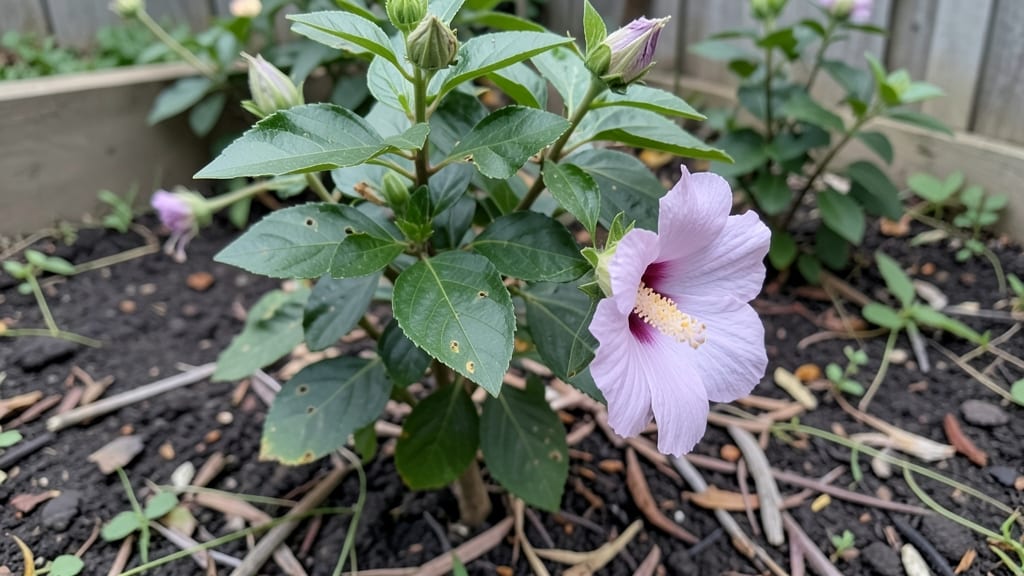
The stages of hibiscus blooming 🌸 reveal more than just beauty—they signal your plant’s health, care needs, and even the season ahead.
Watching your hibiscus bloom is like witnessing nature’s own fireworks—but did you know each vibrant color and stage reveals critical clues about your plant’s health, care needs, and even the season? From delicate buds to fading petals, every phase tells a story.
Understanding these stages helps you time pruning, adjust fertilization, and troubleshoot issues before they become serious. Whether you’re in Zone 6 or beyond, knowing what to expect at each step means more blooms and a happier plant.
Below, I’ll walk you through the full cycle—from tight buds to spent flowers—so you can support each stage and keep your hibiscus thriving all season long.
The 5 hibiscus blooming stages: visual guide to buds, flowers, and fading
Hibiscus plants follow a predictable 5-stage blooming cycle, each revealing critical insights about your plant’s health and care needs. Recognizing these stages helps you time pruning, adjust fertilization, and troubleshoot issues before they escalate.
For example, a stunted bud stage might signal nutrient deficiencies, while wilting petals could mean overwatering or stress.
From the first bud formation to the final spent flower, each phase lasts 7-14 days depending on variety and conditions. Tropical hibiscus like Hibiscus rosa-sinensis bloom faster, while hardy varieties may take longer.
Understanding these stages ensures you provide the right support at the right time for continuous blooms all season.
Below is a visual guide to help you identify each stage and what it means for your plant’s growth, pollination success, and overall vitality. Use this as your checklist to keep your hibiscus thriving from spring through fall.
🌱
The bud formation stage is your first clue that your hibiscus is thriving. During this phase, your plant is directing energy toward growth, so ensure it receives 6+ hours of sunlight daily and balanced fertilizer (like a 10-10-10 NPK blend).
If buds appear small or green, your plant may need more phosphorus—try a bone meal supplement to encourage flowering.
When buds transition to color development, you’ll notice a shift from green to vibrant hues like red, pink, or yellow. This is when pollinators like bees and butterflies are most active.
To support them, avoid pesticides during this stage and consider adding a small water source nearby to attract more visitors.
The full bloom stage is the showstopper—your hibiscus’s petals unfurl to their full glory, often lasting just 1-2 days. This is the best time to capture photos or enjoy their beauty!
If blooms appear dull or small, your plant might need more potassium (try a banana peel tea fertilizer) or better drainage.
As petals begin to wilt, it’s time to act. Remove spent blooms by pinching them off at the base to encourage new buds. This practice, called deadheading, redirects the plant’s energy from seed production back to flowering. Pro tip: Use clean, sharp pruning shears to avoid damaging stems.
The final stage, seed pod formation, marks the end of the bloom cycle. While you might be tempted to leave these pods for seeds, pruning them after they dry helps keep your hibiscus tidy and encourages more blooms.
If you’re growing hibiscus for cut flowers, harvest blooms at the full bloom stage for the longest vase life.
🌷
What hibiscus flower colors reveal about your plant’s health and care needs
Your hibiscus blooms aren’t just beautiful—they’re a direct message from your plant about its health. Each color, from deep red to pale yellow, signals nutrient levels, soil pH, and even seasonal changes.
For example, a bright red hibiscus often thrives in slightly acidic soil (pH 6.0-6.5), while yellow blooms may warn of overwatering or nitrogen excess. Understanding these cues lets you adjust care precisely to keep your plant blooming continuously.
Seasonal shifts also play a role: pink hibiscus often appear in spring as new growth begins, while white varieties may dominate in cooler fall months. Even orange hibiscus can indicate stress—sometimes a sign your plant needs more phosphorus or better drainage.
By learning to "read" these colors, you’ll catch problems early and create the perfect conditions for vibrant, long-lasting blooms.
🌸
Hibiscus Bloom Colors & What They Mean
Red Blooms
- ✅ Healthy in acidic soil (pH 6.0-6.5)
- ✅ Thriving with balanced nutrients
- ✅ Peak season in summer
Pink Blooms
- ✅ Neutral pH (6.5-7.0 preferred)
- ✅ Spring transition color
- ✅ Moderate water needs
Yellow Blooms
- ⚠️ Warning of overwatering
- ⚠️ Nitrogen excess or poor drainage
- ⚠️ Stress from heat or drought
White Blooms
- ✅ Alkaline soil (pH 7.0+)
- ✅ Cooler seasons (fall/winter)
- ✅ Low nutrient tolerance
Orange Blooms
- ⚠️ Phosphorus deficiency
- ⚠️ Poor drainage issues
- ⚠️ Pest stress (aphids, mites)