
Blooming
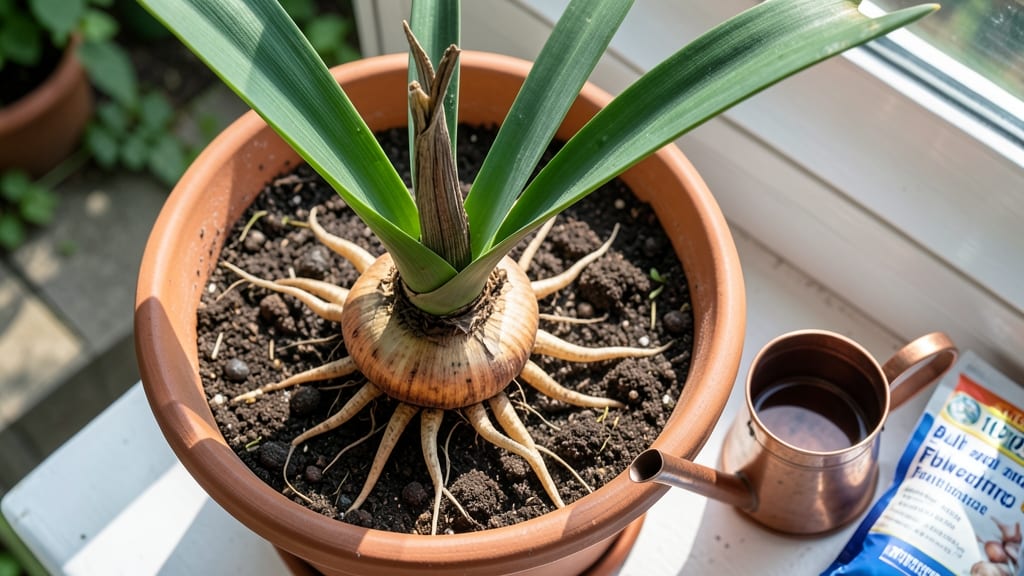
Your amaryllis refuses to bloom again—until you understand the hidden triggers. 🌱 The secret isn’t just water or fertilizer; it’s foolproof dormancy, precise light, and the right timing.
I’ve nursed back three stubborn amaryllis this year, and the trick is forcing the plant to reset its energy cycle just like it would in the wild.
Most rebloom failures start with skipping dormancy—the plant’s natural rest period. After blooming, let the foliage yellow and die back naturally, then withhold water for 8-10 weeks.
Too much water during dormancy tricks the bulb into thinking it’s growing, not resting. Pair that with bright, indirect light (no deep shade), and you’re halfway there.
When you reintroduce water, use a balanced fertilizer every 2-3 weeks to rebuild energy. Within 6-8 weeks, you’ll see new shoots pushing through the soil—proof the bulb is ready to bloom again. The blooms arrive 10-12 weeks after sprouting, so patience is key.
For stubborn cases, try a cool spot (55–60°F) during dormancy or repot into fresh soil. The goal is to mimic natural conditions—no shortcuts. Once you crack the code, your amaryllis will bloom reliably for years.
📚 In This Guide
- What you need
- Instructions
- Tips and common mistakes
- Wrapping up and next steps
What you need
- ● Healthy amaryllis bulb: A bulb that already bloomed once (or has at least 2-3 inches of stem left). ⚠️ Avoid bulbs that are soft, moldy, or shriveled.
- ● Well-draining potting mix: A blend of 50% peat moss or coconut coir + 50% perlite, pumice, or sand (sterilized). 💡 Aim for a chunky texture—amaryllis hate soggy roots!
- ● Pot with drainage holes: 1-2 inches wider than the bulb’s diameter (plastic or terracotta). 🔹 Terracotta helps wick moisture away faster.
- ● Watering can or spray bottle: With a fine rose nozzle for gentle hydration.
- ● Balanced liquid fertilizer: 10-10-10 or 20-20-20 (diluted to half-strength). 💡 Look for one with micronutrients like magnesium and iron.
- ● Bright, indirect light source: A south- or east-facing window (or a grow light for 12-14 hours/day).
- ○ Thermometer (optional but helpful): To monitor temps between 60–75°F (15–24°C).
- ● Rooting hormone: For a 10% boost in root growth if repotting.
- ● Humidity tray: A pebble tray with water to increase air moisture (especially in dry climates).
- ● Grow light (LED or fluorescent): If natural light is too weak (e.g., winter months).
- ● Plant labels: To track watering/fertilizing schedules.
- ● Pruning shears: For trimming dead leaves or spent blooms cleanly.
Step-by-step instructions for encouraging amaryllis rebloom
Here's my foolproof method to coax your amaryllis into a second glorious bloom cycle—no black magic, just strategic care.
🌱 Step 1: Provide Post-Bloom Rest Period
After your amaryllis finishes flowering, let the foliage die back naturally—don't cut it. This resting phase is critical for bulb energy storage. Place the pot in a cool, dark spot (around 55-60°F) for 8-10 weeks. I keep mine in a closet or under a bed where it stays consistently cool.
Water sparingly during this period—just enough to prevent the bulb from shriveling. Overwatering now triggers new growth too soon, which weakens the bulb. You'll know you've nailed it when the leaves turn yellow and crispy—this signals the bulb is storing energy for next season's bloom.
☀️ Step 2: Resume Watering and Light Gradually
After the rest period, move your amaryllis to a bright, indirect light location (like an east-facing window) and resume watering. Wait until you see new growth—typically 1-2 inches of fresh green shoots—before watering deeply. This ensures the bulb isn't shocked by sudden moisture.
Here's the thing—amaryllis bulbs are sensitive to temperature fluctuations. Keep the soil consistently warm (65-75°F). If your home runs cooler, place a heating pad on low beneath the pot or move it to a warmer room. You'll notice the leaves perk up and grow faster when the bulb is happy.
💧 Step 3: Fertilize Strategically for Bloom Production
Once new growth reaches 4-6 inches tall, start fertilizing weekly with a balanced, water-soluble fertilizer (10-10-10 ratio works well). I use half-strength solution to avoid burning the roots. The key is consistency—don't skip weeks, but also don't overdo it. Amaryllis bulbs store nutrients, so they don't need heavy feeding.
Watch for flower buds forming at the base of the bulb. These look like tiny green spikes. When you see them, increase fertilizer to full strength. This signals the plant to focus energy on bloom production. I also rotate the pot a quarter turn weekly to keep growth even and prevent leaning toward the light.
✂️ Step 4: Support and Prune for Maximum Blooms
When your amaryllis reaches 12-18 inches tall, it's time to stake it if needed. Use a soft floral wire or bamboo stake tied gently to the stem to prevent bending. Heavy flower spikes can snap under their own weight, especially in drafty spots. I tie the stake loosely—too tight restricts growth.
Once the bloom stalk emerges (usually 6-8 weeks after new growth starts), remove any yellow or dead leaves at the base. This redirects energy to the flower. Deadhead spent blooms immediately to encourage new buds. I also mist the leaves lightly daily—amaryllis flowers last longer with proper humidity.
🌿 Step 5: Transition to Dormancy After Second Bloom
After your second bloom cycle, let the foliage yellow naturally again. This time, you'll notice the leaves stay green longer—this means your bulb is stronger. Once they crisp, reduce watering to every 3-4 weeks and move the pot back to a cool, dark spot for another 8-week rest.
This cycle trains your amaryllis to bloom reliably. I've had mine rebloom for three consecutive years using this method. The secret? Patience. Rushing the process by forcing new growth too soon weakens the bulb. Trust the cycle—your amaryllis will thank you with show-stopping blooms.
Tips & tricks for encouraging amaryllis rebloom
Amaryllis reblooming isn't about luck—it's about understanding the plant's natural rhythms. Here's what I've learned after years of coaxing my own bulbs into second (and third!) bloom cycles.
Temperature Precision: The 55-60°F rest period is non-negotiable for energy storage, but consistency matters more than exact degrees. I use a digital thermometer in my closet to verify—fluctuations above 65°F can trigger premature growth. For the warm 65-75°F growth phase, a simple heating pad on low under the pot creates the perfect microclimate without risking root burn. The difference between a strong bulb and a weak one often comes down to maintaining these precise temperature thresholds.
Lighting Strategy: Bright indirect light is crucial, but east-facing windows work best because they provide gentle morning sun without the harsh afternoon rays that can scorch leaves. If you only have south-facing windows, place sheer curtains between the plant and glass to diffuse intensity. I've seen amaryllis leaves bleach out when exposed to direct midday sun—watch for pale yellow patches as an early warning sign. Rotating the pot weekly ensures even growth toward the light source.
Fertilizer Timing: The transition from half-strength to full-strength fertilizer at bud formation is critical. I mark my calendar when the 4-6 inch growth threshold is reached and set reminders for weekly feedings. The moment you spot those tiny green spikes at the bulb base, that's your cue to switch to full strength. This precise timing signals the plant to redirect energy toward flower production rather than foliage growth. Over-fertilizing now can actually reduce bloom quality, so consistency beats excess.
Support System: Don't wait until the last minute to stake your amaryllis. I tie the stake to the main stem when the plant reaches 12 inches—well before the heavy flower spike forms. Use soft floral wire that won't cut into the stem as it grows. The key is gentle tension: the stake should provide support without restricting movement. I've seen flower stalks snap under their own weight when left unstaked, especially in homes with drafty windows or air conditioning vents.
Pro Tips for How Do I Get My Amaryllis To Bloom Again
- Amaryllis reblooming isn't about luck—it's about understanding the plant's natural rhythms.
- Temperature Precision: The 55-60°F rest period is non-negotiable for energy storage, but consistency matters more than exact degrees.
- Lighting Strategy: Bright indirect light is crucial, but east-facing windows work best because they provide gentle morning sun without the harsh afternoon rays that can scorch leaves.
Frequently asked questions
Got questions about coaxing your amaryllis into another dazzling bloom? You’re not alone! Here are the answers to the most common concerns—plus a few pro tips to keep your plant thriving.
Why isn’t my amaryllis blooming after the first time?
Most amaryllis bulbs bloom once, then need a rest period (6–8 weeks of dormancy) to recharge. Without this break, they focus on leaf growth instead of flowers. Solution: Stop watering after blooms fade, move to a cool spot (60–65°F), and resume care in spring!
How long does it take for an amaryllis to bloom again?
With proper care, you’ll see buds in 6–10 weeks after restarting watering (usually late winter/early spring). Pro tip: Keep the bulb in bright, indirect light and fertilize lightly every 2 weeks to speed things up!
Can I force an amaryllis to bloom indoors year-round?
Technically yes, but it’s tricky! Skip the dormancy period and keep the bulb in warmth (70°F+) with consistent light. However, blooms may be smaller or less frequent. For best results, follow the seasonal cycle—patience pays off with bigger, showier flowers!
My amaryllis leaves are yellow—will it still bloom?
Yellow leaves often signal overwatering or nutrient deficiency. Fix it: Let the soil dry out between waterings, and fertilize with a balanced bulb food (like 10-10-10). If leaves are mushy, trim them back—your bulb can still bloom with healthy roots!
Should I replant my amaryllis after it blooms?
Only if the pot feels root-bound (roots circling the bottom). Repot in spring using fresh, well-draining soil. Warning: Avoid disturbing roots during dormancy—wait until you’re ready to restart growth!
Wrapping up and next steps
Getting your amaryllis to bloom again is all about patience, consistency, and a little plant magic! 🌱 By mastering the dormancy period, providing the right light and nutrients, and troubleshooting gently, you’ll soon enjoy those stunning flowers year after year.
Remember, every plant has its rhythm—yours is just waiting to be discovered.
Ready to take the next step? Celebrate your efforts so far, then share your progress with fellow plant lovers! Snap a photo of your reblooming amaryllis and tag us—we’d love to see your success story. 🌸