
Blooming
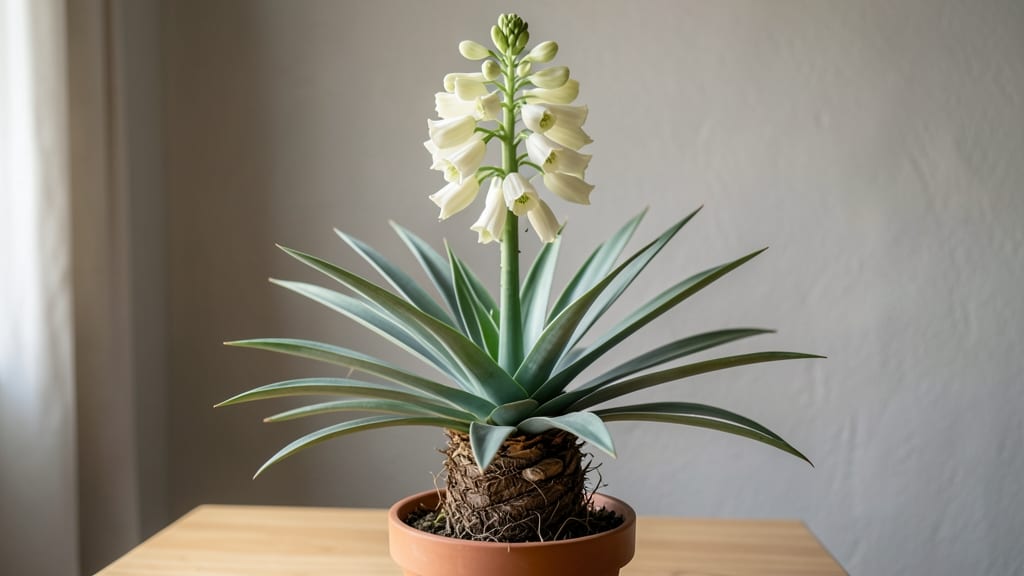
That leafless stalk shooting up from your yucca isn't just random growth—it's your plant's one shot at dramatic blooms. ✨ I've watched my own yucca go from stubbornly bare to covered in starry white flowers by mastering the pruning timing, and it's the secret most gardeners miss.
The key is cutting back after blooms fade but before new growth starts—usually late winter or early spring. You're not just trimming; you're telling the plant it's time to focus energy on roots and new shoots. Too early, and you cut off next year's potential blooms.
Too late, and you risk disease from old stalk residue. What you'll end up with is a yucca that blooms reliably every 2-3 years instead of sporadically. The stalks stay cleaner, new growth emerges faster, and your plant looks fuller year-round.
That first flush of fresh green shoots in spring makes all the careful pruning worth it. Works for all yucca varieties, from the classic Yucca elephantipes to the smaller Yucca rostrata. Here's exactly when and how to make the cut—no more guessing games.
📚 In This Guide
- What you need
- Instructions
- Tips and common mistakes
- Wrapping up and next steps
What you need
- ● Pruning shears or sharp bypass pruners – Clean, sterilized, and sharp (1 pair). Avoid dull tools to prevent tearing.
- ● Rubbing alcohol (70% isopropyl) or bleach solution – For sterilizing tools (small bottle or spray).
- ○ Garden gloves – Optional but recommended for protection (1 pair, cut-resistant if preferred).
- ○ Horticultural sealant (optional) – Pruning wax or tree paint (small jar, 4 oz). Helps prevent disease entry.
- ● Mature yucca plant – At least 3–5 years old with a healthy bloom stalk (1–3 feet tall). Younger plants may not rebloom.
- ● Sunlight access – Full sun (6+ hours/day) for at least 6 weeks post-pruning.
- ● Well-draining soil – Ensure your yucca is in sandy or gritty soil to avoid rot.
- ● Patience & timing – Prune after the bloom stalk dies back (late fall/winter for best results).
- ● 🌡️ Check temps! Prune when nighttime temps stay above 50°F (10°C) to avoid stressing the plant.
- ○ ✨ Fertilizer boost (optional) – Add a balanced, slow-release fertilizer (10-10-10) 4–6 weeks post-pruning.
Step-by-step guide to pruning yucca bloom stalks
Here's how to encourage bold, healthy regrowth after your yucca blooms—no guesswork involved.
✂️ Step 1: Wait for Bloom to Fully Die Back
Don't cut too soon. After your yucca's dramatic 6-foot-tall bloom stalk finishes flowering, wait until it turns completely brown and crispy. This usually takes 4-6 weeks after the last flower fades. You'll know it's ready when the stalk feels dry and brittle—snapping it should break cleanly rather than bending.
I always check by gently tugging at the base. If it pulls away easily, it's safe to remove. Cutting too early stresses the plant and can lead to weak regrowth. If you're unsure, wait another week—yuccas are tough and won't mind.
🌱 Step 2: Cut at the Right Angle and Height
Use clean, sharp pruners or shears to make your cut. Angle the blade slightly downward at a 45-degree angle, about ½ inch above the ground. This prevents water from pooling at the cut site and reduces rot risk. Never leave a stub—always cut flush to the base or slightly above it.
Here's the thing—yuccas store energy in their thick roots. Cutting too high removes valuable growth points. If you accidentally cut too far up, don't panic. The plant will still recover, but it may take longer to produce a new stalk.
💧 Step 3: Water and Fertilize for New Growth
After pruning, give your yucca a deep watering to help it recover. Yuccas are drought-tolerant, but they need moisture to push out new growth. Water until it drains through the bottom of the pot or soil, then let it dry out before watering again. Overwatering now is the fastest way to invite root rot.
Feed with a balanced, slow-release fertilizer (10-10-10 works well) about 4-6 weeks after pruning. You'll see new growth emerge from the base in 6-8 weeks—look for small, pointed leaves pushing through the soil. If nothing appears after 10 weeks, check for root rot by gently lifting the plant.
☀️ Step 4: Provide Optimal Light for Recovery
Yuccas thrive in full sun (6+ hours daily), but they need a little protection during the first month after pruning. Move your plant to a spot with morning sun and afternoon shade if it's in a hot climate. Too much direct sun right after cutting stresses the plant and can scorch new growth.
Watch for yellowing leaves—they're a sign of either too much sun or not enough water. If you see this, adjust the plant's position. Strong, healthy regrowth should have deep green, stiff leaves that stand upright. If leaves appear weak or floppy, increase sunlight gradually over a week.
⏰ Step 5: Monitor for New Stalk Formation
New growth starts as a small, tight cluster of leaves at the plant's base. In 3-4 months, this will develop into a new bloom stalk. Don't rush this process—yuccas grow slowly but steadily. If your plant produces multiple offsets (pups) instead of a single stalk, you can separate and replant them for more plants.
Here's what I do: I mark the date when I prune and track progress weekly. If the plant shows no new growth after 6 months, it might need repotting or a different location. Yuccas are resilient, but they do need the right conditions to thrive.
Tips & tricks for pruning yucca bloom stalks
Yucca plants reward patience—here's how to avoid common mistakes that stall regrowth.
Timing is Everything: The 4-6 week wait for the bloom stalk to fully die back is non-negotiable. I've seen impatient gardeners cut too soon and end up with weak, stunted regrowth. Test for readiness by gently tugging—the stalk should pull away cleanly like dry kindling. If it resists, wait another week. This step ensures your yucca has fully redirected its energy to the roots.
Cutting Technique Matters: That 45-degree angle isn't just for looks—it creates a drainage channel that prevents water from pooling at the cut site. I always use sterilized pruners to make clean cuts exactly ½ inch above ground level. Pro tip: If you accidentally cut too high, don't panic—the plant will still recover, but it may take 2-3 extra months before you see new growth. The key is removing just enough to stimulate new shoots without damaging the growth points.
Recovery Phase Secrets: After pruning, the first month is critical. I've found that providing morning sun with afternoon shade during this period prevents stress-related yellowing. Watch for new growth emerging as tight clusters of leaves at the base—this usually appears within 6-8 weeks. If you see yellowing leaves during this time, it's often a sign of either too much direct sun or inconsistent watering. The goal is consistent moisture without soggy soil.
Long-Term Monitoring: Mark your calendar when you prune—this helps track progress accurately. Most yuccas show new stalk formation within 3-4 months, but some may take up to 6 months, especially if they're established plants. If you notice multiple offsets (pups) forming instead of a single stalk, you can gently separate and replant them for additional plants. This is actually a good sign of a healthy, vigorous yucca!
Pro Tips for Yucca Plant Bloom Stalk
- Yucca plants reward patience—here's how to avoid common mistakes that stall regrowth.
- Timing is Everything: The 4-6 week wait for the bloom stalk to fully die back is non-negotiable.
- Cutting Technique Matters: That 45-degree angle isn't just for looks—it creates a drainage channel that prevents water from pooling at the cut site.
Frequently asked questions
Got questions about your yucca plant’s bloom stalk? You’re not alone!
Here are the most common concerns—plus quick fixes—so you can keep your yucca thriving and blooming like a pro.
When should I prune the bloom stalk after flowering?
Prune the dead bloom stalk only after it turns brown and crispy—usually 2–4 weeks post-bloom. Cut it back to the base or 1–2 inches above the rosette. Never prune a green stalk, as this can stress the plant and delay regrowth.
Can I force a second bloom stalk in the same year?
Yuccas are perennial bloomers, but forcing a second stalk in one year is tricky. Focus on plant health first: ensure full sun, well-draining soil, and balanced fertilizer (low nitrogen). If your yucca is mature and vigorous, it might produce a second stalk later in the season—but don’t rush it!
What if my yucca stalk doesn’t bloom at all?
No bloom? Check these fixes:
- Age: Yuccas often bloom only after 3–5 years of growth.
- Sunlight: Ensure 6+ hours of direct sun daily—shady spots = no blooms.
- Stress: Overwatering or poor drainage can halt flowering. Let soil dry completely between waterings.
How do I know if I’ve pruned too much?
You’ve over-pruned if:
- The plant looks leggy or sparse after cutting.
- New growth is slow or nonexistent for months.
- Leaves turn yellow or mushy (signs of shock).
Are there alternatives to pruning for second growth?
If you’re hesitant about pruning, try these low-risk methods:
- Divide the plant: Split mature clumps in spring (when new shoots appear) to propagate and refresh growth.
- Repot: Move to a slightly larger pot with fresh, gritty soil to stimulate roots and new shoots.
- Fertilize: Use a phosphorus-rich fertilizer (like 5-10-10) in early spring to encourage blooming and regrowth.
Wrapping up and next steps
Watching your yucca plant bloom stalk thrive is incredibly rewarding! With the right pruning techniques—like trimming spent blooms, encouraging new growth, and maintaining proper care—you can coax your plant into producing stunning second blooms.
Remember, patience and consistency are key, and soon your yucca will be a showstopper in your garden or home. 🌿✨
Ready to take the next step? Experiment with different pruning times or share your progress with fellow plant enthusiasts for extra tips and inspiration. Happy gardening!