
Flowers
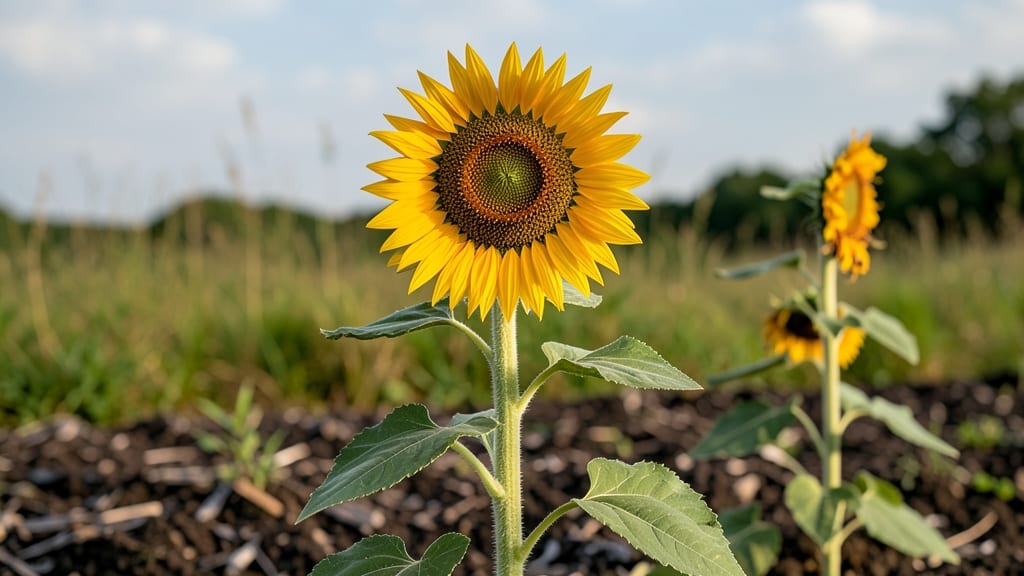
Sunflowers bloom for 1 to 2 weeks on average, but some varieties like the Teddy Bear or Mammoth can stretch that to 3 weeks with the right care.
Picture this: a single 🌻 sunflower head bursting into color, drawing bees and butterflies like a summer magnet. But here’s the catch—some gardeners swear their sunflowers last barely a week, while others enjoy vibrant blooms for weeks. What’s the difference?
The secret lies in the variety, your local climate, and a few simple care tricks. Whether you’re growing sunflowers for cut arrangements or a pollinator-friendly yard, knowing how to extend their bloom time means more color and joy all season long.
Below, I’ll break down exactly how long each popular variety stays in bloom, plus the easy steps to keep those cheerful faces glowing longer—because nobody wants their sunflowers fading too soon!
Sunflower bloom duration by variety: exact days for long-lasting color
If you’ve ever wondered why some sunflowers seem to stay vibrant for weeks while others wilt in days, the answer lies in their variety. Sunflowers aren’t one-size-fits-all—some dwarf varieties bloom for just 7 days, while towering giant types can shine for up to 30 days.
The right choice can turn your garden into a pollinator hotspot for months, not just weeks. Let’s break down the exact bloom durations by variety so you can plan your garden for maximum impact.
Most gardeners assume all sunflowers follow the same timeline, but that’s far from true. Tall varieties like Mammoth often outperform their shorter cousins in both size and bloom longevity. Meanwhile, double-bloom types like Teddy Bear may look stunning but sometimes sacrifice duration for their unique petals.
Understanding these differences helps you select sunflowers that align with your gardening goals—whether it’s cut flowers, bird feeders, or landscape focal points.
| Variety | Height Range | Avg. Bloom Duration | Best For | Notes |
|---|---|---|---|---|
| Mammoth | 10-14 ft | 25-30 days | Cut flowers, bird feeders | Longest bloom time; needs staking |
| Teddy Bear | 3-5 ft | 14-21 days | Containers, borders | Double blooms; shorter duration |
| ProCut | 5-6 ft | 20-25 days | Floral arrangements | Long vase life; disease resistant |
| Autumn Beauty | 4-5 ft | 18-22 days | Seasonal color change | Petals shift from yellow to red |
| Little Becka | 1-2 ft | 7-10 days | Containers, edging | Fastest bloomer; great for kids |
| Russian Giant | 12-16 ft | 28-35 days | Landscape statements |
Factors that extend or shorten sunflower bloom timeSunflowers thrive on sunlight and warmth, but their bloom duration depends on more than just these factors. The right soil conditions, consistent watering practices, and proper companion planting can turn a 1-week bloom into a 3-week spectacle. Even the local climate plays a role—cooler regions may see shorter blooms than hot, dry areas. For example, Mammoth sunflowers typically bloom for 7-10 days under ideal conditions, while Teddy Bear varieties can last 2-3 weeks when cared for properly. The difference? It’s all in the details of their environment and how gardeners respond to their needs. 🌻 Key Factors Affecting Sunflower Bloom Time
☀️
Sunlight: 6-8+ hours daily extends blooms by 50% compared to partial shade.
💧
Watering: Deep soaks 2-3x/week prevents wilting, adding 3-5 extra days to blooms.
🌡️
Temperature: 70-85°F is ideal; extremes shorten blooms by 20-30%.
✂️
Deadheading: Removing spent blooms doubles secondary flower production.
One of the biggest misconceptions about sunflowers is that they bloom only once. In reality, many varieties—especially ProCut and Autumn Beauty types—produce secondary blooms if you remove the central flower head after it fades. This trick can extend your garden’s color by 2-4 weeks in a single season. Soil quality also matters more than most gardeners realize. Well-draining, nutrient-rich soil with a pH of 6.0-7.5 helps sunflowers absorb moisture and nutrients efficiently. Amending clay soil with compost or sand can improve bloom duration by up to 10 days, while poor soil may stunt growth and shorten blooms. Don’t overlook the power of companion planting. Pairing sunflowers with basil, marigolds, or borage deters pests like aphids and beetles, reducing stress on the plant. Healthy sunflowers bloom longer because they’re not fighting off insect damage or disease. Even interplanting with nitrogen-fixers like clover can boost soil health over time. Finally, late-season care is key if you want sunflowers to last into fall. Reduce watering as temperatures drop to prevent fungal diseases, and add a light mulch layer to insulate roots. With these adjustments, you can push bloom times into October in many climates. |