
Blooming
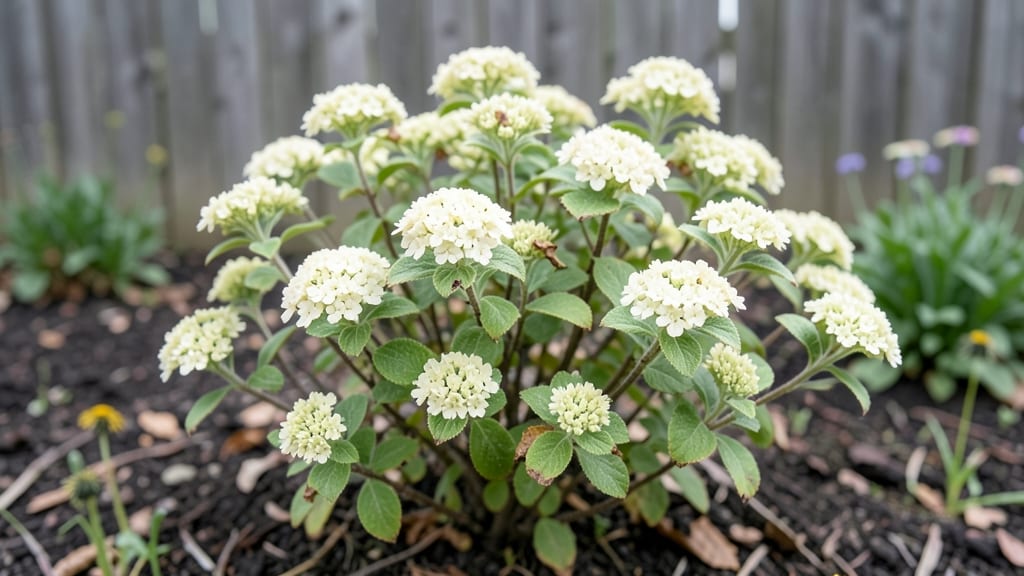
Viburnum blooms typically last 2 to 4 weeks, with most varieties peaking in early to mid-spring, though late-blooming types (like Viburnum bodnantense) may flower in winter. Proper pruning and sunlight exposure can extend bloom duration and encourage repeat flowering in some species.
Timing matters when it comes to viburnum flowers, as their lifespan can shift dramatically based on the specific variety you're growing. 🌸 For instance, Viburnum dentatum—commonly called arrowwood—often bursts into bloom for about 3 weeks in late spring, while Viburnum trilobum (highbush cranberry) stretches its display closer to 5 weeks when conditions are ideal.
The key difference? Arrowwood thrives in cooler climates, where its shorter bloom aligns with a quicker seasonal shift, whereas trilobum's extended show comes from its hardier nature in warmer regions.
What truly sets viburnums apart is their adaptability—some species, like Viburnum carlesii, defy the spring-only rule by flowering in winter (February-March) when other plants are dormant. This makes them standout garden stars during off-seasons. 💫 The trade-off?
Winter-bloomers often sacrifice a full summer rebloom unless you invest in targeted care, like late-spring pruning to encourage new growth.
💡 In This Article
- Viburnum Bloom Duration by Species and Seasonal Factors
- Extending Viburnum Blooms: Pruning and Care Tips
Viburnum bloom duration by species and seasonal factors
Here's what's actually happening beneath the surface: viburnum bloom duration varies dramatically by species due to their unique genetic adaptations and environmental triggers.
For example, Viburnum opulus (European cranberrybush) typically showcases its fragrant white clusters for 3 weeks in late spring, while Viburnum plicatum (Japanese snowball bush) can extend its display to 5-6 weeks when grown in full sun with consistent moisture.
The difference lies in their native climates—opulus evolved in cooler temperate zones where rapid flowering maximizes pollinator visits before summer droughts, while plicatum's layered branching structure creates a prolonged visual effect.
Temperature plays a critical role in bloom length. Most spring-blooming viburnums need 50-60°F nighttime temperatures to initiate flowering, but prolonged exposure above 75°F accelerates bloom decline by increasing respiration rates in the flowers. 🌡️ This is why southern gardens often see shorter bloom periods—heat stress causes flowers to wilt faster.
Conversely, winter-blooming varieties like Viburnum bodnantense (Wake Robin) thrive in colder climates where chilling requirements (typically 400-600 hours below 45°F) must be met before buds open. Their flowers last 3-4 weeks in winter but may drop prematurely if sudden thaws occur.
The science behind reblooming involves hormonal regulation. Species like Viburnum rhytidophyllum (leatherleaf viburnum) can produce secondary blooms in late summer if given proper care. This happens because their growth flushes are stimulated by longer daylight hours (photoperiodism) combined with consistent watering. The trade-off?
Heavy summer pruning is required to remove spent blooms and encourage new growth, which can stress the plant if not done carefully. What most people don't realize is that reblooming varieties often produce smaller flowers than their spring counterparts due to limited energy reserves.
Light exposure creates another critical variable. Viburnums grown in partial shade (3-6 hours of direct sun) may see bloom durations shortened by 20-30% compared to full-sun counterparts.
This occurs because chlorophyll production competes with flower development—shaded plants allocate more energy to leaf growth than to reproductive structures. 🌿 The ideal scenario is morning sun with afternoon shade, which provides enough energy for blooming without heat stress.
Soil moisture matters too: consistent moisture (but not soggy conditions) maintains turgor pressure in petals, extending their lifespan by up to 10 days compared to drought-stressed plants.
Let's look at specific examples to illustrate these differences:
- Viburnum dentatum: 3 weeks bloom (late May-June) in cooler climates; 2 weeks in hotter regions
- Viburnum trilobum: 5 weeks bloom (June-July) when given 6+ hours of sun and regular watering
- Viburnum carlesii: 4 weeks winter bloom (February-March) if chilling requirements are met
- Viburnum plicatum: 6 weeks spring bloom when pruned annually to remove oldest wood
The key takeaway is that while most viburnums follow a 2-4 week spring bloom pattern, their actual duration depends on a complex interplay of genetics, climate, and care practices.
Understanding these factors lets you choose varieties that align with your local growing conditions and extend their floral displays through targeted maintenance. 💫