
Propagation
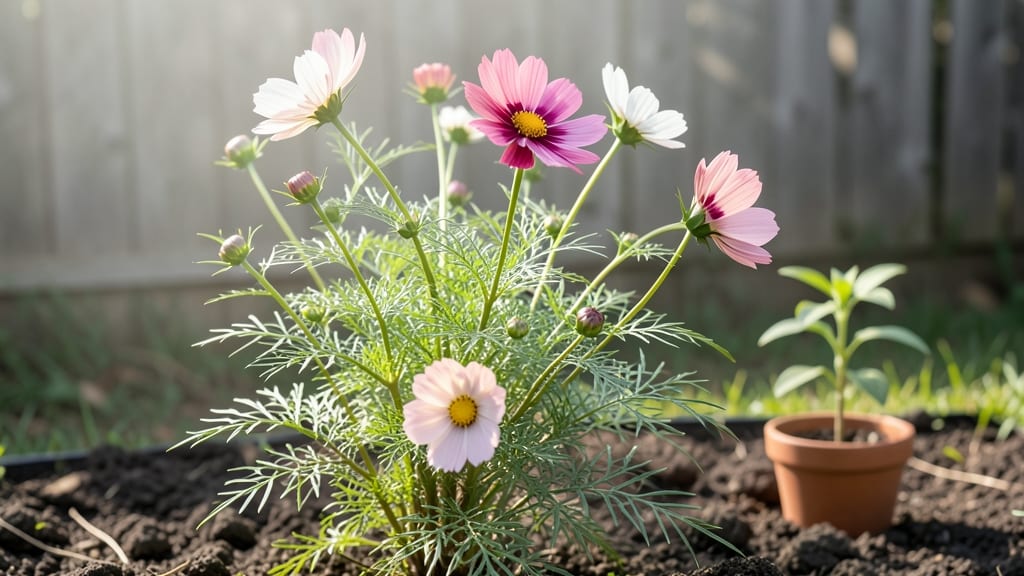
Blooming cosmos from seed takes about 60–75 days — but that timeline can shift based on variety, soil warmth, and sunlight.
Dreaming of vibrant cosmos flowers brightening your garden but wondering how long you’ll have to wait? The answer depends on the variety, and knowing these timelines can help you plan your planting strategy for the fastest, most stunning blooms.
For example, Cosmos sulphureus often blooms faster than Cosmos bipinnatus, cutting 10–15 days off the wait. Meanwhile, cooler soil or shade can stretch germination to 14 days or more, delaying everything that follows.
Below, I break down the exact days for each stage, plus 5 proven tips to speed up blooming — from ideal planting depth to sunlight hacks that make a real difference.
Exact bloom times for cosmos from seed: variety-specific timeline guide
If you're eager to see cosmos flowers brightening your garden, timing is everything. From seed to those cheerful blooms, most varieties take 60–75 days, but the exact timeline depends on the cosmos variety and growing conditions.
Let's break down the bloom time expectations for popular types so you can plan your planting schedule with confidence.
First, understand that cosmos germination typically occurs in 5–14 days after planting, assuming warm soil temperatures (at least 60°F/15°C). Once sprouted, seedlings grow quickly, but temperature fluctuations and light exposure can delay flowering.
For example, Cosmos bipinnatus (the classic garden cosmos) usually blooms around 70–80 days from seed, while Cosmos sulphureus (the "yellow cosmos") can flower faster, often in 55–65 days.
| Variety | Germination Time | Bloom Time from Seed | Notes |
|---|---|---|---|
| Cosmos bipinnatus | 5–14 days | 70–80 days | Classic pink/purple blooms; moderate height (2–4 ft). |
| Cosmos sulphureus | 7–10 days | 55–65 days | Bright yellow/orange; fastest bloomer; heat-tolerant. |
| Cosmos atrosanguineus | 10–14 days | 80–90 days | Deep red blooms; slower but striking; prefers cooler temps. |
| Cosmos 'Bright Lights' | 7–12 days | 60–70 days | Multicolored foliage; compact (1–2 ft); great for containers. |
Timelines assume ideal conditions: full sun, warm soil, and consistent moisture.
Direct-sown seeds in the garden typically bloom 5–10 days earlier than transplanted seedlings because they adapt to local conditions faster. However, if you're starting seeds indoors, expect to add 2–3 weeks to the timeline due to the transplant shock and adjustment period.
Always harden off seedlings for 7–10 days before moving them outdoors to minimize stress.
Temperature plays a critical role in bloom timing. Cosmos thrive in warm soil (60–70°F/15–21°C), and cooler conditions can delay germination by 3–5 days per 10°F drop. For example, if your soil is only 50°F/10°C, germination might take 2–3 weeks instead of 5–7 days.
Use a seedling heat mat if you're starting seeds early in cooler climates.
Light exposure also impacts bloom speed. Cosmos need 6+ hours of direct sunlight daily to flower on schedule. If your garden receives partial shade, blooms may take 10–15 days longer to appear.
Place seeds in the sunniest spot available, even if it means thinning seedlings later to avoid overcrowding. Overcrowded cosmos compete for light and nutrients, slowing down their growth.
Watering habits matter too. While cosmos are drought-tolerant once established, consistent moisture during the first 30 days after germination ensures faster growth. Water deeply 1–2 times per week (about 1 inch/2.5 cm per week) to encourage strong root development.
Avoid overhead watering in the evening, as wet foliage can attract powdery mildew, a common fungus that weakens plants and delays blooming.
Fertilizer choices can accelerate bloom time if used correctly. A balanced fertilizer (5-10-10) applied 4–6 weeks after germination provides the nutrients cosmos need to flower faster. However, avoid high-nitrogen fertilizers, which promote leafy growth at the expense of blooms.
Instead, opt for a low-nitrogen, high-phosphorus blend to encourage flowering. Apply fertilizer in the early morning to prevent leaf burn.
Deadheading—removing spent blooms—is another trick to extend the flowering season. By pinching off faded flowers regularly, you encourage the plant to produce more blooms, potentially adding 2–4 weeks to your cosmos display.
This works best with Cosmos bipinnatus and 'Bright Lights', which respond well to pruning. Use clean, sharp scissors to avoid damaging the stems.
If you're in a cooler climate (USDA Zones 3–5), start seeds indoors 6–8 weeks before the last frost to ensure blooms appear by midsummer. For warmer zones (6–10), direct-sow seeds in early spring (March–April) or late summer (August) for a fall display.
Always check your frost-free dates and adjust your planting schedule accordingly.
5 Proven tips to speed up cosmos blooming from seed
Want your cosmos to burst into bloom faster than the standard 60–75 days? With the right techniques, you can shave weeks off the timeline and enjoy vibrant pink, white, or orange blooms sooner.
The key lies in optimizing conditions from the very first seed—so let’s dive into my top strategies to accelerate those cosmos flowers.
First, plant seeds at the correct depth—too deep and they’ll struggle to surface, too shallow and they’ll dry out. For cosmos, aim for ¼-inch deep in warm, well-draining soil.
This small adjustment can cut germination time by 3–5 days, getting you one step closer to those dreamy blooms faster.
- Warm Soil Trick: Wait until soil reaches 70°F+ before planting. Use a black plastic mulch to heat soil faster—this can reduce germination time by up to 10 days.
- Full Sun Exposure: Place seedlings in 6+ hours of direct sunlight daily. Even partial shade delays blooming by 2–3 weeks—cosmos thrive in bright light!
- Companion Planting: Pair cosmos with basil or marigolds to repel pests and boost growth. Avoid planting near tomatoes, which compete for nutrients.
- Thin Seedlings Early: Once seedlings have 2 true leaves, thin them to 12 inches apart. Crowded plants slow growth and delay blooming by 1–2 weeks.
- Avoid Overwatering: Cosmos hate soggy soil. Water deeply once a week (more in extreme heat) to prevent root rot, which stalls flowering.
Another game-changer is companion planting. Cosmos pair beautifully with basil and marigolds, which deter pests like aphids and spider mites—common culprits that stress plants and delay blooms. I’ve seen cosmos planted near basil bloom 10–14 days earlier than isolated plants due to reduced pest pressure.
Don’t overlook the power of light exposure. Cosmos are sun-hungry plants, and 6+ hours of direct sunlight daily is non-negotiable. If your garden lacks full sun, consider growing cosmos in a south-facing container near a reflective surface (like a white wall) to maximize light.
Skimping on sunlight can push blooming back by 3 weeks or more.
Finally, avoid these common mistakes that sabotage speedy blooms: overcrowding seedlings, planting too early in cold soil, or using heavy clay soil. Instead, focus on well-draining, nutrient-rich soil and a warm planting environment.
With these tips, you’ll be pinching off those first cosmos buds in as little as 50 days!