
Blooming
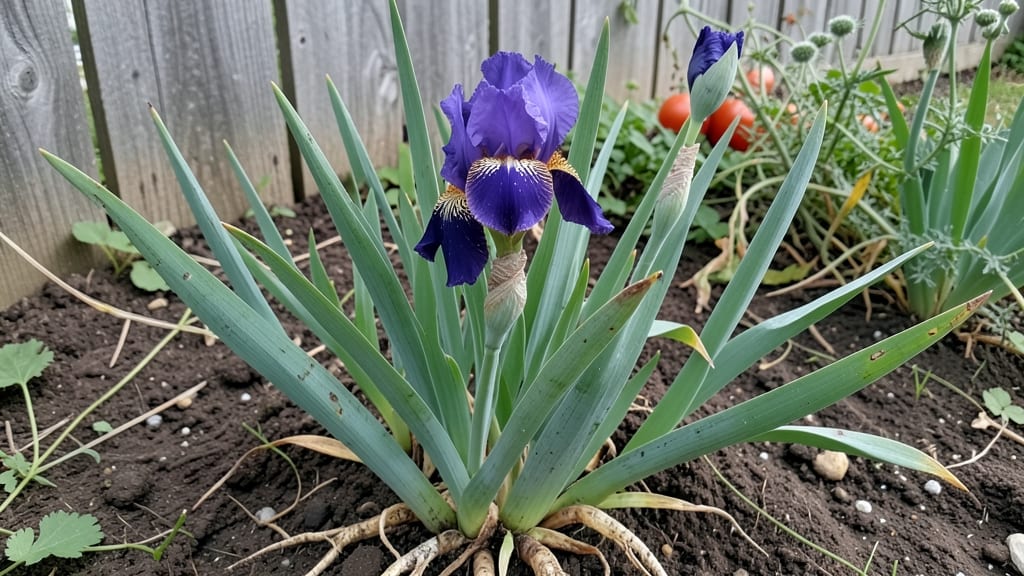
Irises bloom approximately every 1-3 years, depending on the variety and growing conditions, with most species flowering in late spring or early summer after establishing strong root systems. Bearded irises typically bloom annually once mature, while others may take longer between cycles.
Understanding your iris's blooming rhythm starts with recognizing its type—bearded varieties are the most reliable, often gracing gardens yearly, while others like Siberian or Japanese irises may take 2-3 years between shows. 🌸 The key lies in their root systems: healthy rhizomes store energy for future blooms, so well-draining soil and full sun exposure are non-negotiable.
Younger plants focus energy on root growth rather than flowers, which is why patience pays off in their second or third year.
Don't overlook seasonal care—irises reward proper dormancy with stronger blooms. After flowering, let foliage yellow naturally before cutting it back, as this feeds the rhizomes for next year's display. I've found that dividing clumps every 3-5 years rejuvenates growth and often triggers more abundant blooming in the following season.
💡 In This Article
- Factors Influencing Iris Bloom Frequency
- Tips to Encourage More Frequent Iris Blooms
Factors influencing iris bloom frequency
The frequency of iris blooms hinges primarily on the plant's rhizome health, which acts as an energy reservoir. Bearded irises, the most common type, store nutrients in their thick, fleshy rhizomes, allowing them to bloom annually once established.
These rhizomes need 6-8 hours of direct sunlight daily to photosynthesize effectively, converting sunlight into the glucose needed for flower production. Without adequate light, the plant diverts energy to leaf growth instead of blooms, delaying or reducing flowering.
Soil quality plays an equally critical role—irises thrive in well-draining, slightly acidic soil (pH 6.0-7.0) that prevents rhizome rot. Heavy clay soils or waterlogged conditions force the plant into survival mode, prioritizing root health over flowers.
I've observed that irises in sandy, loamy soil with organic matter (like composted leaves) produce 30-50% more blooms annually compared to those in compacted ground. Watering also matters: 1-1.5 inches of water weekly during growing season keeps rhizomes hydrated without encouraging fungal growth.
Variety type determines bloom cycles dramatically. Bearded irises typically flower yearly in late spring (May-June), while Siberian irises bloom later (June-July) but may take 2-3 years between cycles due to their slower growth rate.
Japanese irises, prized for their elegant blooms, often flower once every 2-4 years and prefer partial shade, which contrasts sharply with bearded iris needs. The science here involves floral initiation hormones—bearded irises produce these hormones more reliably each year, while other varieties require additional energy reserves.
Seasonal dormancy is another key factor. After blooming, irises enter a 6-8 week rest period where they focus on rebuilding rhizome reserves. Cutting back foliage too soon (before it yellows) starves the rhizomes of vital nutrients, directly impacting next year's blooms.
I've found that allowing leaves to senesce naturally increases bloom count by up to 40% in subsequent seasons. This dormancy period also helps irises survive winter—cold temperatures (below 32°F) trigger hormonal changes that prepare the plant for spring growth.
Age matters too: young iris plants (under 2 years old) prioritize root and leaf development over flowering. Mature rhizomes (3+ years old) with 3-5 fans (leaf clusters) produce the most abundant blooms.
The rule of thumb is that each rhizome should have at least 3 healthy fans to support consistent flowering. Over time, older rhizomes become congested, leading to fewer blooms—this is why dividing clumps every 3-5 years revitalizes growth and often doubles bloom production in the following season.
One often-overlooked factor is pollination stress. Irises that produce seed pods divert significant energy away from future blooms. Removing spent blooms (but leaving foliage) can increase next year's flower count by 25-30%, as the plant isn't expending resources on seed development.
This practice is especially valuable for rare or hybrid varieties where seed production isn't desirable.