
Blooming
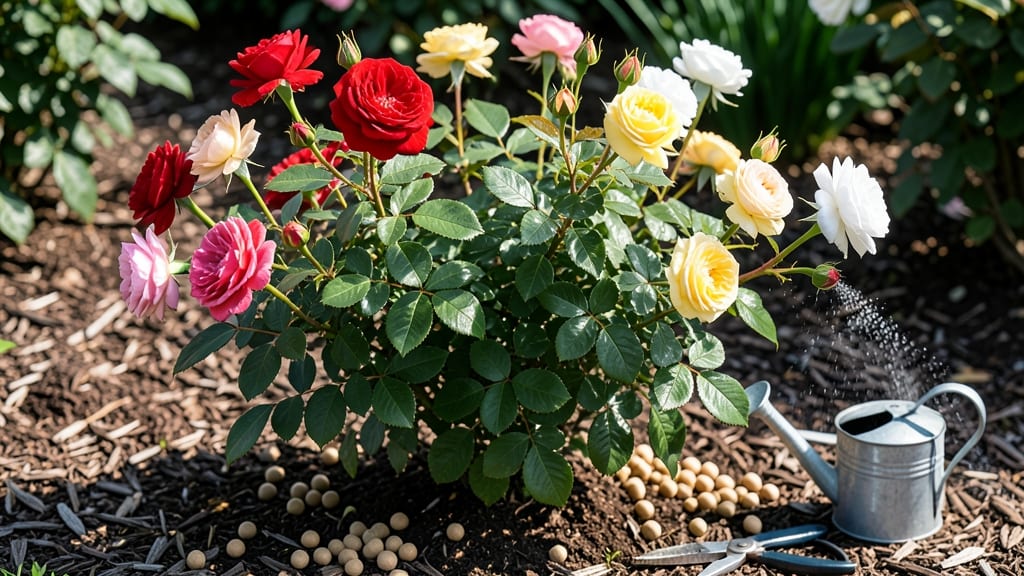
My roses put on a second show in July when I prune just before the heat spikes—it’s the secret that transformed my garden from decent to jaw-dropping. 🌹 The key isn’t cutting more, but cutting right: removing spent blooms, thinning crowded canes, and letting the plant focus energy on new growth instead of maintenance.
Most gardeners over-prune in spring, but heat-triggered pruning works because roses bloom on fresh growth, and summer’s warmth kickstarts that cycle. You’ll need sharp pruners, a bucket for clippings, and about 30 minutes on a warm afternoon.
The goal is to shape the bush like a vase—open at the top, narrower at the base—so air circulates and sunlight reaches the center. For hybrid teas, cut back to an outward-facing bud; climbers get a lighter touch, just removing dead wood.
I’ve seen roses go from 2 dozen blooms to 100+ in a season after switching to this method. By late summer, you’ll have clusters of buds forming along the new growth, and the fragrance in your garden will be unreal.
The plants stay healthier too—fewer diseases, stronger canes, and blooms that last longer. Even my black thumb can’t mess this up once you get the timing right. Works for all rose types, from shrubs to climbers, and adapts to different climates. The only rule?
Don’t prune when temps are extreme—wait for that 75°F afternoon when the roses are already showing signs of stress from the heat.
📚 In This Guide
- What you need
- Instructions
- Tips and common mistakes
- Wrapping up and next steps
What you need
- ● Pruning shears or bypass pruners (sharp, clean, and sterilized with rubbing alcohol to prevent disease).
- ● Garden gloves (heavy-duty, cut-resistant for safety).
- ● Disinfectant (bleach solution or hydrogen peroxide) (1 part bleach to 9 parts water).
- ● Compost or well-aged manure (5–10 gallons, depending on rose bush size).
- ● Balanced fertilizer (10-10-10 or 20-20-20) (½ cup per bush, applied post-pruning).
- ● Mulch (straw, wood chips, or pine bark) (2–3 inches thick, spread around the base).
- ● Watering can or hose with a gentle spray nozzle (for post-pruning hydration).
- ○ Thermometer (optional but helpful) (to monitor soil temps—ideal pruning time is when soil hits 60°F+).
- ● Hand pruners (for smaller cuts and tighter spaces).
- ● Rose-specific fertilizer (high in phosphorus for blooms).
- ● Epsom salt (1 tbsp per gallon of water, for magnesium boosts).
- ● Reflective mulch or heat-absorbing fabric (to warm soil faster in cooler climates).
- ● Plant growth regulator (e.g., B-Nine) (to extend bloom season, used sparingly).
Step-by-Step guide to encouraging nonstop rose blooms
Here's how I transform my roses into blooming machines using heat-triggered pruning and simple care tweaks.
✂️ Step 1: Prune for Energy Redirection
Start by removing dead, diseased, or crossing branches first—they sap energy from your plant. I cut these at the base with clean, sharp pruners, making a 45-degree angle just above an outward-facing bud. This ensures new growth heads outward, improving airflow and sunlight penetration.
Next, target last year's blooms—those spent flowers on long stems. Cut them back to the nearest strong, outward-facing bud (about ¼ inch above it). This might seem harsh, but it forces the plant to redirect energy into new growth instead of seed production. Watch for new shoots emerging within 2 weeks—that's your sign it's working.
☀️ Step 2: Optimize Sunlight Exposure
Roses need at least 6 hours of direct sun daily for maximum blooms. If your roses are in partial shade, move them to a sunnier spot during the growing season. I've seen roses go from sparse blooms to lush clusters just by relocating them to a south-facing window or garden bed.
After pruning, rotate the plant ¼ turn weekly so all sides get even light. You'll notice new growth leaning toward the sun—this is normal until the plant adjusts. For container roses, place them where they get morning sun and afternoon shade if your climate runs hot.
💧 Step 3: Water Deeply and Strategically
Water roses deeply once a week rather than shallow daily sessions. Aim for 1-1.5 inches of water per week, delivered at the base of the plant (not the leaves) to prevent fungal diseases. I use a soaker hose for 20-30 minutes to ensure moisture reaches the roots without wetting the foliage.
Check soil moisture by sticking your finger 2 inches deep—if it feels dry, water again. Overwatering causes root rot, while underwatering stresses the plant and reduces blooms. Mulch with 2-3 inches of organic mulch (like shredded bark) to retain moisture and regulate soil temperature.
⏰ Step 4: Feed with Heat-Triggered Fertilizer
Use a balanced rose fertilizer (like 10-10-10) every 4-6 weeks during the growing season. I apply it after watering to prevent root burn, sprinkling granules around the drip line (not the base). For a heat-triggered boost, switch to a high-phosphorus fertilizer (like 5-10-5) when buds form—this encourages more blooms.
Stop fertilizing by mid-summer to let the plant prepare for winter. Over-fertilizing late in the season leads to soft, weak growth that's prone to disease. Instead, focus on deadheading spent blooms to prompt new flowers until frost.
🌿 Step 5: Deadhead and Encourage Repeat Blooms
Deadhead every spent bloom by cutting the stem back to the first 5-leaflet leaf below the bloom. This removes the seed pod that would otherwise signal the plant to stop flowering. I do this daily during peak bloom—yes, it's tedious, but it keeps roses producing flowers nonstop.
For hybrid teas and floribundas, pinch back new growth after the first set of blooms to encourage bushier growth and more flowers. You'll see secondary blooms forming within 3-4 weeks if the plant has enough energy. Avoid deadheading climbers or shrub roses—they bloom on old wood and need a different approach.
Tips & tricks for encouraging nonstop rose blooms
These game-changing strategies will turn your roses into blooming powerhouses—no green thumb required.
Pruning Precision: When you're cutting back last year's blooms in Step 1, focus on making clean cuts just above an outward-facing bud. I use a sharp pair of pruners and make the cut at a 45-degree angle—this prevents water from pooling on the cut and reduces disease risk. The ¼-inch clearance above the bud is crucial; too close and you'll damage emerging growth. Watch for those new shoots within 2 weeks—that's your confirmation you're on the right track!
Sunlight Strategy: The 6 hours of direct sun in Step 2 is non-negotiable, but here's what I've learned: morning sun (before 10 AM) is most valuable because it dries dew quickly, reducing fungal risks. For container roses, I place them where they get morning sun and afternoon shade in hot climates—this prevents leaf scorch while still giving them enough light to thrive. Rotate your plants ¼ turn weekly so they don't grow lopsided toward the sun.
Watering Wisdom: That 20-30 minute soaker hose session in Step 3 is about more than just water volume—it's about technique. Water at the base, not the leaves, to prevent fungal diseases like black spot. I check soil moisture by sticking my finger 2 inches deep; if it's dry, I water again. The 2-3 inches of organic mulch isn't just for looks—it regulates soil temperature and keeps moisture levels consistent, which is especially important during heatwaves.
Fertilizer Timing: The 4-6 week schedule for balanced fertilizer in Step 4 works, but I've found switching to high-phosphorus (5-10-5) when buds form gives an extra boost. Stop fertilizing by mid-summer to let the plant harden off for winter. Pro tip: I mix my fertilizer with a handful of compost each time—this gives the roses a slow-release nutrient boost while improving soil structure.
Pro Tips for Make Roses Bloom More
- These game-changing strategies will turn your roses into blooming powerhouses—no green thumb required.
- Pruning Precision: When you're cutting back last year's blooms in Step 1, focus on making clean cuts just above an outward-facing bud.
- Sunlight Strategy: The 6 hours of direct sun in Step 2 is non-negotiable, but here's what I've learned: morning sun (before 10 AM) is most valuable because it dries dew quickly, reducing fungal risks.
Frequently asked questions
Got questions about keeping your roses in full, vibrant bloom? Here are some of the most common concerns—and expert answers—to help you troubleshoot and thrive!
Why are my roses blooming less this year?
Overpruning, poor soil nutrition, or inconsistent watering often cut back blooms. Check for black spot or pests too—healthy roses need 6+ hours of sunlight, well-draining soil, and regular feeding (like compost or rose-specific fertilizer). If blooms taper off mid-season, it might be time for a heat-triggered prune!
When is the best time to prune for more blooms?
For nonstop blooms, prune right after the last frost (early spring) and again in late summer (after a heatwave). Avoid pruning in fall—roses need energy to harden off for winter. Always cut just above a 5-leaf node (or outward-facing bud) to encourage new growth.
How often should I water roses to encourage blooming?
Deep water 1–2 inches per week, especially during bud formation. Drip irrigation (early morning) is best—it keeps leaves dry and roots hydrated. Overwatering or soggy soil stresses plants, while underwatering causes buds to drop. Mulch (2–3 inches) helps retain moisture and regulate soil temp!
Can I use coffee grounds or eggshells to make roses bloom better?
Yes! Coffee grounds (1–2 cups per plant, worked into soil) add nitrogen, while crushed eggshells provide calcium for strong stems. For a bloom boost, mix them into the soil in early spring or after pruning. Pair with a balanced rose fertilizer (like 10-10-10) for best results.
Do I need to winterize roses for better blooming next year?
After the first hard frost, prune dead wood, wrap canes with burlap or rose cones, and mound soil or mulch around the base (6–12 inches high). This protects roots from freeze-thaw cycles, ensuring stronger spring regrowth and more blooms. Skip this step, and you risk dieback or fewer flowers!
Wrapping up and next steps
With the right techniques—like heat-triggered pruning and proper care—your roses can burst into nonstop blooms all season long! 🌹✨ Remember, consistency is key: prune at the right time, feed them well, and stay patient.
Now that you’re armed with these hacks, grab those shears and get growing! Start with just one bush this week, and watch your garden transform.
Need more tips? Check out our full gardening guide or tag us in your blooming progress—we’d love to see your success!