
Blooming
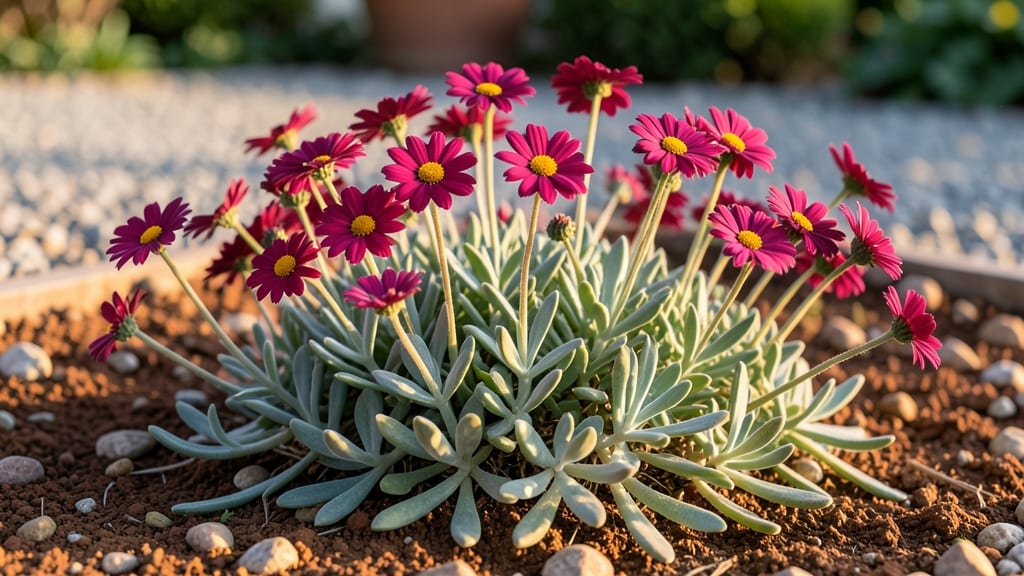
The ice plant bloom time is a gardener’s mystery—these hardy succulents burst into flower only when heat triggers their blooms, usually after 6+ weeks of temperatures above 60°F, making their schedule unpredictable.
If you’ve ever wondered why your 🌸 Delosperma or Lampranthus refuses to bloom—or when to expect those vibrant bursts of color—heat exposure is the secret.
Unlike most plants, ice plants don’t follow daylight hours; they wait for warmth, which means bloom times shift by zone, variety, and even coastal vs. inland climates.
Here’s how to predict their flowering, adjust care for earlier (or later) blooms, and keep them thriving with minimal effort.
When do ice plants bloom? Heat-triggered schedule by US Hardiness Zones
Ice plants (Delosperma and Lampranthus) are fascinating because their bloom times are controlled by heat exposure, not daylight hours. Unlike most flowers, they need consistent 60°F+ temperatures for 6+ weeks to trigger blooming.
This means their schedule shifts dramatically across US Hardiness Zones 7-11, where summer heat arrives earlier or later.
In Zone 7, where summers are shorter, ice plants typically bloom from late June to August, while in Zone 11, they may flower year-round with winter breaks. Coastal areas often see delayed blooms due to milder ocean-influenced temperatures, while inland regions bloom earlier when heat arrives.
Some varieties, like Delosperma cooperi, defy the norm by blooming in winter months (October-February) in warmer zones. This exception proves that while heat triggers most ice plants, genetic adaptations can override seasonal rules.
Understanding these patterns helps you time plantings for maximum blooms. For example, planting in early spring in Zone 8 ensures they experience the critical heat threshold by summer, while fall plantings in Zone 10 may bloom in winter.
Here’s how bloom windows compare across zones, including regional variations and winter-blooming exceptions:
| Zone | Typical Bloom Window | Heat Trigger Threshold | Regional Variations | Winter Bloomers? |
|---|---|---|---|---|
| 7 | Late June - August | 60°F+ for 6-8 weeks | Coastal: 2-3 weeks later | No |
| 8 | May - September | 60°F+ for 5-6 weeks | Inland: 1-2 weeks earlier | Rare (Oct) |
| 9 | April - October | 58°F+ for 4-5 weeks | Desert: Year-round | Yes (D. cooperi) |
| 10 | March - November | 55°F+ for 3-4 weeks | Coastal: Spring blooms | Yes (Oct-Feb) |
| 11 | Year-round (breaks in winter) | 50°F+ for 2-3 weeks | None (consistent heat) | Yes (all winter) |
In Zone 7, the 60°F threshold is critical—planting too early may result in blooms cut short by fall frosts. I’ve found that late May plantings often yield the longest summer displays. Meanwhile, in Zone 11, the only "off-season" is winter, when temperatures dip below 50°F.
For gardeners in transition zones (8-9), the key is monitoring soil temperature rather than air temperature. Ice plants need root-zone warmth to trigger blooming, so mulching with gravel or rocks helps retain heat in cooler microclimates.
One common mistake is assuming all ice plants bloom in summer. Delosperma nubigenum, for example, often flowers in late summer to fall in Zone 9, while Lampranthus lucidus may bloom in spring and fall. These variations explain why some gardeners see blooms year-round in warmer climates.
To extend bloom seasons, I recommend strategic pruning after the first flush of flowers. Cutting back 1/3 of the plant in late summer can encourage a second bloom cycle in fall, especially in Zones 9-11 where heat persists longer.
Remember, ice plants are drought-tolerant once established, but consistent heat is non-negotiable for blooming. If your plants aren’t flowering, check your microclimate—shady spots or cool evenings can delay or prevent blooms entirely.
With this heat-triggered schedule in mind, you can now plan your ice plant garden for year-round color, adjusting for your specific zone and local climate quirks.
The key is patience and attention to temperature cues—once you master this, your ice plants will reward you with vibrant blooms on demand. 🌸
Top 5 ice plant varieties & their unique bloom times
Ice plants (Delosperma and Lampranthus) are famous for their vibrant blooms, but their timing varies wildly between varieties. Some burst into color in early spring, while others wait until late summer—all triggered by heat rather than daylight.
Choosing the right variety can mean year-round color in your garden if you plan carefully.
Understanding each variety’s natural bloom window helps you create a sequential display of flowers. For example, Delosperma nubigenum starts early, while Lampranthus lucidus shines in peak summer. Let’s explore the top 5 varieties and how to extend their flowering seasons for maximum impact.
Lampranthus lucidus (also called livingstone daisy) is a summer superstar, blooming from June through September in most climates. Its bright magenta flowers contrast beautifully with silvery foliage, making it a low-maintenance focal point. This variety thrives in USDA Zones 9-11 but can be grown as an annual in cooler regions.
For early-season color, Delosperma nubigenum (also called hardy ice plant) starts blooming as early as April in mild climates, often continuing until June. Its pink and white flowers create a soft contrast to bolder summer bloomers.
This variety is exceptionally cold-hardy (Zones 5-11) and perfect for rock gardens or slopes.
Delosperma markii (also called Mark’s ice plant) is a late-season performer, bursting into deep pink blooms from August to October. This variety extends your fall color display when many other plants have faded. It’s drought-tolerant and ideal for xeric landscapes or container gardens.
To extend bloom times, provide consistent heat exposure (60°F+ for 6+ weeks) and avoid overwatering. Deadhead spent blooms to encourage new flower production, and use light fertilizer (5-10-10) in early spring.
For cooler climates, grow varieties like Delosperma cooperi in containers and bring them indoors before frost.
Mixing these varieties ensures continuous blooms from spring to fall. For example, plant Delosperma nubigenum in early spring, Lampranthus lucidus in summer, and Delosperma markii in late summer. With the right placement, your ice plants will keep your garden vibrant all season long.