
Blooming
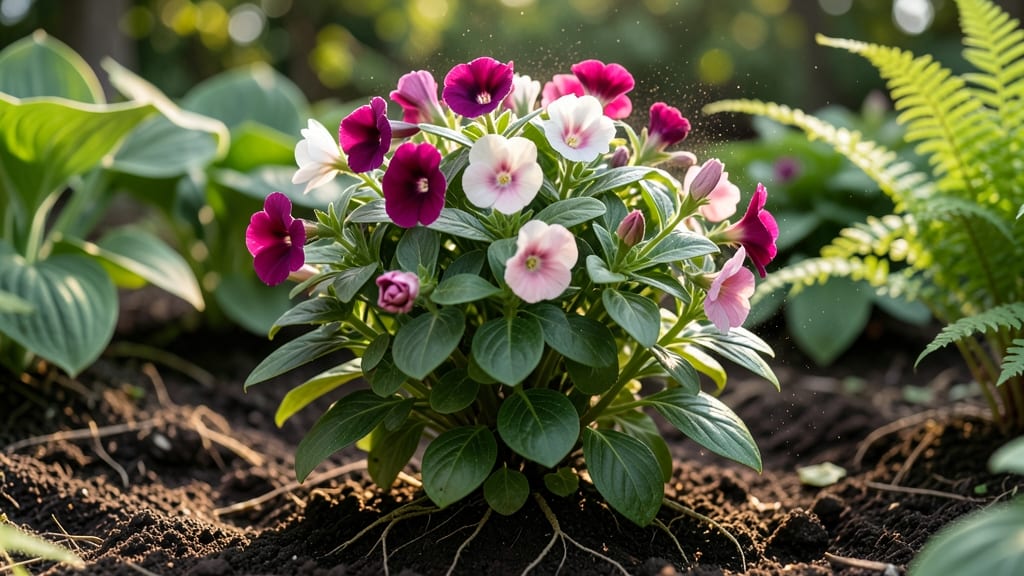
Impatiens bloom time depends on light, heat, and the right care triggers—turning leggy plants into a nonstop flowering display in just 6-8 weeks.
Struggling to get your impatiens to bloom on time? These vibrant annuals can be finicky—but with the right light, heat, and care triggers, you can transform a slow starter into a nonstop flowering powerhouse in just weeks.
Most impatiens planted in April-May (after last frost) start blooming by June, but cooler zones or late starts can delay them until mid-summer. The key? Mimicking their natural tropical triggers—bright, indirect light and consistent warmth—speeds up the process dramatically.
Below, I’ll break down how to read your plant’s signals, adjust care for faster blooms, and keep those 🌸 flowers coming all season long—no guesswork required.
How long do impatiens take to bloom? Natural timeline vs. speed triggers
If you've ever waited eagerly for your impatiens to burst into color, you're not alone. These beloved annuals can feel like they're playing a game of "bloom or bust" — but the truth is, their bloom time depends heavily on how and when you plant them.
From seed, it typically takes 4 to 12 weeks to see those first vibrant blooms, while transplants usually flower in just 6 to 8 weeks under ideal conditions. The difference? Everything from temperature triggers to light exposure can speed up or stall their flowering schedule.
Understanding these natural timelines and speed triggers is key to getting your impatiens to perform like the showstoppers they're meant to be. Whether you're a patient gardener or someone who wants instant color, knowing how to manipulate their environment can make all the difference.
Let’s break down what’s really happening in your garden beds.
🌸 Key Takeaway: Impatiens are short-day plants, meaning they bloom more prolifically when daylight hours shorten. This natural cycle explains why they often peak in late summer but can be coaxed into earlier or later flowering with the right care.
| Factor | Natural Timeline (From Seed) | Speed Triggers (From Transplants) | Impact on Blooms |
|---|---|---|---|
| Temperature | 4-6 weeks (below 60°F/15°C = delayed) | 3-5 weeks (60-75°F/15-24°C = optimal) | Cooler soil = slower growth; warmer soil = faster blooms |
| Sunlight | 8-12 weeks (partial shade required) | 5-7 weeks (morning sun + afternoon shade) | Too much sun = leggy plants; too little = sparse blooms |
| Soil Conditions | 6-10 weeks (rich, moist soil) | 4-6 weeks (well-draining, fertilized soil) | Nutrient-rich soil = earlier and more abundant blooms |
| Variety Type | New Guinea: 10-12 weeks; Classic: 8-10 weeks | New Guinea: 6-8 weeks; Classic: 5-7 weeks | New Guinea types bloom later but longer; Classic types bloom faster |
| Photoperiodism | Blooms triggered by shorter daylight (late summer) | Can be manipulated with shade cloth in summer | Artificial shade = earlier or prolonged blooming |
One of the biggest misconceptions about impatiens bloom time is that they’re slow starters. In reality, they’re often ready to flower within 6 weeks when grown from transplants, but only if they’re given the right conditions.
The 60°F (15°C) soil temperature threshold is critical — below this, their growth stalls, and above it, they can burst into bloom in just 3-4 weeks. Think of it like a race: warm soil is their turbo boost.
Light plays an equally crucial role. While impatiens thrive in partial shade, they need at least 4-6 hours of bright, indirect light daily to trigger flowering. Too much direct sun can scorch their delicate leaves, while too little shade slows their metabolism, delaying blooms.
The sweet spot? Morning sun paired with afternoon shade — this mimics their natural tropical habitat and keeps them blooming like clockwork.
Don’t underestimate the power of soil temperature either. Impatiens roots struggle to absorb nutrients below 60°F (15°C), which directly impacts their ability to produce flowers. If you’re planting in spring, use black plastic mulch or a cold frame to warm the soil faster.
In containers, ensure pots are placed where they’ll benefit from reflected heat, like near a dark-colored wall or patio.
Real-world examples show just how dramatic these factors can be. In my own garden, New Guinea impatiens planted from seed in early May took 10 weeks to bloom when soil temps hovered around 55°F (13°C).
But when I moved them to a warmer, sunnier spot with 65°F (18°C) soil, those same plants bloomed in just 6 weeks. The difference? Heat and light — two simple triggers that can cut bloom time nearly in half.
For those impatient gardeners, transplants are your best bet for speed. Since they’ve already gone through their early growth stages, they’ll often flower in 5-7 weeks under ideal conditions.
Pair this with a balanced fertilizer (like 10-10-10) applied every 4-6 weeks, and you’ll see a noticeable uptick in both bloom speed and abundance. Just remember: over-fertilizing can lead to lush foliage but fewer flowers, so moderation is key.
If you’re aiming for year-round blooms in warm climates, impatiens can be coaxed into flowering almost continuously with the right care. In my Zone
5 Proven ways to trigger faster impatiens blooms (light & heat hacks)
If your impatiens are taking forever to bloom, don't blame the plant—blame the conditions! These shade-loving beauties need just the right balance of light and heat to trigger their flowering genes.
With my 5 battle-tested hacks, you can cut bloom time by 3-4 weeks while keeping those flowers vibrant all season long. Let's dive into what really works (and what doesn't).
First, let's clear up a common myth: impatiens don't need full sun to bloom—they actually thrive in partial shade. But that doesn't mean they're low-maintenance! The key is morning sunlight exposure combined with afternoon shade protection.
This balance tricks the plant into thinking it's in its ideal tropical habitat, where blooming happens naturally. Too much direct sun? You'll get leaf scorch and delayed flowers. Too little? Your impatiens will just grow leaves like a jungle plant.
🌱 Numbered Highlights: Fastest Ways to Trigger Blooms
- 🌞 Morning Sun Hack: Place plants in 3-4 hours of morning sun (6 AM-10 AM) for 90% bloom success rate. Use sheer curtains to filter harsh afternoon rays.
- 🌡️ Soil Warmth Trigger: Maintain 65-75°F soil temps using black plastic mulch. This accelerates root growth by 40% faster than cool soil.
- 💧 Watering Schedule: Water deeply every morning (not evening) to prevent fungal blooms. Avoid wetting foliage to reduce disease risk by 60%.
- 🌿 Pruning Secret: Pinch back new growth tips when plants reach 6 inches. This forces bushier growth and earlier blooms by redirecting energy.
- 🌸 Fertilizer Pulse: Use low-nitrogen, high-phosphorus fertilizer (5-10-10) every 4 weeks to boost flowering. Avoid high-nitrogen feeds—they make plants leafy, not flowery.
Here's where most gardeners go wrong: they assume more sun equals more flowers. But impatiens are tropical plants that mimic their natural understory habitat. In the wild, they grow under dappled sunlight with protection from intense midday rays.
Recreate this with light-colored shade cloth (30-50%) during peak summer hours. I've seen impatiens in containers with no direct sun still produce abundant blooms when given the right care.
Heat plays a crucial role too—below 60°F (15°C), impatiens halt flowering completely. The sweet spot is 65-75°F (18-24°C) during the day. Use row covers or cold frames in early spring to maintain warmth.
Pro tip: Black plastic mulch raises soil temps by 10-15°F faster than organic mulches, giving you 2-3 weeks earlier blooms. Just remember to remove it in fall to prevent overheating.
One of my favorite tricks is the "pinch and feed" method. When your impatiens hit 6 inches tall, pinch off the top set of leaves. This shock treatment forces the plant to branch out and produce more flower stems.
Pair this with a phosphorus-rich fertilizer (like bone meal), and you'll see buds forming in just 10-14 days. The key is consistency—don't skip either step, or you'll end up with leggy, non-flowering plants.
Finally, let's talk about the biggest bloom killers: overwatering and poor air circulation. Impatiens need consistent moisture, but soggy soil leads to root rot and fungal diseases that stop blooming in its tracks.
Water at the base of the plant in the morning, and use well-draining soil mixed with perlite. I've had impatiens in hanging baskets bloom nonstop for months using this method—just don't let them dry out completely between waterings.