
Blooming
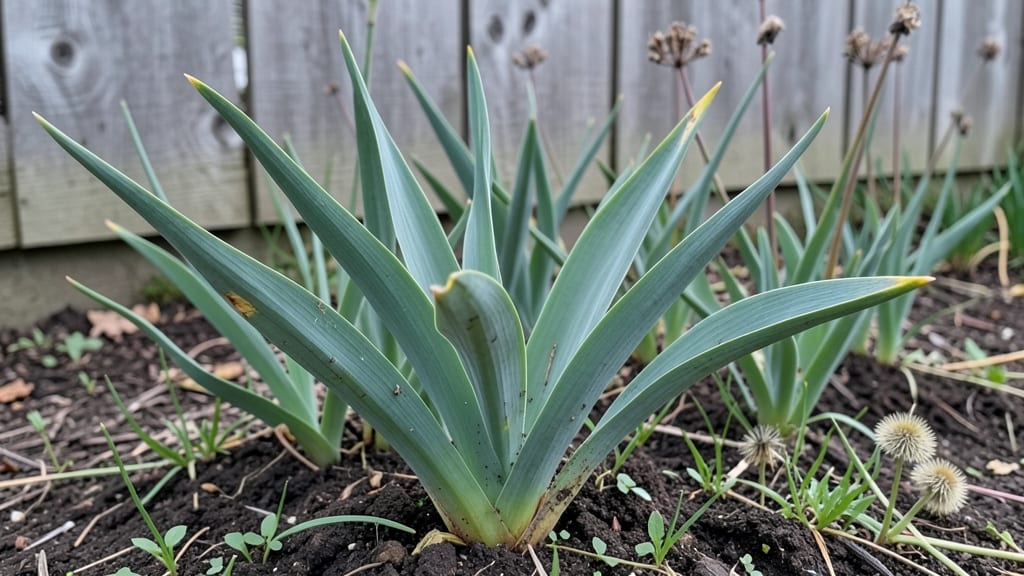
When your irises didn’t bloom this year, it’s not a death sentence—just a wake-up call. 🌿 I’ve nursed back more than my share of sleepy iris clumps, and the fixes are simpler than you’d think, starting with a closer look at their care routine.
The good news? Most blooming failures come down to just a few overlooked details.
Overcrowding is the #1 culprit, but poor sunlight, improper pruning, or even nutrient starvation can stall those dramatic spikes. I’ve seen irises bounce back in just one season after dividing congested rhizomes or moving them to a sunnier spot.
The key is checking for yellowing leaves, sparse foliage, or rhizomes buried too deep—all red flags for next year’s revival.
By late summer, you’ll see the difference: fresh, vibrant foliage pushing new growth, and by next spring, those classic sword-shaped blooms making a triumphant return. The secret is timing—divide in summer, fertilize in fall, and prune after blooming. It’s not magic; it’s methodical care that pays off in color.
Works for bearded, Siberian, and even reblooming varieties. Let’s get those rhizomes ready for a comeback—your garden’s about to get a whole lot more dramatic.
Why it happens
If your irises are putting on a show with lush foliage but stubbornly refusing to bloom, don’t panic—there’s usually a logical explanation lurking behind their silence. Understanding these causes is the first step to coaxing those vibrant flowers back into action.
Let’s dive into the most common reasons why your irises might be skipping the show this season.
###
🌱 Insufficient Light Exposure
Irises are sun worshippers, and they need 6 to 8 hours of direct sunlight daily to trigger blooming. If your irises are planted in a shady spot—whether from nearby trees, structures, or even dense shrubs—they’ll focus all their energy on growing leaves instead of producing flowers.
🔍 How to spot it:
- Foliage grows tall and leggy (stretching toward light).
- Leaves appear pale or yellowish (a sign of light deprivation).
- Bloom stalks (if any) are weak or nonexistent.
💡 Fix it:
- Move irises to a south-facing or west-facing location where they get unfiltered sun.
- If relocating isn’t possible, thin out surrounding plants to increase sunlight penetration.
- Consider reflective surfaces (like white gravel or mirrors) to bounce extra light onto shaded areas.
###
❄️ Improper Planting Depth
Irises are rhizome-dependent, and planting them too deep or too shallow can disrupt their natural growth cycle. When buried incorrectly, rhizomes struggle to access the sunlight and nutrients they need to produce flower stalks.
🔍 How to spot it:
- Rhizomes are completely covered with soil (they should be partially exposed like a third of their width).
- Foliage emerges weak or spindly.
- No flower stalks appear, even in sunny conditions.
💡 Fix it:
- Dig up rhizomes and replant them with only the top third exposed.
- Ensure they’re planted in well-draining soil (irises hate soggy roots).
- Space rhizomes 12–24 inches apart to allow airflow and prevent rot.
###
💧 Overwatering or Poor Drainage
Irises are drought-tolerant perennials, and too much moisture—especially in winter—can suffocate their rhizomes. Poor drainage leads to rot, fungal diseases, or weak growth, which directly impacts blooming.
🔍 How to spot it:
- Rhizomes appear mushy, discolored, or slimy when dug up.
- Foliage wilts or turns yellow even without pests.
- Soil stays soggy for days after watering.
💡 Fix it:
- Amend heavy or clay soil with sand, perlite, or compost to improve drainage.
- Water only when the top inch of soil is dry (deep watering once a week is usually enough).
- Plant irises on a slight mound or raised bed to prevent water pooling.
- Ensure pots (if using) have drainage holes and use cactus/succulent mix for potting.
###
🍽️ Nutrient Imbalance or Over-Fertilizing
While irises don’t need heavy feeding, too much nitrogen (common in lawn fertilizers) promotes leafy growth at the expense of flowers. Conversely, lack of phosphorus or potassium can also stunt blooming.
🔍 How to spot it:
- Foliage grows excessively lush but weak.
- Leaves appear dark green and rubbery (nitrogen overload).
- No flower buds form, even in mature plants.
💡 Fix it:
- Avoid high-nitrogen fertilizers (like lawn food). Instead, use a balanced 5-10-10 or low-nitrogen formula in early spring.
- Add bone meal or compost (high in phosphorus) to encourage blooming.
- Stop fertilizing 6–8 weeks before the first frost to allow rhizomes to harden off.
###
🌡️ Extreme Temperature Stress
Irises need a period of dormancy in winter to reset their growth cycle. If they don’t get cold enough temperatures (below 40°F/4°C for several weeks) or experience late-season heatwaves, they may skip blooming altogether.
🔍 How to spot it:
- Plants bloom late or not at all after a mild winter.
- Foliage wilts or turns brown during unexpected heatwaves.
- New growth appears weak or stunted in spring.
💡 Fix it:
- In mild climates, mulch heavily in winter to simulate cold stress.
- Avoid winter watering (keep soil dry unless in freezing zones).
- If blooming is delayed, prune dead foliage in early spring to encourage new growth.
###
🐛 Pests or Diseases Weakening Plants
Irises are susceptible to iris borers, aphids, or fungal infections, which can drain their energy and prevent blooming. Borers, in particular, hollow out rhizomes, leaving plants too weak to produce flowers.
🔍 How to spot it:
- Foliage has chewed edges or sawdust-like frass (borer sign).
- Rhizomes have small holes or blackened tunnels when dug up.
- Leaves yellow and die back prematurely.
💡 Fix it:
- Inspect rhizomes in late summer/early fall and cut out infected sections with a sterilized knife.
- Apply neem oil or insecticidal soap to treat aphids or borers.
- Dispose of infested plant debris (don’t compost it!).
- Rotate planting locations every 3–4 years to prevent soil-borne diseases.
How to solve it
If your irises refused to bloom this year, don’t despair! With the right adjustments, you can coax vibrant flowers next season. Below are targeted solutions based on the most common causes—plus prevention tips to keep your garden thriving.
🌱 1. Too Little Sunlight → Move to a Sunnier Spot
Irises crave at least 6 hours of direct sunlight daily. If your plants are shaded by trees or structures, they’ll focus on leaf growth instead of blooming.
- 🔥 Relocate them: Choose a south- or west-facing area with full sun exposure. If moving isn’t an option, trim nearby foliage to improve light.
- 🌡️ Test your spot: Use a light meter or observe shadows—if your garden stays dim for most of the day, irises won’t bloom.
- ✨ Pro tip: If you can’t move them yet, mark the area with stakes to plan a future transplant when sunlight improves.
💧 2. Overwatering or Poor Drainage → Adjust Care Routine
Soggy soil or waterlogged roots strangle irises. These plants prefer well-draining soil and moderate moisture—not soggy conditions.
- 🔪 Improve drainage:
- Amend heavy clay soil with compost, perlite, or coarse sand (mix in a 1:1 ratio with existing soil).
- Raise beds slightly with gravel or landscape fabric to prevent water pooling.
- 👨🍳 Water smarter:
- Water deeply but infrequently—about 1 inch per week (more in extreme heat).
- Avoid overhead watering; use drip irrigation or soaker hoses at the base.
- 💡 Prevention: Plant irises on a slope or in a raised bed to naturally prevent water buildup.
🌿 3. Overcrowded Clumps → Divide and Revitalize
Irises form dense clumps over time, competing for nutrients and sunlight. When they’re too crowded, blooms dwindle or disappear.
- 🍳 When to divide:
- Best time: Early fall or spring (after blooming).
- Signs it’s time: Fewer than 3-5 fans per clump or no new growth in 2+ years.
- 🔪 How to divide:
- Dig up the clump and separate rhizomes with a clean knife, ensuring each piece has 1-2 healthy fans and roots.
- Trim yellow or rotted roots and withered leaves (leave 6 inches of healthy foliage).
- Replant rhizomes partially exposed (top should peek above soil) in loose, well-draining soil.
- ⏰ Timing matters: Divide in cool weather to reduce stress—avoid mid-summer heat.
🍄 4. Nutrient Deficiencies → Feed for Strength
Irises need balanced nutrition to produce blooms. Lack of phosphorus or potassium often leads to sparse or no flowers.
- 📊 Soil test first: Use a home test kit or send a sample to a local extension office to check pH and nutrient levels.
- 💪 Fertilize right:
- Apply a low-nitrogen, high-phosphorus fertilizer (like 5-10-10) in early spring when new growth appears.
- Avoid high-nitrogen feeds (e.g., lawn fertilizer)—they encourage leaves over blooms.
- Top-dress with compost or bone meal (for phosphorus) in fall for next year’s flowers.
- 🌱 Organic boost: Mix in well-rotted manure or worm castings around the base in spring.
❄️ 5. Extreme Weather or Stress → Protect and Recover
Harsh winters, drought, or sudden temperature swings can shock irises into skipping bloom. Recovery starts with gentle care.
- 🌡️ After drought:
- Water slowly and deeply to rehydrate roots (avoid sudden soaking).
- Mulch with 2-3 inches of straw or shredded leaves to retain moisture and regulate soil temp.
- ❄️ Post-winter recovery:
- Wait until soil thaws (spring) before fertilizing or pruning.
- Remove dead foliage but leave last year’s leaves until new growth appears (they feed the rhizome).
- 🔥 Heatwave prep: Provide afternoon shade with a light cloth or mesh if temps exceed 90°F (32°C).
🎯 Bonus: Long-Term Prevention Tips
Keep your irises blooming year after year with these easy habits:
- ✨ Deadhead spent blooms to redirect energy into next season’s flowers.
- 🌱 Rotate fertilizer between spring (phosphorus) and fall (potassium) for balanced growth.
- 🔄 Divide every 3-4 years to prevent overcrowding and disease.
- 🌿 Monitor for pests (like iris borers)—treat with neem oil if you spot chewed leaves.
- 📅 Track your garden with photos and notes to spot patterns (e.g., “blooms fade after 5 years in this spot”).
With these fixes, your irises should rebound—and next spring, you’ll be rewarded with bold, healthy blooms that steal the show. Happy gardening! 🌸
Frequently asked questions
Why do my irises have lots of green leaves but no blooms?
This is often due to an imbalance in care—irises prioritize leaf growth when they’re getting too much nitrogen (like from lawn fertilizer) or not enough phosphorus. Try switching to a low-nitrogen, high-phosphorus fertilizer like a 5-10-10 blend in early spring. Also check if they’re planted too deep or crowded, as both can suppress blooms.
When is the best time to divide overcrowded iris clumps?
Divide your irises in early fall or spring, but always after they’ve finished blooming. This gives them time to establish roots before winter or summer stress. Look for clumps with fewer than 3-5 fans of leaves—they’re ready for a refresh!
How can I tell if my irises are getting enough sunlight?
Watch for these signs: leggy, tall leaves stretching toward light or pale/yellowing foliage mean they’re starved for sun. Irises need 6-8 hours of direct sunlight daily. If your garden is shady, try moving them to a south- or west-facing spot or thin out nearby plants to improve light penetration.
What should I do if my iris rhizomes are rotting?
Rotting rhizomes usually mean poor drainage or overwatering. Dig them up, trim away mushy or blackened sections with sterilized tools, and replant in well-draining soil with the top third exposed. Water only when the top inch of soil is dry, and consider raising the bed slightly to prevent future waterlogging.
Will pruning dead foliage help my irises bloom next year?
No—wait until after blooming season to prune dead leaves, as they feed the rhizomes. Instead, focus on dividing clumps, improving sunlight, and feeding with phosphorus-rich fertilizer. Deadheading spent blooms can help redirect energy to next year’s flowers, but cutting back foliage too early weakens the plant.