
Blooming
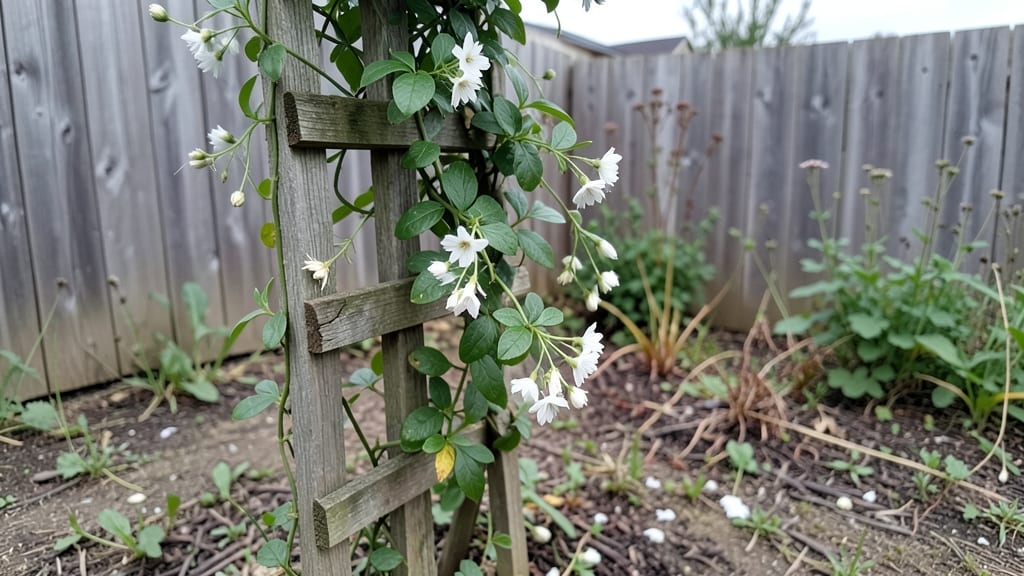
Jasmine blooming season varies by variety and climate, typically occurring in late spring through summer—May to July in temperate zones, while tropical jasmine may flower year-round. Night-blooming varieties peak at dusk for the strongest fragrance, often between June and August in most U.S. regions.
Timing isn't the only factor—humidity and sunlight play huge roles in when jasmine bursts into bloom. 🌸 In my experience, regions with 60-80% humidity and 6-8 hours of direct sunlight daily see the most vibrant displays, while cooler climates might delay flowering until late June or July.
Even then, night-blooming varieties like Arabian jasmine release their signature scent strongest between 8-10 PM, making evening strolls in bloom-heavy areas like Southern California gardens unforgettable.
What’s fascinating is how pruning can actually extend the season—cutting back spent blooms in early spring encourages new growth, sometimes pushing flowering into early August.
I’ve seen gardeners in USDA Zone 9 coax extra blooms by providing afternoon shade during heatwaves, proving that a little intervention can turn a 3-month window into a 5-month fragrance festival. 💫
💡 In This Article
- Factors Influencing Jasmine Flowering Cycles
- Best Regions for Year-Round Jasmine Fragrance
Factors influencing jasmine flowering cycles
The timing of jasmine blooms is primarily controlled by temperature and daylight hours, with ideal ranges creating the perfect conditions for flowering. Most temperate varieties like Jasminum officinale (common jasmine) require 60-75°F daytime temperatures and 14-16 hours of daylight to trigger blooming.
This explains why northern U.S. regions (USDA Zones 5-7) see peak blooms in late June to early July, while southern zones (8-10) experience earlier flowering in May.
The plant's internal clock responds to these cues through a process called photoperiodism, where specific light durations signal the shift from vegetative growth to flowering.
Humidity plays a surprising but critical role—jasmine thrives in 60-80% relative humidity, which keeps petals supple and encourages consistent blooming. In arid climates like Arizona, gardeners often use mist systems to maintain this moisture level, extending the bloom window by 2-3 weeks.
Night-blooming varieties like Jasminum sambac (Arabian jasmine) are particularly sensitive, requiring cool evening temperatures (65-70°F) to fully open their buds and release maximum fragrance. This is why coastal regions with mild nights often produce the most intensely scented blooms.
Variety selection dramatically impacts bloom timing—Jasminum grandiflorum (Spanish jasmine) typically blooms 2-3 weeks later than Jasminum polyanthum (Pink jasmine) due to its slightly cooler temperature requirements.
Tropical varieties like Jasminum sambac can flower year-round in USDA Zone 11 or higher, but even these respond to seasonal cues in cooler climates.
The key difference lies in their vernalization requirements—some varieties need a brief cold period (40-50°F for 4-6 weeks) to break dormancy, while others bloom continuously when temperatures stay above 55°F.
Pruning techniques can artificially extend blooming periods by up to 50% through strategic timing. Cutting back 1/3 of the plant's growth in early spring (March) removes old wood and stimulates new shoots that bloom earlier.
For continuous flowering, a light pruning every 6-8 weeks maintains bushiness and encourages staggered blooming cycles. This explains why professionally maintained jasmine hedges in Southern California often flower from April through September—far beyond the typical 3-month window seen in unpruned plants.
Regional microclimates create fascinating variations—San Diego's coastal climate (Zone 10) produces blooms 1-2 months earlier than inland areas just 50 miles away due to ocean temperature moderation.
Similarly, Florida's humidity allows Jasminum sambac to flower year-round in Zone 11, while the same variety in Zone 9 will have a 6-month bloom cycle (spring through fall). Understanding these regional nuances lets gardeners select varieties and care methods that maximize both bloom quantity and fragrance intensity.
What most gardeners overlook is how soil composition affects flowering—jasmine prefers well-draining, slightly acidic soil (pH 6.0-6.5) rich in organic matter. Poor drainage causes root stress, delaying blooms by 3-4 weeks as the plant focuses on survival rather than reproduction.
This is why container-grown jasmine often blooms 2 weeks later than in-ground plants—the restricted root zone limits nutrient uptake. 🌿
The science behind night-blooming fragrance reveals an evolutionary adaptation: Jasminum sambac releases 90% of its scent between 8 PM and midnight to attract nocturnal pollinators like moths. This explains why evening garden walks in bloom-heavy areas produce that signature intoxicating aroma—the plant's natural perfume machine is in full swing.
For gardeners wanting to maximize fragrance, planting near porches or patios ensures you're in the prime scent zone during peak bloom hours.