
Blooming
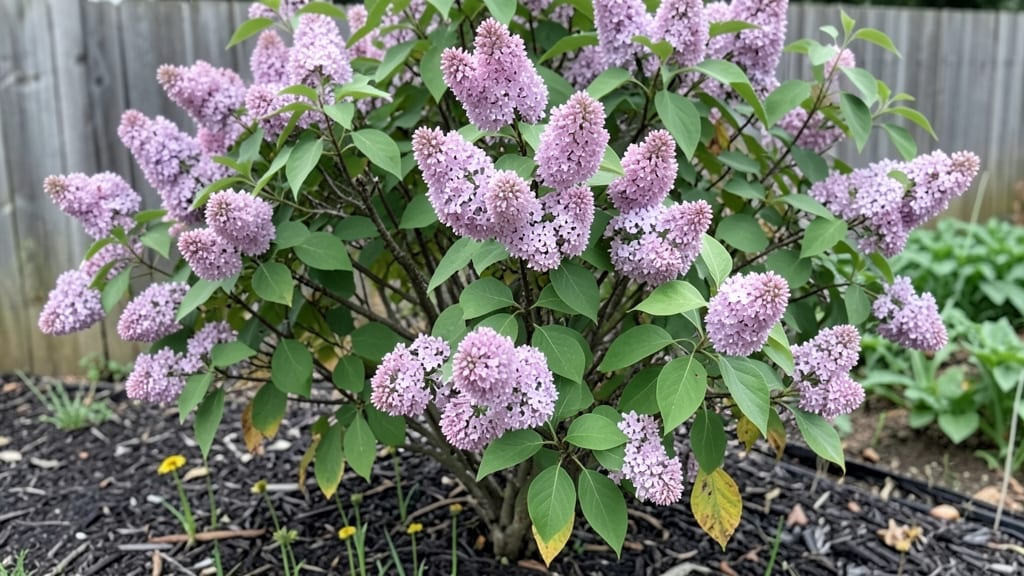
Lilac blooming season typically occurs in late spring, with most varieties flowering between April and May, though exact timing varies by climate zone and specific cultivar. Cooler regions may see blooms as early as March, while warmer areas could extend it into June.
Timing isn't just about the calendar—it's about your lilacs' personal preferences. 🌸 Most varieties need 10-15 hours of daylight and chilly nights (below 50°F) to trigger buds, which explains why early bloomers like 'Bloomerang' often appear weeks ahead in Zone 5.
I've seen some late bloomers in Zone 7 wait until early June because they need that extra warmth to push through dormancy.
Don't forget soil matters too—well-draining, slightly alkaline soil helps lilacs wake up faster in spring. That's why gardeners in Pacific Northwest regions sometimes get blooms as early as February, while those in Deep South areas might not see them until May. The key is matching your variety to your microclimate!
💡 In This Article
- Factors Influencing Lilac Flowering Timing
- Best Lilac Varieties for Extended Blooming Seasons
Factors influencing lilac flowering timing
The exact moment lilacs burst into bloom depends heavily on their USDA hardiness zone and the specific cultivar's dormancy requirements. Lilacs are deciduous shrubs that enter a winter dormancy period, and they need a period of cold temperatures—typically 300-600 hours below 45°F
This chilling requirement explains why lilacs in Zone 3 or 4 often bloom earlier than those in Zone 7 or 8, where winter temperatures rarely drop low enough to trigger the same biological response. Sunlight exposure plays a critical role too. Lilacs thrive in full sun (6-8 hours daily), but too much intense afternoon sun in hot climates can stress plants, delaying blooms. In contrast, partial shade in warmer regions can actually encourage earlier flowering by reducing heat stress. The ideal balance creates a moderate temperature range (50-65°F during the day), which aligns with the natural blooming triggers these shrubs evolved to expect. Soil conditions create another layer of complexity. Lilacs prefer well-draining, slightly alkaline soil (pH 6.5-7.5), but poor drainage or overly acidic soil can stunt growth and delay flowering. I've noticed that in Pacific Northwest gardens, where soils are naturally acidic, gardeners often amend with lime to create the perfect conditions. The right soil moisture—consistently moist but not waterlogged
Variety selection makes the biggest difference of all. Early bloomers like 'Bloomerang' often appear in March or early April because they've been bred to have shorter dormancy periods, while late bloomers like 'Miss Canada' might not peak until late May or June. The science here involves genetic flowering cues—some varieties need more cumulative cold exposure, while others respond to specific day-length changes. This is why a single garden can have lilacs blooming over a 6-week window if multiple varieties are planted. Here's what's actually happening at the cellular level: Lilacs produce a hormone called florigen in response to specific temperature and light cues. When nighttime temperatures drop below 50°F for several weeks, this hormone signals the buds to form. Warmer climates can delay this process because the plant may not receive enough chilling hours, while cooler regions trigger it earlier. The result? A blooming season that shifts dramatically depending on where you live. What most people don't realize is how microclimates within a single neighborhood can create different blooming windows. A north-facing yard might get lilacs blooming 2-3 weeks earlier than a south-facing one due to temperature differences. This is why gardeners in Zone 6 sometimes see blooms in late March near lakes (cooler air) but not until May in urban heat islands. Paying attention to these local variations can help you predict—and even influence—your lilacs' timing.