
Blooming
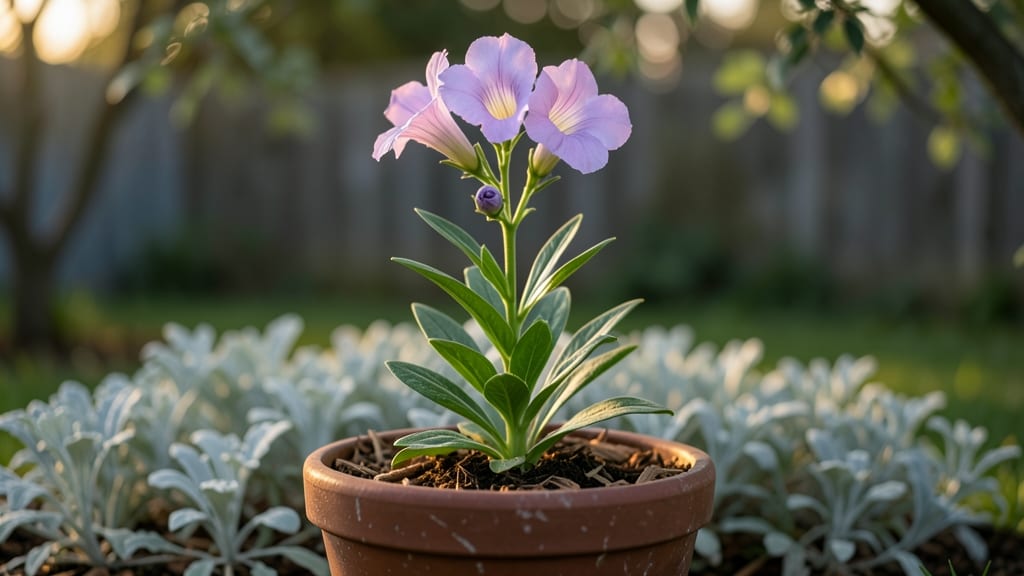
Lisianthus blooms when the heat hits just right 🌸 — timing its stunning, rose-like flowers to summer’s warmth with precision that can frustrate even the most patient gardener.
If you’ve ever waited through weeks of warm days only to see buds drop without opening, you’re not alone. This plant doesn’t bloom on a calendar; it responds to temperature cues, and missing the window means missing the show.
But understanding its heat-triggered stages by variety and zone can turn that frustration into a predictable parade of color.
In zones like 6a, where spring planting kicks off in March, lisianthus typically unfurls its petals between July and September, aligning with the dog days of summer.
Cooler regions may need a head start indoors, while heat-loving varieties in the South might bloom earlier—or even twice if conditions stay ideal.
Below, I’ll break down how to read your climate’s heat signals, adjust planting schedules for your zone, and coax those second flushes of blooms when the first wave fades. No more guessing—just guaranteed 🌸.
How heat triggers lisianthus bloom time by variety
Lisianthus relies on heat cues to trigger its stunning blooms, with each variety responding to slightly different temperature thresholds. Understanding these patterns helps you time plantings and care strategies for maximum flower production.
For example, 'Twinkle Pink' thrives in 65-75°F ranges, while 'Blue Magic' prefers 70-80°F for consistent blooming.
Most lisianthus varieties need consistent warmth after germination to develop buds. If temperatures drop below 55°F during growth, blooms may fail to open or produce only sparse flowers. This is why gardeners in cooler zones often use row covers or greenhouses to extend the growing season.
Here’s how heat exposure directly influences bloom timing by variety, including early, mid, and late-season performers:
Early bloomers like 'Twinkle Pink' respond fastest to gentle heat increases, making them ideal for cool-season gardens. In contrast, late-season varieties such as 'Purple Haze' need prolonged warmth to initiate flowering, often requiring extended summer plantings in cooler climates.
To manipulate heat exposure for extended blooming, I recommend using black plastic mulch in early spring to warm soil faster. For varieties like 'Blue Magic', which prefer warmer nights, consider row covers during cooler evenings to maintain ideal temperatures.
Another trick is succession planting. By staggering plantings every 2-3 weeks in spring, you create a continuous bloom cycle. For example, plant 'Twinkle Pink' in early April for June blooms, then follow with 'Purple Haze' in late May for August-September flowers.
Watch for heat stress signs like drooping leaves or yellowing buds, which indicate temps are too high. In these cases, provide afternoon shade with shade cloth (30-50%) to protect flowers without reducing light exposure entirely.
For container growers, choose heat-tolerant varieties like 'Lavender Showers' and place pots in south-facing locations. Use light-colored containers to reflect excess heat and self-watering systems to maintain consistent moisture during heatwaves.
Remember, lisianthus needs both heat and consistency. Sudden temperature swings can delay blooming or cause buds to abort. By matching your variety choice to your local climate and adjusting care strategies, you’ll unlock prolonged, vibrant blooms all season long.
Optimal growing zones and bloom timing adjustments
Lisianthus thrives in USDA hardiness zones 6-11, but its bloom timing shifts dramatically based on your zone. In warmer zones (9-11), lisianthus often blooms year-round with proper heat exposure, while cooler zones (3-6) require strategic adjustments to mimic summer conditions.
The key difference lies in whether your lisianthus is a cold-start or heat-start variety—each responds differently to seasonal temperature shifts.
For gardeners in zones 3-5, where summers are short, heat-start varieties like 'Twinkle Series' are ideal—they need consistent warmth (70-85°F) to trigger blooming. In contrast, zones 7-10 can grow both cold-start and heat-start types, but heat-start varieties will bloom earlier and more prolifically when planted in spring.
Understanding these patterns helps you align planting with your local climate for maximum blooms.
| Zone | Bloom Window | Heat Requirement | Adjustment Tip |
|---|---|---|---|
| 3-5 | June–August (short season) | 70-85°F (heat-start) | Use row covers or black plastic mulch to warm soil |
| 6-7 | May–September | 65-80°F (mixed types) | Plant heat-start varieties in spring for earliest blooms |
| 8-10 | March–November | 60-85°F (all types) | Succession plant for continuous blooms |
| 11 | Year-round (with care) | 75-90°F (heat-start) | Provide afternoon shade in peak summer |
In cooler zones (3-6), I’ve found that using black plastic mulch or row covers can raise soil temperatures by 5-10°F, mimicking the heat needed to trigger blooming.
For example, in zone 5, planting lisianthus under a low tunnel in early May can extend the bloom season by 3-4 weeks. Meanwhile, gardeners in zones 8-10 can take advantage of longer growing seasons by planting heat-start varieties in late winter for early summer blooms.
Another trick for cooler climates is to start seeds indoors 8-10 weeks before your last frost date, then transplant hardened-off seedlings into the garden once nighttime temperatures consistently stay above 55°F.
This early start gives lisianthus a head start on heat accumulation, ensuring blooms appear when outdoor conditions are ideal. For zone 4 gardeners, this might mean blooms as early as late June instead of August.
If you’re in a warmer zone (9-11), the challenge shifts to preventing heat stress during peak summer months. Providing afternoon shade with shade cloth (30-50%) can protect lisianthus from wilting while still allowing enough light for blooming.
In these zones, I’ve also had success with succession planting—staggering plantings every 4-6 weeks—to ensure a continuous display of flowers from spring through fall.
Regardless of your zone, consistent moisture is critical for lisianthus bloom time. Let the top inch of soil dry between waterings, but avoid letting plants sit in soggy soil, which can delay blooming.
In dry climates, mulching with straw or wood chips helps retain soil moisture and temperature, creating the ideal conditions for lisianthus to thrive and bloom on schedule.