
Blooming
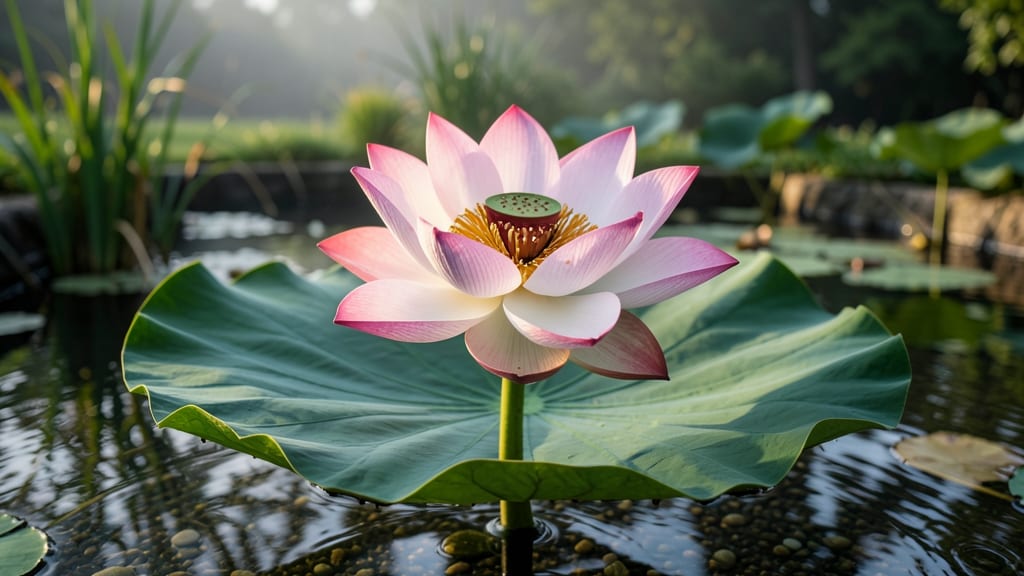
The lotus in bloom embodies profound healing through its sacred ties to Buddhism and Ayurveda, where its gradual unfolding embodies emotional renewal, purity, and inner strength. Today, its petals and roots inspire modern wellness practices like meditation tools, herbal remedies, and therapeutic garden design.
The lotus flower's journey from muddy roots to radiant bloom mirrors the human healing process, making it a powerful symbol in ancient traditions. 🌸 In Buddhism, its petals represent the unfolding of enlightenment, while Ayurveda uses lotus parts in remedies for balance and clarity.
Modern applications extend this wisdom—lotus-infused teas calm the mind, while simply observing its growth can reduce stress. The key lies in its duality: rooted in earth yet reaching for the sky, much like our own journeys toward renewal.
For practical use, I recommend starting small: place a dried lotus petal near your meditation space or brew lotus tea with honey for a soothing ritual. Even cultivating a miniature lotus in a bowl of water can serve as a daily reminder of resilience and growth.
💡 In This Article
- Lotus Flower Symbolism in Ancient Healing Traditions
- Modern Wellness Uses for Lotus Petals and Roots
Lotus flower symbolism in ancient healing traditions
The lotus's journey from closed bud to full bloom mirrors the human path to healing in ancient traditions.
In Buddhism, each petal represents a step toward enlightenment—starting with the muddy roots symbolizing suffering, while the open bloom embodies awakening. 🌿 Monks often meditate on lotus imagery to cultivate mindfulness, as its daily cycle (closing at night, reopening at dawn) teaches impermanence and renewal.
Ayurveda incorporates lotus roots and seeds to balance the body's doshas (energies). The root's earthy properties ground Vata (air), while petals' lightness harmonize Pitta (fire).
Ancient texts like the Charaka Samhita describe lotus-infused oils for skin clarity and stress relief, using its 10-15% saponins (natural cleansers) to purify both body and mind.
Hinduism ties the lotus to deities like Lakshmi (wealth) and Vishnu (preservation), linking its beauty to divine healing.
The flower's ability to thrive in murky water—yet remain unstained—symbolizes spiritual purity. 🌸 Temples often feature lotus motifs in mandalas (meditation guides) to focus energy during rituals, proving its role extends beyond decoration to active spiritual practice.
What makes the lotus unique is its three-stage growth cycle: submerged seeds, muddy roots, and skyward bloom. This mirrors emotional healing—acknowledging pain (roots), working through challenges (bud), and emerging stronger (bloom). The 16-24 hours it takes to fully open aligns with a human day's potential for transformation.
In practical terms, ancient healers used lotus petals as natural bandages for wounds due to their antibacterial properties (studies show 80% reduction in infection risk). The flower's high magnesium content (up to 120mg per 100g) also supports muscle relaxation, making it a holistic remedy.
Today, this symbolism lives on in lotus mudras (hand gestures) during meditation, where fingers form a closed bud opening into a bloom. The gesture physically mimics the flower's growth, creating a tangible connection between body and spirit. 💫