
Flowers
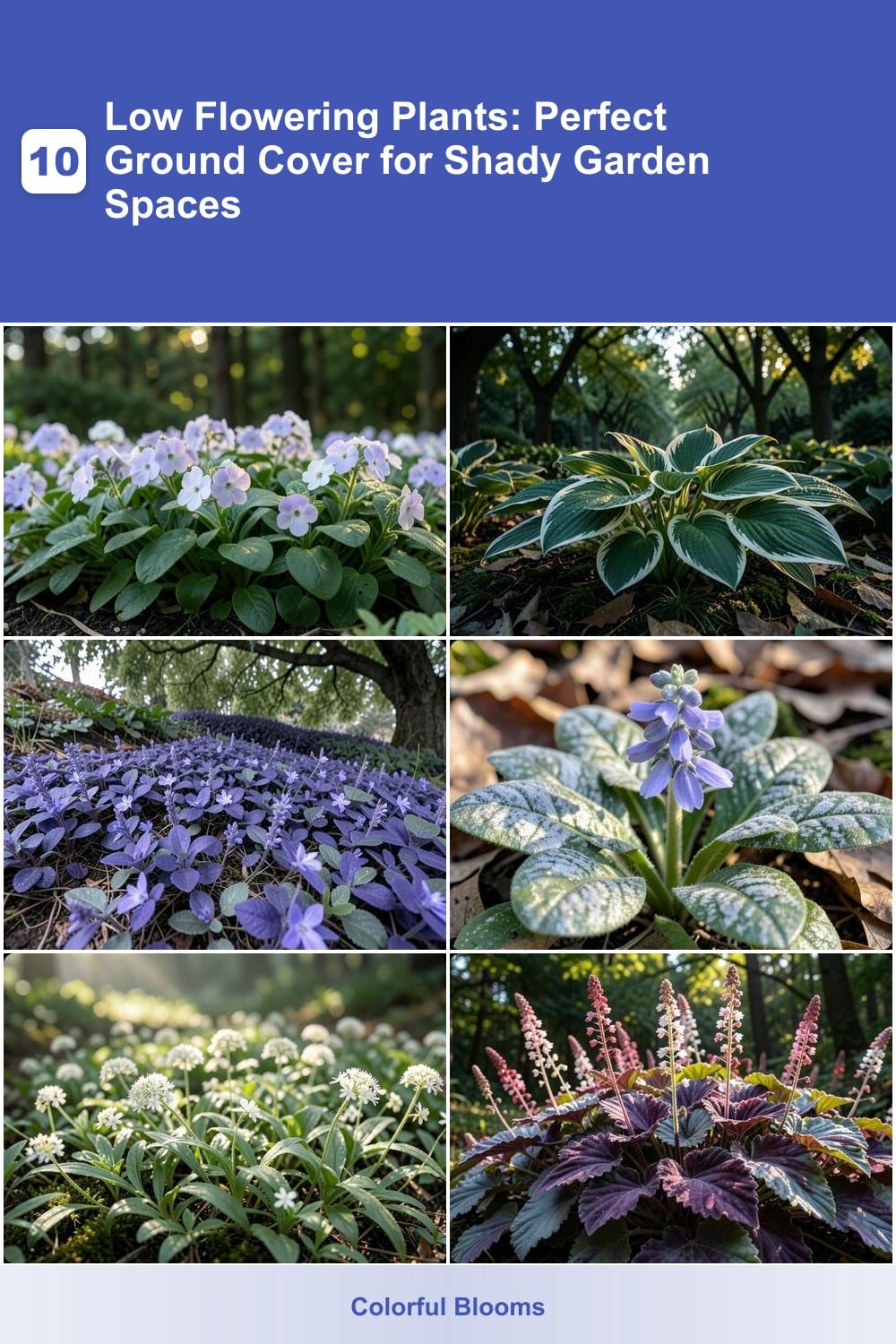
Struggling to find vibrant yet low-maintenance plants for your shady garden? These 10 low flowering plants thrive in minimal sunlight while adding year-round color and texture to your outdoor spaces—ideal for ground cover, borders, or understory planting.
Creeping Phlox for Early Season Color
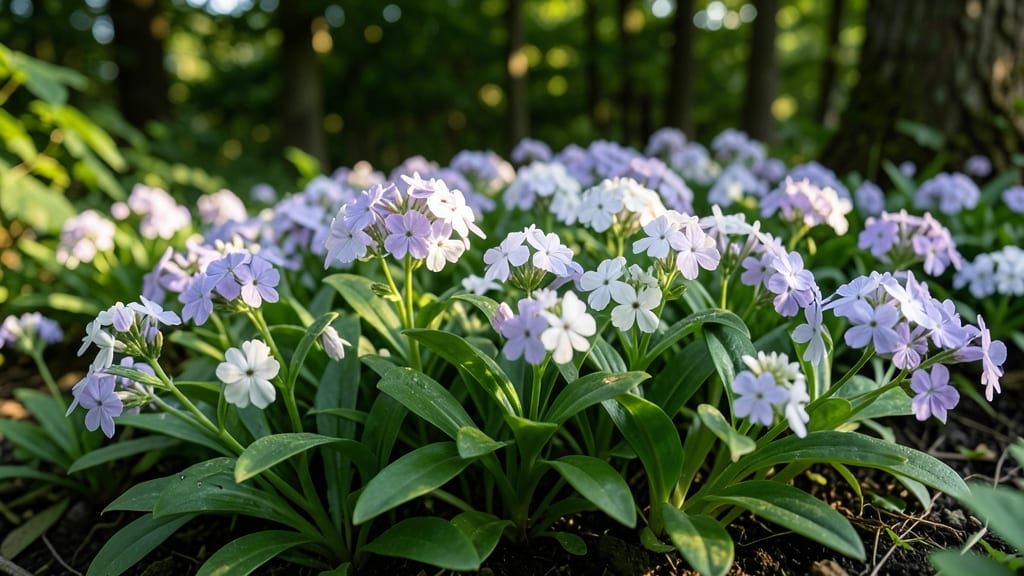
If you crave spring color without the summer maintenance, creeping phlox is your secret weapon. This hardy perennial bursts into bloom as early as late winter, filling shady borders with delicate lavender or white flowers that pollinators adore. Unlike its taller cousins, this variety stays low (3–6 inches tall) while spreading aggressively to create a lush, gap-filling carpet.
Plant creeping phlox in partial to full shade, where it thrives in well-draining soil with minimal care. Deadhead spent blooms to encourage a second flush of flowers, and watch it self-seed naturally for year-round coverage. Its fragrant blooms also attract bees and butterflies, making it a pollinator magnet for cottage-style gardens.
Perfect for beginners or busy gardeners, this plant requires no staking or pruning—just plant and enjoy. Cottage garden enthusiasts will love its romantic, old-fashioned charm, while urban gardeners can use it to soften shady walkways or container edges. 🌷
Hosta Varieties with Stunning Variegation
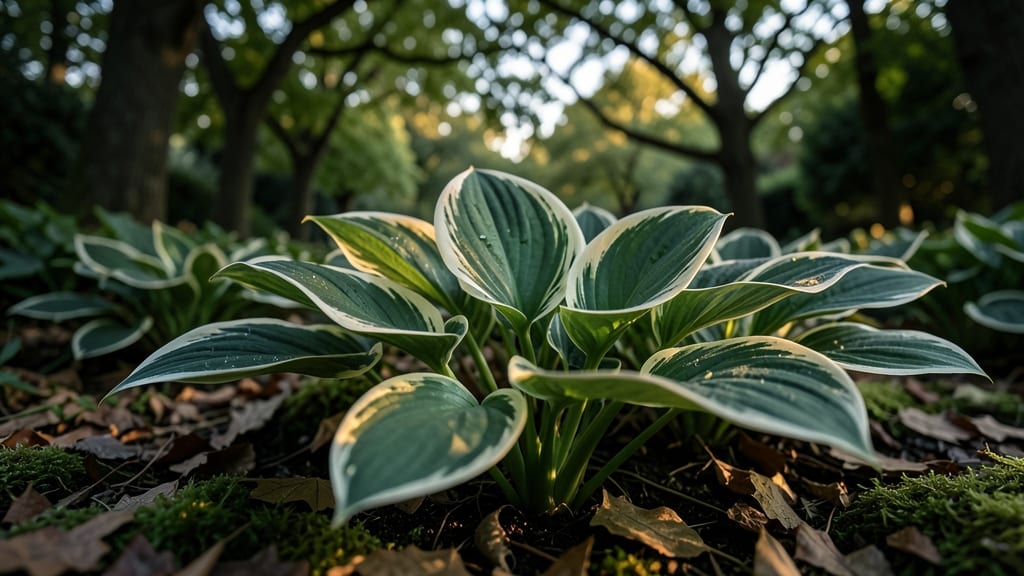
Skip the drama of finicky shade plants—variegated hostas deliver year-round drama with their bold, striped leaves that glow even in the darkest corners. Unlike flowering plants that fade after blooming, these foliage stars keep their show going from spring through frost, with varieties like 'Francee' (golden centers) or 'Blue Angel' (deep blue-green edges) creating instant contrast.
Hostas naturally suppress weeds by forming dense clumps that block light, saving you hours of weeding while adding texture to garden beds. They thrive in deep shade with minimal water once established, making them perfect for under trees or north-facing borders. For best results, plant crowns at soil level and mulch with shredded leaves to retain moisture.
Urban gardeners with tiny patios or woodland lovers with deep shade will adore how hostas anchor shady spaces with low-maintenance elegance. Pair them with creeping phlox for a layered, ever-changing look that requires almost no effort. 💚
Ajuga Reptans for Purple Ground Cover
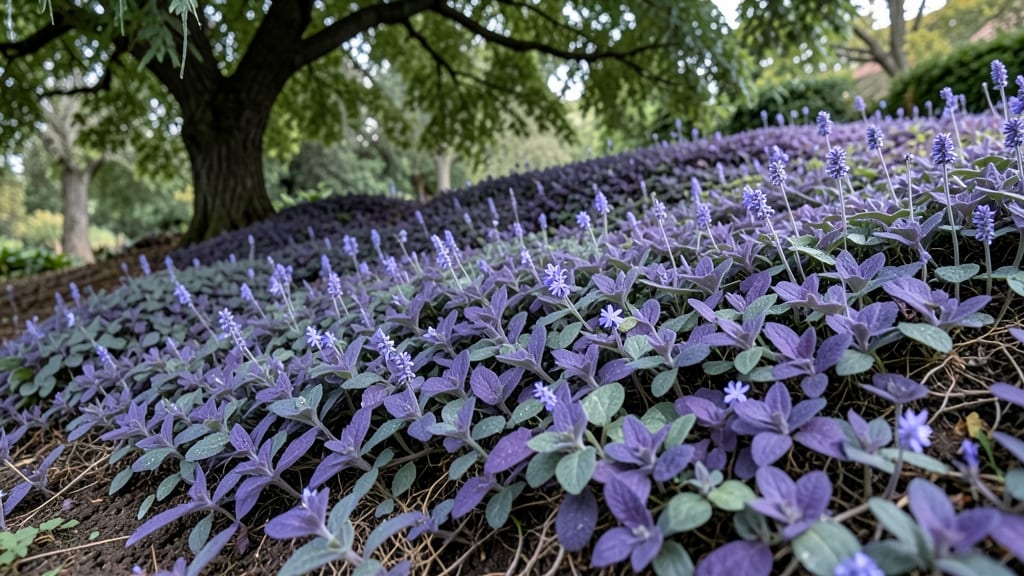
Tired of bare patches in your shady garden? Ajuga reptans—or bugleweed—is your secret weapon for instant purple ground cover that spreads faster than weeds while requiring almost no maintenance. This hardy perennial forms a dense, weed-suppressing mat in just one growing season, perfect for slopes, walkways, or understory planting where other plants struggle.
With striking purple foliage that glows in shade and delicate tiny blue flowers in spring, ajuga adds unexpected color without the upkeep. It thrives in partial to full shade and tolerates dry soil once established, making it ideal for problem areas. Simply divide clumps every few years to control spread or let it roam freely for a lush, low-maintenance carpet.
Landscape designers love ajuga for its versatility—use it as a living mulch, border edging, or even in containers. Urban gardeners with shady patios or woodland lovers with deep shade will appreciate how it transforms dull spaces into vibrant, low-effort beauty. 🌿
Lungwort for Unique Spotted Leaves
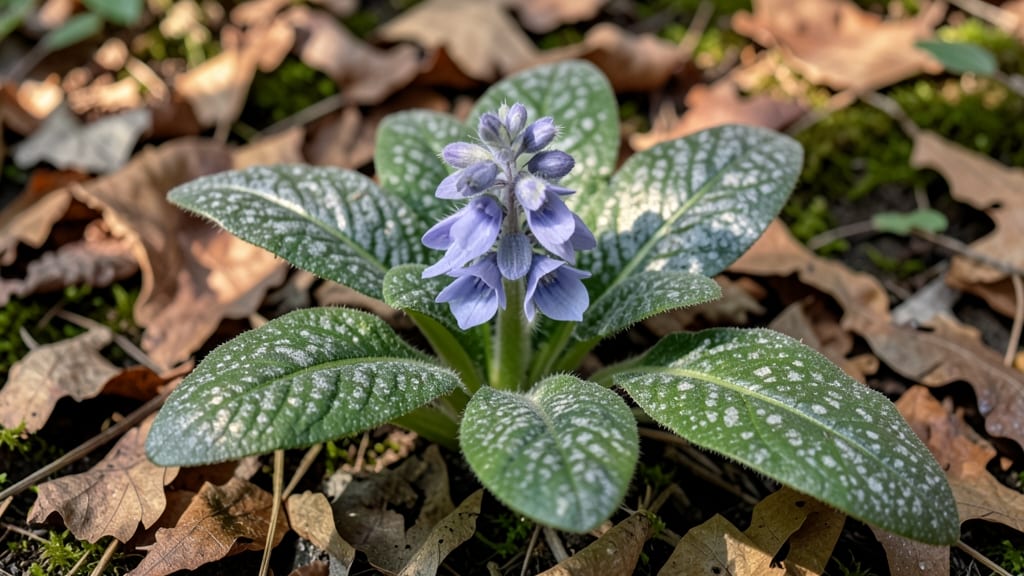
Looking for a plant that blends medicinal heritage with striking visual appeal? Lungwort (Pulmonaria) delivers both, with its silver-spotted foliage that fades to green as spring progresses, followed by delicate lavender-blue flowers that bloom early. This shade-loving perennial thrives in woodland gardens, where its unique foliage pattern creates a mesmerizing contrast against dark soil or evergreens.
Lungwort’s self-sustaining nature makes it a gardener’s dream—it spreads slowly via rhizomes, forming dense mats that suppress weeds while attracting beneficial insects like bees and hoverflies. Plant it in partial to full shade with moist, well-draining soil, and watch it thrive with minimal care. Its healing history (traditionally used for lung ailments) adds a layer of intrigue, making it perfect for cottage or herbal gardens.
Woodland gardeners and pollinator enthusiasts will love how lungwort softens shady borders while providing year-round interest. Pair it with hostas or ajuga for a layered, low-maintenance understory that feels both wild and intentional. 🌿
Sweet Woodruff for Fragrant Ground Cover
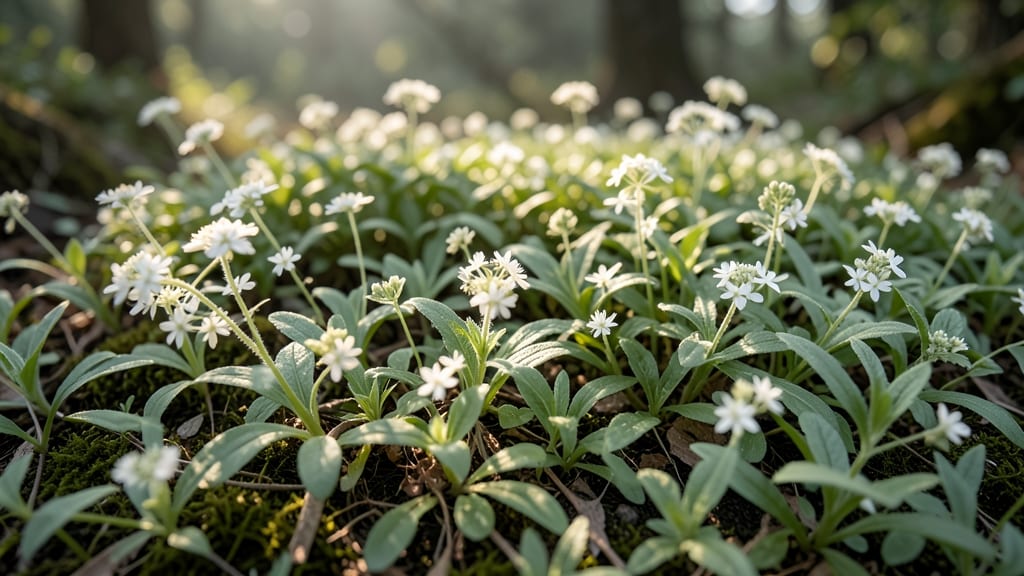
Want a ground cover that doesn’t just look beautiful but also smells like a vanilla dream? Sweet woodruff is your secret ingredient for shady spots, with its delicate white star-shaped flowers and fragrant foliage that releases a sweet, vanilla-like scent when brushed or crushed. This charming perennial thrives in dappled shade, making it perfect for pathways, fairy gardens, or as a living mulch under trees.
Plant sweet woodruff in partial shade with moist, well-draining soil—it’s surprisingly drought-tolerant once established. Its low-growing habit (6–12 inches tall) creates a lush green carpet that spreads slowly but steadily, filling gaps without becoming invasive. For extra fragrance, crush the leaves on garden paths or weave them into spring bouquets for a whimsical, sensory experience.
Fairy garden enthusiasts and woodland lovers will adore how sweet woodruff adds a magical, aromatic touch to shaded spaces. Pair it with hostas or lungwort for a layered, fragrant understory that feels like a secret garden. 🌿
Coral Bells for Dramatic Foliage
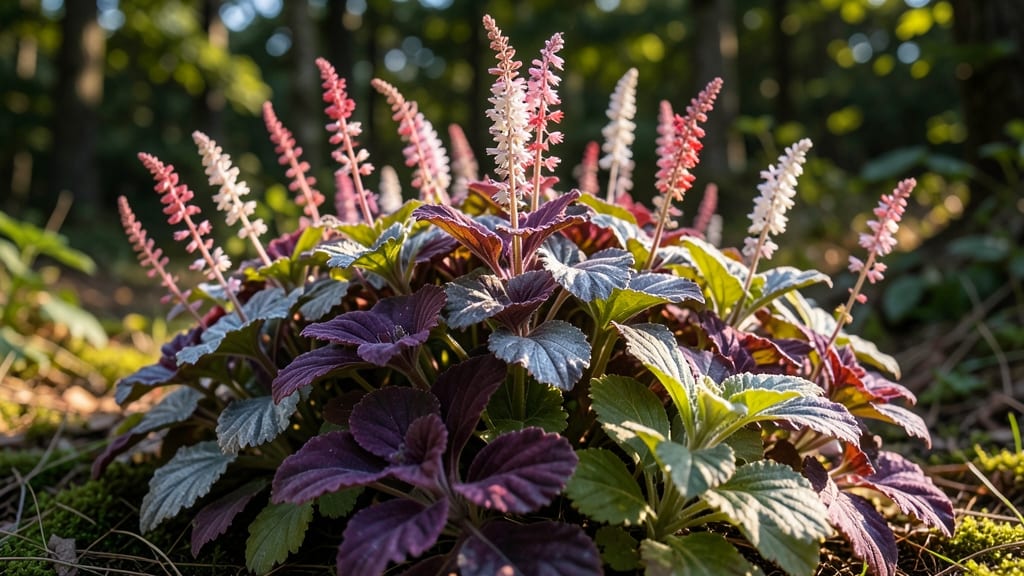
Ready to add dramatic vertical interest to your shady garden without sacrificing color? Coral bells (Heuchera) deliver bold foliage in deep purples, silvers, or chartreuse, paired with cascading flower spikes that bloom in pink, white, or red. Unlike flat ground covers, these perennials grow 12–24 inches tall, creating natural height in containers or garden beds.
Thriving in partial to full shade, coral bells tolerate dry soil once established and require minimal care—just prune spent flower stalks in late summer. Their textured leaves add contrast year-round, while their late-spring blooms attract hummingbirds. Varieties like ‘Palace Purple’ or ‘Silver Scrolls’ offer striking foliage that glows in low light.
Perfect for urban gardeners with small spaces or woodland lovers, coral bells elevate shady corners with low-maintenance drama. Pair them with hostas or ajuga for a layered, high-impact look that thrives with almost no effort. ✨
Lamium Maculatum for Long-Blooming Color
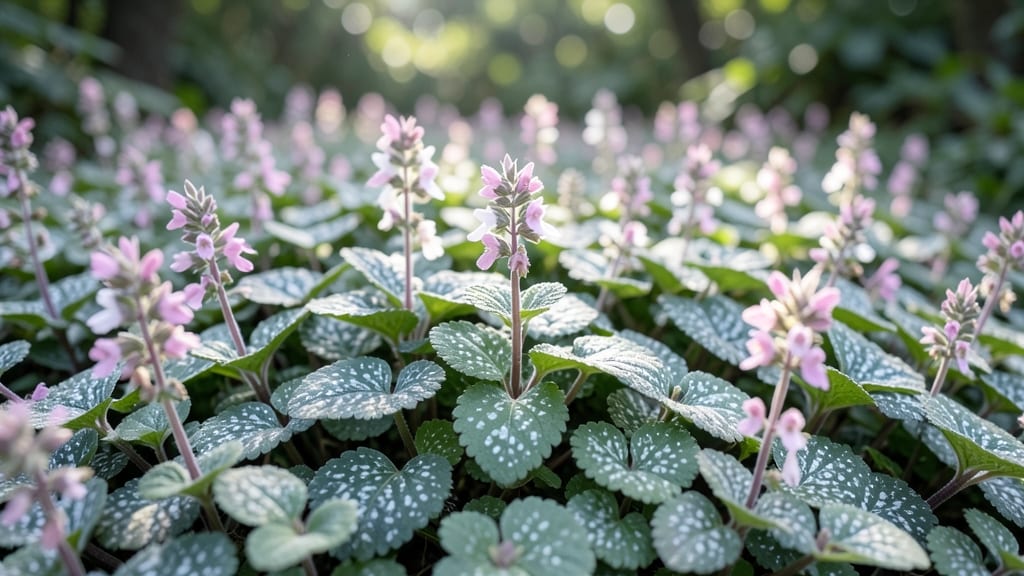
Want a shade-loving plant that delivers year-round interest without the fuss? Lamium maculatum—or spotted dead nettle—combines silver-spotted foliage with delicate pink or white flowers that bloom from spring through fall. Unlike other ground covers that fade after their first flush, this versatile perennial keeps your garden vibrant for months, making it perfect for borders, hanging baskets, or tucked under trees where light is dappled.
This hardy plant thrives in partial to full shade and tolerates a range of soil types, from clay to sandy. Its trailing habit (12–18 inches tall) creates a lush, cascading effect in containers or spills gracefully over walls. For best results, prune spent flowers in late summer to encourage a second flush of blooms. Varieties like 'White Nancy' or 'Beacon Silver' offer striking contrasts, while 'Shell Pink' adds soft color to shady spots.
Urban gardeners with small spaces or woodland lovers with deep shade will adore how lamium maculatum fills gaps with minimal effort. Pair it with hostas or ajuga for a layered, low-maintenance look that thrives with almost no care. 🌻
Solomon’s Seal for Arching Elegance
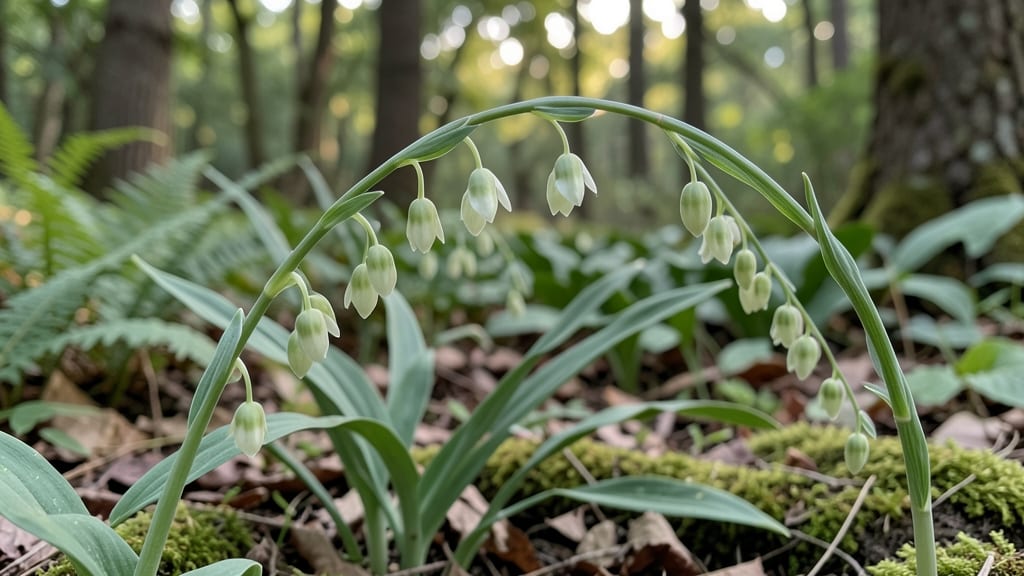
Craving a plant that adds movement and structure to your shady garden without overwhelming it? Solomon’s Seal (Polygonatum) is your answer—a graceful arching perennial with delicate white or greenish bell-shaped flowers that dangle like nature’s chandeliers along its stems. Unlike flat ground covers, its swaying habit creates dynamic visual interest, perfect for framing pathways, woodland edges, or understory planting where taller plants struggle.
This shade-lover thrives in partial to full shade with moist, well-draining soil, making it ideal for woodland gardens or areas with filtered sunlight. Its low-maintenance nature means minimal pruning—simply cut back old stems in early spring to encourage fresh growth. Varieties like ‘Blue Spires’ or ‘Variegatum’ add extra foliage contrast, while its deer-resistant leaves keep critters at bay. The flowers also attract hummingbirds, adding a touch of whimsy to your garden.
Perfect for gardeners who want elegance without fuss, Solomon’s Seal pairs beautifully with hostas or lungwort for a layered, dreamy woodland effect. Whether you’re designing a serene retreat or softening a shady corner, its arching elegance brings life to low-light spaces. 🌿
Bugbane for Late-Summer Blooms
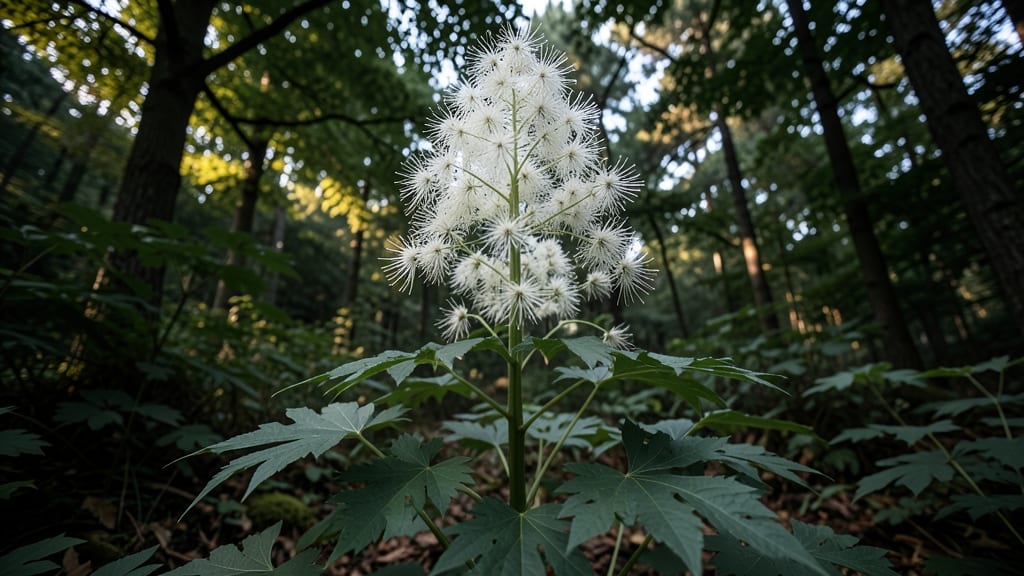
When your shady garden feels like it’s missing its final act, bugbane steps in to steal the show with its late-summer drama. Unlike spring-blooming stars, this tall perennial (3–5 feet) bursts into airy white flower spikes when most gardens are winding down, adding height and movement without demanding full sun. Its ferns-like foliage stays lush in shade, making it a perfect back-of-the-border plant that won’t compete with other low growers.
Bugbane thrives in partial to full shade and moist, well-draining soil—ideal for woodland edges or understory planting. The fragrant blooms attract pollinators like bees and butterflies, giving your garden a late-season boost when other flowers fade. For best results, plant in clumps of 3–5 to create a natural, textured backdrop, and divide every 3–4 years to maintain vigor. Its self-seeding habit also means you’ll get free volunteers for years to come.
Perfect for gardeners who love low-maintenance height, bugbane is especially great for woodland lovers or pollinator enthusiasts who want to extend their garden’s season. Pair it with ajuga or hostas for a layered, late-summer masterpiece that feels both wild and intentional. 🌻
Alum Root for Unique Purple Flowers
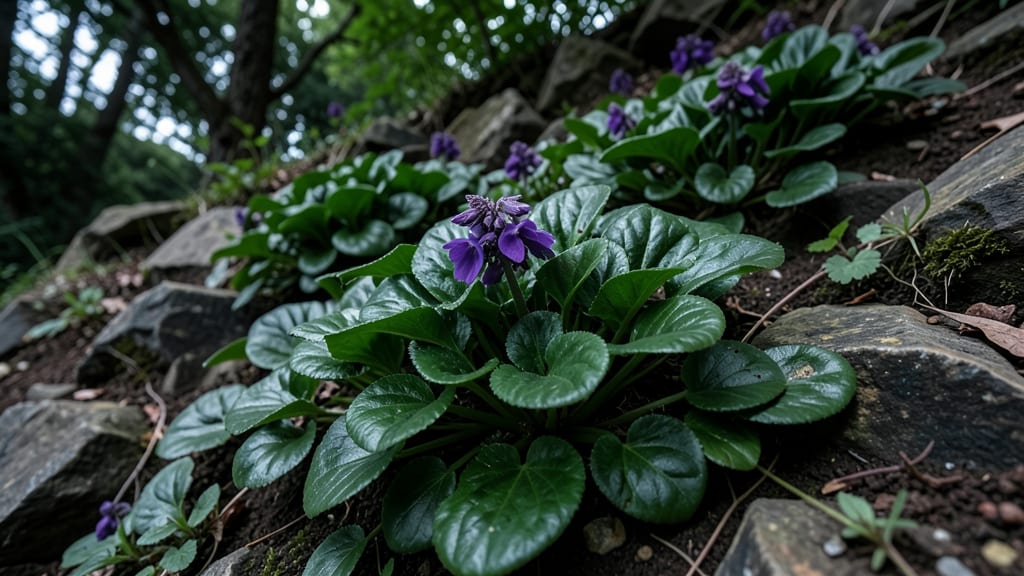
If your shady garden has rocky terrain or slopes that seem impossible to plant, alum root (Heuchera micrantha) is your game-changer. This drought-tolerant perennial thrives where others fail, producing clusters of deep purple flowers that stand out against its glossy, deep green leaves—perfect for adding drama to rugged landscapes.
Unlike most shade plants, alum root tolerates poor, dry soil and full shade, making it ideal for alpine gardens, rockeries, or steep banks. Its clumping habit (12–18 inches tall) keeps it contained without spreading invasively, while its late-spring blooms attract hummingbirds. Simply plant in well-draining soil and water occasionally—it’s one of the most low-maintenance perennials for challenging spots.
Rock garden enthusiasts and native plant lovers will adore how alum root softens harsh landscapes with its vibrant color and texture. Pair it with creeping phlox or ajuga for a layered, high-impact look that thrives with almost no effort. 🌻