
Blooming
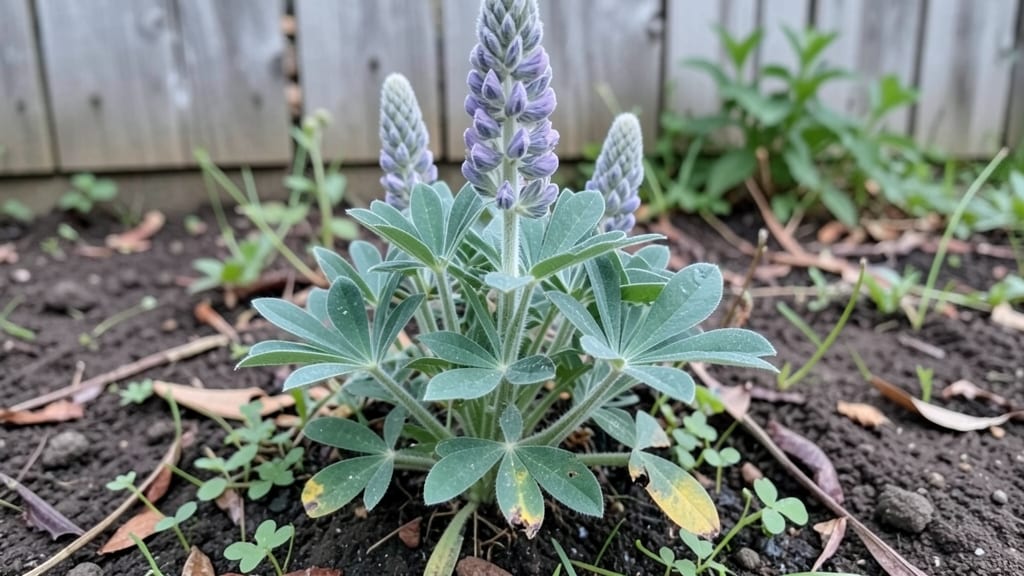
Harvesting lupine before bloom maximizes nutritional value, especially when young shoots reach 6-12 inches tall but remain tender. Pick leaves and stems in early spring for peak protein and mineral content, avoiding seed pods that develop later.
The best time to gather lupine is during its rapid vegetative phase, when the plant focuses all its energy on leaf and stem growth rather than seed production.
This early stage is when protein and mineral content peak, as the plant hasn't yet diverted nutrients toward developing seed pods. 🌱 I’ve found that harvesting in the cooler morning hours preserves the most nutrients, and using sharp scissors just above the base prevents damage to the root system—keeping the plant healthy for future harvests.
Once harvested, lupine leaves can be used fresh in salads or cooked like greens, though many prefer drying them for later use. The key is speed—processing within hours of cutting helps lock in those valuable nutrients before any degradation begins.
For medicinal purposes, some even blend dried lupine into teas or powders, though proper preparation is crucial to avoid bitterness.
💡 In This Article
- Optimal Lupine Growth Stages for Harvesting
- Practical Lupine Harvesting and Preparation Guide
Optimal lupine growth stages for harvesting
Lupine plants undergo two distinct growth phases that dramatically impact their nutritional profile. During the vegetative stage (before flowering), lupine focuses its energy on producing tender leaves and stems rich in protein (20-30% dry weight) and minerals like calcium, magnesium, and potassium.
This is when the plant's nitrogen-fixing root nodules are most active, pulling nitrogen from the air and converting it into amino acids that accumulate in the leaves. The key here is that lupine hasn't yet allocated resources toward seed production, which begins once flowering starts.
The transition to flowering marks a critical shift in nutrient allocation. As lupine plants prepare for reproduction, they redirect up to 40% of their nitrogen reserves toward developing seed pods, significantly reducing the protein content in leaves and stems.
For example, young lupine shoots at 6-12 inches tall contain 28% protein on a dry-weight basis, while mature leaves after flowering drop to 18-22%. This drop isn't just about protein—mineral concentrations also decline as the plant prioritizes seed viability over vegetative growth.
The texture also changes from tender and slightly fuzzy to tougher and more fibrous.
What makes early harvesting so effective is the plant's rapid growth rate during spring. Lupine can grow 1-2 inches per day under ideal conditions, meaning shoots can go from harvest-ready to flowering in just 2-3 weeks.
The window for peak nutrition is narrow—once the first flower buds appear (typically 45-60 days after germination), the plant's nutritional quality begins declining.
This is why experienced foragers often harvest in two successive cuts, taking the first harvest when shoots reach 6 inches and the second when they regrow to 10-12 inches—both before any flowers open.
Here's what's happening at the cellular level: Lupine leaves contain specialized cells called palisade parenchyma that store the majority of their protein and minerals. These cells are most abundant and active during vegetative growth.
When flowering begins, the plant's meristematic cells (growth centers) shift focus to flower and seed development, causing a 30% reduction in leaf cell density. This cellular reorganization explains why lupine harvested before bloom has that signature bright green color and velvety texture—both visual cues of optimal nutritional quality.
The environmental conditions during these growth stages also play a crucial role. Lupine thrives in cool spring temperatures (50-65°F), which slow metabolic processes just enough to concentrate nutrients in the leaves. Warmer conditions accelerate flowering, making timing even more critical.
For instance, in Zone 5 climates, lupine may flower as early as late April, while in Zone 8, the flowering window might extend until June. This regional variation means harvest timing can differ by up to 6 weeks depending on location.
One common misconception is that all lupine varieties have the same nutritional profile at different stages. In reality, blue lupine (Lupinus perennis) maintains higher protein levels longer than yellow lupine (Lupinus luteus), which flowers more aggressively.
For example, blue lupine leaves can remain at 25% protein until 50% flowering, while yellow lupine drops below 20% protein once any flowers appear. This variety-specific behavior explains why some foragers prefer blue lupine for consistent harvests.