
Blooming
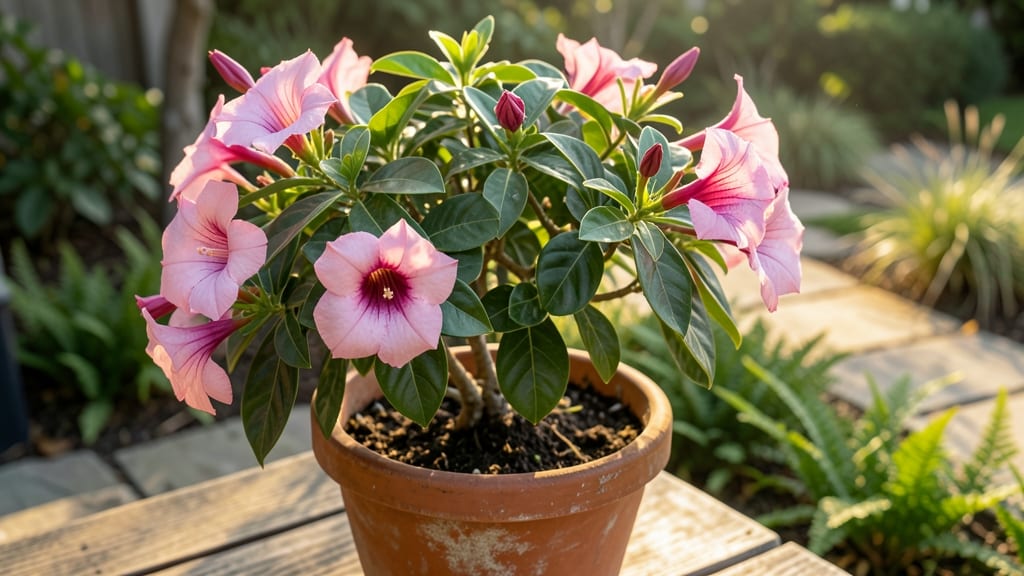
The Mandevilla bloom time depends entirely on heat, variety, and your growing zone — and missing the sweet spot means waiting months for those showstopping 🌸 clusters.
Picture this: your Mandevilla sits in a pot all summer, lush and green, but refuses to bud. Meanwhile, a neighbor’s plant in the same soil is drowning in pink blooms by June. What gives? The answer lies in temperature thresholds and variety selection, not just water or fertilizer.
In General (Tropical/Subtropical) zones 9b-11, Mandevilla often blooms year-round, but in cooler spring months, even the hardiest varieties need a 65°F+ nudge to kickstart flowers.
We’ll break down the exact heat ranges that trigger blooming, which varieties deliver the longest displays, and how to prune or fertilize for a second flush of color.
By the end, you’ll know exactly when to expect those trumpet-shaped blooms, how to troubleshoot delays, and which 3-month vs. 8-month bloomers suit your climate — because with Mandevilla, patience pays off in petals.
How heat triggers Mandevilla bloom time by seasonal stages
Mandevilla plants are tropical divas that thrive on heat, and their bloom cycles are directly tied to temperature shifts. When daytime temps hit 65°F–90°F, your Mandevilla sends signals to produce buds, leading to those show-stopping vibrant flowers.
But timing matters—too much cold or abrupt heat drops can stall blooms entirely. Understanding these stages helps you extend flowering from spring through fall (or year-round in warm zones).
First, let’s break down how heat triggers each bloom stage: dormancy, bud formation, peak flowering, and post-bloom care. Each phase responds differently to temperature, sunlight, and even humidity.
For example, bud formation kicks off when nights stay above 55°F, while peak blooms demand consistent warmth and 6+ hours of sun. Miss these cues, and your plant might skip flowering altogether.
| Seasonal Stage | Temperature Range (°F) | Key Actions | Bloom Duration |
|---|---|---|---|
| Dormancy (Cool Zones) | Below 55°F | Prune back, reduce water, store indoors | 0 months (waiting) |
| Bud Formation | 55°F–65°F (nights) / 70°F+ (days) | Fertilize with phosphorus, ensure full sun | 2–4 weeks |
| Peak Flowering | 65°F–90°F (consistent) | Deadhead spent blooms, water deeply | 3–8 months (varies by variety) |
| Post-Bloom (Late Summer) | Above 75°F (days) / 60°F+ (nights) | Light pruning, reduce fertilizer | 1–2 months (tapering) |
In frost-free zones (USDA 9b–11), Mandevilla can bloom year-round if temperatures stay ideal. But in cooler climates, spring warmth (March–April) is critical for kickstarting buds.
For example, my ‘Alice du Pont’ variety in Zone 8a waits until late May to burst into pink blooms—once daytime highs hit 75°F consistently. If you’re in a transitional zone, container growing lets you move plants to warmer microclimates (like patios or greenhouses) to extend the season.
During bud formation, your Mandevilla needs high-phosphorus fertilizer (like a 10-30-20 blend) to fuel flower production. I’ve found that morning sunlight is key here—it warms the plant gradually without stressing it.
Avoid overwatering during this stage, as soggy roots can delay blooming. Instead, water deeply every 5–7 days and mulch to retain moisture.
At peak flowering, your Mandevilla rewards you with 3–8 months of color, depending on the variety. For instance, ‘Sunset’ Mandevilla blooms from June to October in my garden, while ‘Amabilis’ stretches blooms into November if temps stay mild.
To prolong blooms, deadhead spent flowers weekly and avoid heavy pruning—this encourages new growth and more buds. Also, watch for aphids or spider mites, which thrive in hot conditions and can stress the plant.
As summer fades, post-bloom care shifts focus to preparing for dormancy (in cooler zones). Reduce fertilizer to half-strength and prune lightly to remove dead growth. If you’re in a warm winter zone, your Mandevilla may bloom sporadically even in December—just keep it well-watered and protected from cold winds.
In Zone 7 or colder, dig up containers and store them indoors
Top 5 Mandevilla varieties ranked by bloom duration and heat tolerance
Choosing the right Mandevilla variety can transform your garden from a seasonal color flash to a year-round floral spectacle. Heat-loving natives like these thrive when temperatures stay above 65°F (18°C), but some varieties stretch blooms across 8+ months in ideal conditions.
Let’s compare the top performers based on bloom duration and heat resistance.
Not all Mandevillas are created equal—some prioritize longer bloom seasons while others dazzle with brighter colors but fade faster in heat. If you live in USDA zones 9b–11, you’ll find varieties that flower year-round with minimal effort. For cooler climates, container-growing extends their season dramatically.
At the top of the list is 'Alice du Pont', a pink powerhouse that blooms 6–8 months in warm climates. Its heat tolerance is legendary—it handles 100°F+ with ease, making it perfect for Southern gardens or container displays.
Pair it with 'Amabilis', a creamy-white variety that blooms 5–7 months and thrives in partial shade, ideal for patio trellises.
'Sunset Hybrid' steals the show with bi-color blooms (orange-yellow) and a 7-month bloom cycle. It’s slightly less heat-tolerant than 'Alice du Pont' but compensates with bold, tropical vibes. For compact gardens, 'Cherub' offers 3–5 months of pink-purple blooms and stays under 3 feet tall, perfect for balcony planters.
Lastly, 'Raspberry Ice' delivers 5–6 months of raspberry-pink blooms with frost resistance up to 28°F (-2°C), making it the best choice for USDA zone 9a gardeners.
All five varieties reward consistent moisture and balanced fertilizer (10-10-10) for peak performance, but 'Alice du Pont' and 'Sunset' demand the most sunlight (6+ hours daily).
Pro tip: Prune spent blooms every 2–3 weeks to encourage continuous flowering. In cooler zones, move potted varieties indoors before 50°F (10°C) nights to preserve blooms through winter. With the right variety, your Mandevilla can outshine seasonal flowers all year! 🌿