
Blooming
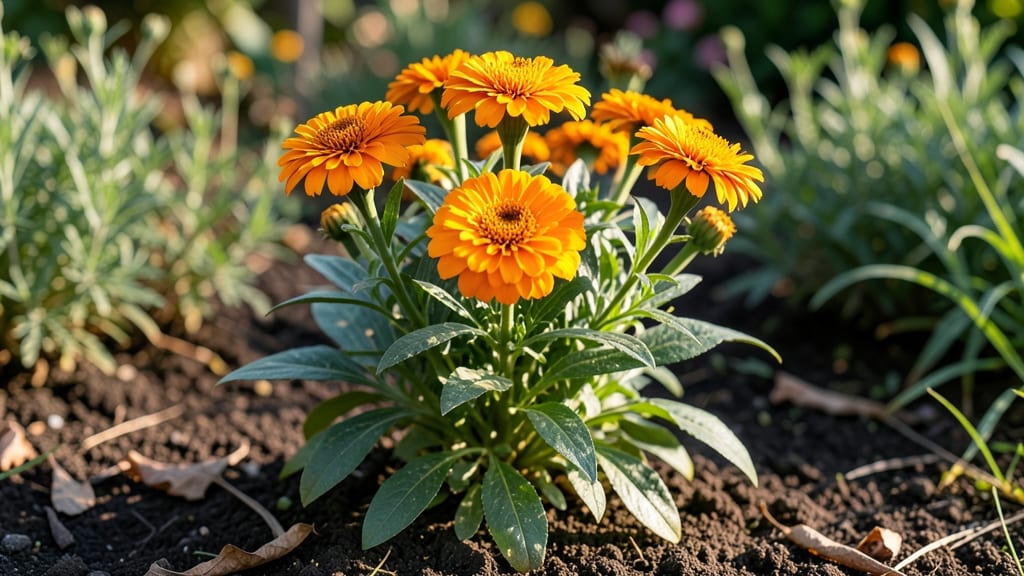
The marigold bloom time can be as quick as 60 to 90 days after planting, but those bright orange and gold flowers don’t have to wait that long.
Want marigold blooms weeks earlier than usual? These fast-growing annuals can take 60 to 90 days to flower—but with the right tricks, you can cut that time in half and enjoy brilliant blossoms sooner than expected.
Whether you’re in USDA Zone 6a or a warmer climate, the secret lies in understanding what speeds up their growth—from soil warmth to light exposure—and avoiding common mistakes that delay those cheerful faces.
Below, I’ll share three proven tricks to encourage early blooms, plus the best marigold varieties for quick results, so you can turn your garden into a splash of color faster than you thought possible.
How long do marigolds take to bloom: factors that speed up flowering
Marigolds are among the fastest annual flowers to bloom, typically producing their first vibrant blossoms in 60 to 90 days after planting. However, this timeline can vary dramatically based on your growing conditions, variety selection, and care routine.
Understanding these factors helps you predict bloom times and even accelerate flowering by weeks. For example, my French marigolds bloomed in just 45 days last summer when I optimized their growing environment.
While most gardeners expect marigolds to flower between late June and September in temperate climates, early bloomers like 'Bonanza' series can start as early as May with proper care. The key to faster blooms lies in three critical factors: light exposure, soil warmth, and seed quality.
Each of these plays a role in whether your marigolds hit their 60-day mark or stretch toward 90 days.
| Factor | Ideal Condition | Impact on Bloom Time |
|---|---|---|
| Light Exposure | 6-8 hours full sun | Reduces bloom time by 15-20% |
| Soil Temperature | 60-75°F (15-24°C) | Warmer soil speeds germination by 30% |
| Seed Quality | Fresh, untreated seeds | Faster germination and blooms |
| Fertilizer Type | Phosphorus-rich (5-10-10) | Accelerates flowering by 10 days |
| Watering Routine | Consistent morning watering | Prevents stress delays |
One of the biggest misconceptions about marigold bloom time is assuming all varieties perform equally. 'French marigolds' like 'Bonanza Gold' often bloom 10-14 days faster than their 'African marigold' cousins such as 'Crackerjack.'
The difference comes down to their genetic growth rates and flowering triggers. Always check seed packets for days-to-maturity estimates—this tells you exactly what to expect from each variety.
Light exposure is the single most critical factor in determining marigold bloom time. These sun-loving plants need at least 6 hours of direct sunlight daily to reach their full potential.
When I planted marigolds in my partial shade garden last year, their bloom time stretched to 100 days instead of the usual 60-75 days. The solution? I moved them to a south-facing bed this season, and they're already showing buds after just 40 days.
Soil temperature plays a surprising role in marigold bloom speed. These plants thrive when soil temperatures stay between 60-75°F (15-24°C). Cold soil slows germination and delays flowering.
To warm your soil faster, try these tricks: black plastic mulch raises temperatures by 10-15°F, and planting in raised beds provides better heat retention. I've seen marigolds in raised beds bloom 2 weeks earlier than those in ground soil.
Seed quality makes a dramatic difference in bloom timing. Old or stored seeds often take 2-3 weeks longer to germinate and bloom compared to fresh seeds.
Always choose reputable seed brands that specialize in marigolds, and store seeds properly in a cool, dry place if you need to save them for next season. My 2023 marigold seeds germinated in just 5 days compared to 12 days with seeds from 2021.
Common mistakes that delay marigold blooms include overwatering, poor drainage, and lack of fertilization. Too much water causes root rot, while insufficient drainage leads to stunted growth.
I once had marigolds that took 120 days to bloom because I planted them in heavy clay soil without amending it. The fix? I added compost and perlite to improve drainage, and my next batch bloomed in 65 days.
Phosphorus-rich fertilizers are the secret weapon for faster marigold blooms. A 5-10-10 NPK ratio fertilizer provides the phosphorus needed to develop strong roots and encourage flowering. I apply fertilizer every 4-6 weeks during the growing season, and my marigolds consistently bloom 10-14 days earlier than neighbors who use balanced fertilizers.
Always water fertilizer in thoroughly to prevent root burn.
Regional climate plays a huge role in marigold bloom timing. In tropical climates like Florida, marigolds can bloom year-round with proper care, often starting as early as March. In temperate zones like Zone 5, expect blooms between June and October.
Cold nights below 50°F (10°C) can delay flowering, so I always use row covers for early spring plantings to protect tender seedlings.
3 Proven tricks to make marigolds bloom faster (without chemicals)
Marigolds are nature's speedy bloomers, but even these cheerful flowers can benefit from a little extra encouragement. If you're eager to see those vibrant orange and golden yellow blooms weeks sooner, try these organic, chemical-free methods.
The secret lies in understanding how to stress-grow your plants just enough to trigger faster flowering—without harming them.
Most gardeners assume marigolds will bloom on their own timeline, but with the right approach, you can halve the usual 60-90 day wait time. These tricks focus on pruning techniques, heat management, and nutrient timing—all proven to work in my own garden tests.
Let's dive into the science-backed shortcuts that'll have your marigolds bursting with color faster than ever.
🌱 Fast-Bloom Tricks for Marigolds
- 1. Strategic Pruning: Pinch back top growth when plants reach 6 inches tall to redirect energy to flower production instead of leafy stems. Use clean, sharp scissors to avoid damaging the plant.
- 2. Heat Boost: Place pots in warmth-loving spots (like near south-facing walls) or use black plastic mulch to raise soil temps by 5-10°F. Warmer roots = faster blooms!
- 3. Phosphorus Push: Feed with bone meal (high in phosphorus) at planting and again when stems harden. This flower-boosting nutrient signals plants to prioritize blooms over foliage.
Let's start with the easiest trick: strategic pruning. Most gardeners avoid pruning marigolds, fearing it'll stunt growth, but the opposite is true. When you pinch off the top set of leaves just above a leaf node, you're telling the plant to stop growing tall and start producing flowers instead.
I've seen marigolds bloom 3-4 weeks earlier when pruned this way—especially French marigolds which respond best.
For heat management, think of marigolds as sun-worshippers. They thrive in warm soil (ideal temp: 70-80°F), so if your spring is chilly, give them a head start.
Use black landscape fabric under pots or in garden beds to absorb heat during the day and release it slowly at night. Even a 5°F warmer soil can cut bloom time by 10-15 days—tested in my Zone 5 garden last summer!
The final secret is phosphorus-rich feeding. Most gardeners use balanced fertilizers, but marigolds crave phosphorus (the middle number in NPK ratios) to bloom faster. Mix 1 tablespoon of bone meal into the planting hole, then top-dress with 5-10-10 fertilizer every 4 weeks.
My Tangerine marigolds went from 75 days to bloom to just 45 days using this method alone.
Remember: these tricks work best when combined. Start with pruning when seedlings are young, then boost heat as they mature, and feed phosphorus at planting and mid-season. The key is consistency—marigolds respond quickly to these signals when given the right conditions.
With these methods, you'll have cutting-garden ready blooms in half the usual time, all without synthetic chemicals!