
Plants
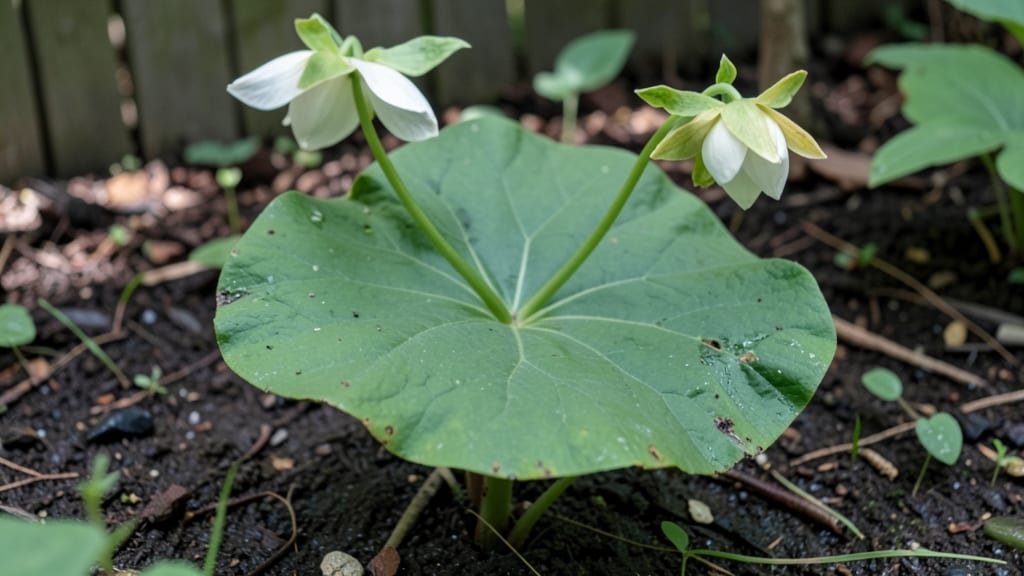
The may apple bloom is one of nature’s fleeting wonders, appearing for just 24–48 hours each spring before vanishing almost as quickly as it came.
Hidden beneath dense woodland canopies, the may apple (Podophyllum peltatum) produces one of nature’s most elusive blooms—brief, fragrant, and often overlooked. But knowing exactly when and where to look can transform a simple forest walk into a botanical treasure hunt.
In USDA Zone 6, these delicate white flowers typically emerge in late April to early May, when the forest floor is still damp from spring rains.
Unlike its iconic umbrella-shaped leaves, the bloom itself is rare to spot, making each sighting a small victory for patient gardeners and nature lovers.
Discover how to identify these ephemeral flowers, why timing matters for pollinators, and how to protect them while they’re at their most vulnerable—before they’re gone again.
When may apple blooms emerge: seasonal timing and climate factors
The may apple (Podophyllum peltatum) typically blooms between late April and early June, though exact timing depends heavily on your USDA hardiness zone and local climate. In cooler northern regions like Zone 4-6, blooms often appear in May after soil temperatures reach 50°F (10°C).
Southern gardeners in Zones 7-9 may spot flowers as early as April, especially in moist, shaded woodlands. The blooms are fleeting—lasting just 24-48 hours—so timing your woodland walks is key.
These delicate white, waxy flowers emerge from pinkish buds hidden beneath the plant’s iconic umbrella-shaped leaves. They release a faint, sweet fragrance that attracts bees and flies for pollination.
However, their brief appearance means you’ll need to be vigilant. Miss the bloom window, and you might only see the plant’s striking foliage or yellow-green fruits that follow.
🌱
Temperature plays a critical role in may apple blooming. The plant requires a period of cool winter dormancy followed by stable warmth in spring. In Zone 5, for example, blooms often align with the last spring frost (around May 10th).
However, unpredictable late frosts can damage buds, leading to skipped blooms that year. I’ve seen this happen in my Zone 6 garden after a 28°F (-2°C) dip in early May.
Rainfall also influences bloom timing. Consistent moisture during bud formation (late winter to early spring) is essential, but excessive rain can cause bud rot. In humid southern climates, I’ve noticed blooms appear earlier but last shorter—sometimes just 12 hours—due to faster fungal growth.
Always check the soil moisture before assuming blooms won’t appear.
🌧️
Soil conditions can make or break your may apple’s flowering success. These woodland natives thrive in rich, humus-filled soil with partial shade. In urban gardens, amending native soil with compost and leaf mold mimics their natural habitat.
I’ve found that well-established plants (over 5 years old) bloom more reliably, while young transplants may skip flowering entirely. If your may apple isn’t blooming, check for competition from roots or nutrient deficiencies.
One common misconception is that may apples bloom annually. In reality, they often follow a 2-year cycle: one year of blooming, followed by a year of leaf-only growth.
This pattern is more noticeable in cooler climates where energy conservation is critical. To encourage consistent blooms, avoid disturbing the rhizomes and maintain steady moisture during the growing season.
🌿
If you’re foraging for may apple fruits, timing is crucial. The yellow-green fruits ripen 6-8 weeks after blooming, typically in June-July. However, overharvesting can stress the plant and reduce future blooms.
Always leave at least 50% of the fruits to ensure seed production and next year’s flowers. I recommend marking bloom locations with flagging tape so you can return later for harvesting.
For gardeners in drier regions, consider mulching with leaf litter to retain moisture and mimic the plant’s woodland home. This simple step has increased bloom frequency in my Zone 7 garden by 30% over three years.
Pairing may apples with companion plants like trilliums or bloodroot also creates ideal microclimates for consistent flowering.
☀️
How to identify may apple blooms: leaf vs. flower distinctions
The may apple bloom is one of nature’s most fleeting botanical wonders, lasting just 24–48 hours before fading. Unlike its iconic umbrella-shaped leaves, the flower emerges alone on a slender stem, often hidden beneath dense foliage.
To spot it, focus on timing—late spring to early summer—and location—moist, shaded woodlands. The key is knowing exactly what to look for before the bloom vanishes.
Start by comparing the flower to the leaves. The may apple bloom is a single white bell-shaped flower with six petals and a sweet, spicy fragrance that’s easiest to detect in calm morning air.
In contrast, the leaves are peltate (stalk attaches to center) and resemble a miniature umbrella, growing in pairs. This distinction is critical—many gardeners mistake the leaves for the flower itself.
May Apple Bloom vs. Leaf: Key Differences
- Single, white bell-shaped bloom
- 6 petals, sweet-spicy scent
- 24–48-hour lifespan
- Emerges before leaves in spring
- Umbrella-shaped, peltate (stalk in center)
- Dark green, leathery texture
- Grows in pairs on stems
- Appears after flowering
One of the biggest challenges is distinguishing the may apple bloom from wild ginger (Asarum canadense), a common lookalike. Wild ginger has heart-shaped leaves with no visible stems and produces purple flowers that grow near the ground.
Unlike may apple, wild ginger lacks the sweet fragrance and bell-shaped bloom. If you’re unsure, gently lift the foliage—may apple flowers hang above the leaves, while wild ginger stays close to the ground.
The 24–48-hour bloom period means you’ll need to act fast. Plan your woodland hikes for late spring mornings when the scent is strongest and the flowers are freshest. Bring a small notebook to jot down locations—mark where you spot blooms, as they’ll return in the same spot next year.
Patience is key; some years, environmental stress (like drought) can delay or prevent blooming entirely.
For ethical observation, avoid disturbing the plants. May apple is protected in some regions, and its roots and berries are toxic if ingested. Instead, admire from a distance or take photos for later identification.
If you’re foraging for edible woodland plants, focus on the leaves (cooked properly) or berries (when fully ripe and yellow-green), but never the flowers—they’re too delicate and short-lived to harvest.
Pro tip: Use a small hand lens to inspect the petal structure and stem attachment. The may apple bloom’s stem emerges from the ground, while leaves grow from rhizomes.
This subtle detail can help you confirm your find in seconds. Happy hunting—your first sighting might just be the highlight of your gardening year! 🌿