
Blooming
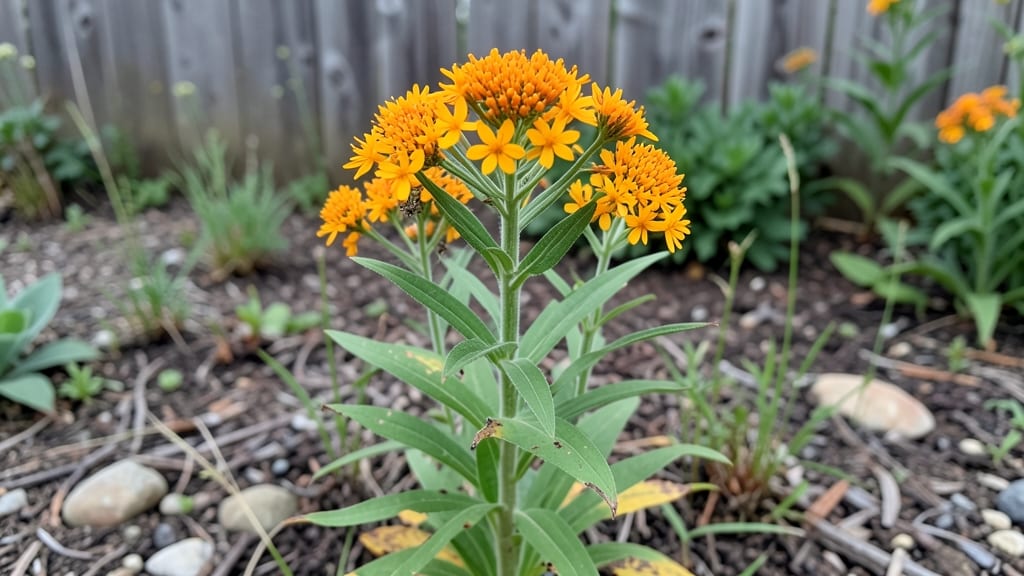
Milkweed blooming time typically occurs between late spring and early summer, with most varieties flowering from May to July. Regional climates shift these windows—warmer southern zones may bloom as early as April, while cooler northern areas see flowers in June or July.
Understanding when these plants burst into bloom helps gardeners attract monarch butterflies and other pollinators during their critical feeding periods. 🌿 The timing also depends on whether you're growing native species like Asclepias tuberosa (butterfly weed), which thrives in drier climates, or Asclepias syriaca (common milkweed), which prefers moister conditions.
Some varieties even produce secondary blooms later in summer if given proper care and consistent moisture.
For those in transitional zones, starting seeds indoors by March can give plants a head start before transplanting after the last frost date. This strategy often shifts blooming windows slightly earlier, especially for slower-growing species.
The key is matching your planting approach to your local climate patterns—whether that means rushing the season in cooler regions or extending it in warmer ones.
💡 In This Article
- Factors Influencing Milkweed Flowering Seasons
- Best Milkweed Varieties for Extended Blooming Periods
Factors influencing milkweed flowering seasons
Here's what's actually happening behind those vibrant blooms: milkweed flowering triggers rely on a perfect storm of temperature thresholds and daylight exposure. Most species need daytime temperatures consistently above 60°F for at least 2-3 weeks to break dormancy. This warm-up period signals the plant that winter's threat has passed.
The science involves a process called vernalization, where cold exposure during winter actually prepares the plant for spring growth—but only if followed by warm temperatures. Without this sequence, many milkweeds simply won't flower at all.
Daylight hours play an equally crucial role through a mechanism called photoperiodism. Most milkweed species are long-day plants, meaning they need 14-16 hours of daylight to trigger flowering. In northern latitudes where summer days are naturally longer, this happens automatically.
But in southern regions where daylight stays shorter, some varieties may require supplemental light or take longer to bloom. For example, Asclepias syriaca (common milkweed) often blooms 2-3 weeks earlier in Florida than in New York because of these extended daylight conditions.
Species-specific traits create dramatic variations in timing. Asclepias tuberosa (butterfly weed) typically blooms 4-6 weeks earlier than Asclepias syriaca because it's adapted to drier climates with faster growth cycles. The deep taproot of butterfly weed also allows it to access moisture earlier in spring, giving it a head start.
Meanwhile, swamp milkweed (Asclepias incarnata) often blooms later because it prefers wetter conditions that take longer to warm up in spring.
Frost dates create invisible boundaries in your garden. Most milkweeds can't tolerate temperatures below 28°F once they've started flowering, which is why late spring frosts in northern zones can delay blooming by 3-4 weeks.
What most people don't realize is that milkweed buds are actually quite frost-resistant—the real damage comes when flowers are already open. This is why gardeners in Zone 5-6 often see staggered blooming across their plants, with some varieties producing flowers that survive early frosts while others get nipped.
Plant maturity plays its own game-changing role. First-year milkweed plants often produce only minimal flowers because they're focused on root establishment. It's typically second-year plants that deliver the spectacular blooms gardeners expect. This two-year cycle explains why some milkweed patches appear sparse one year before exploding with flowers the next.
The exception is Asclepias incarnata, which can sometimes flower in its first year if given ideal growing conditions and consistent moisture.
Soil moisture creates the final piece of the puzzle. Drought-stressed milkweeds often delay flowering until conditions improve, while overwatered plants may produce weaker blooms. The sweet spot is consistently moist but well-drained soil, which allows plants to allocate energy to both root growth and flower production.
This is why milkweed thrives in prairie restoration projects—those ecosystems naturally provide the moisture fluctuations these plants prefer.