
Blooming
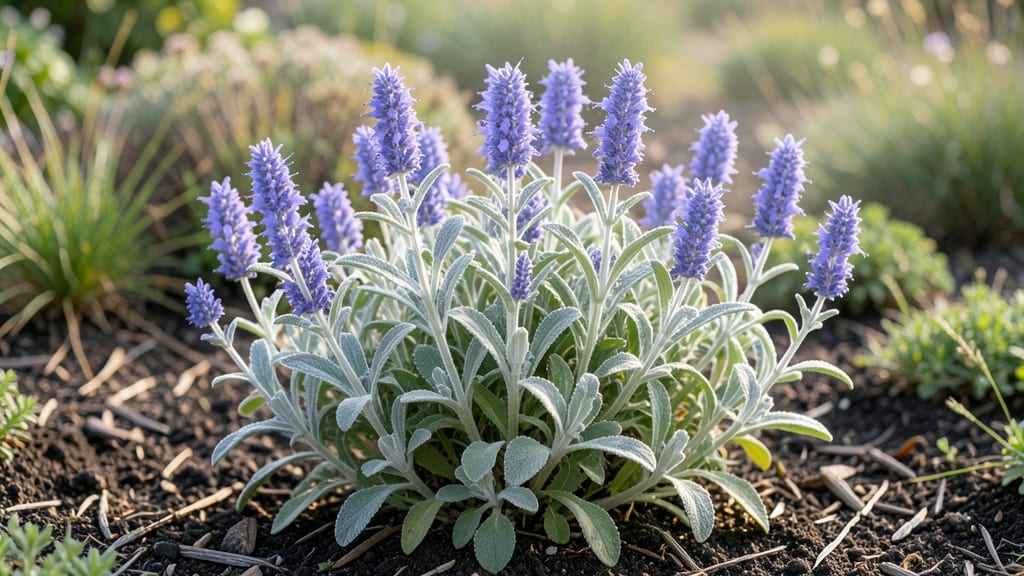
Nepeta's purple spikes bloom like clockwork every spring, but the timing varies wildly—from late spring in cold zones to early summer in warm climates. 🌿 I’ve watched mine push through the soil in April here in Zone 6, only to see neighbors in Zone 8 already snipping back second flushes by May.
The secret? This hardy perennial thrives in heat and drought, rebounding after pruning like it’s programmed to keep flowering.
The real magic happens after the first flush: cut back spent stems by half, and you’ll trigger a second wave of blooms by July. My plants stay lush until frost, while others in milder climates keep going until fall.
The key is avoiding heavy pruning in late summer—just tidy up after blooms to encourage new growth without stressing the plant.
You’ll end up with fragrant, bee-magnet spikes that outlast most annuals, plus foliage that stays silvery-green all season. The scent alone—like lavender meets mint—makes it worth growing. Even my black thumb can’t kill these, and they spread happily if you let them.
Works in full sun to partial shade, from containers to border edges. Here’s how to keep them blooming all season long—no matter where you garden.
📚 In This Guide
- What you need
- Instructions
- Tips and common mistakes
- Wrapping up and next steps
What you need
- ● Nepeta Plants: 1–3 Nepeta plants (e.g., Nepeta × faassenii, Nepeta racemosa, or Nepeta grandiflora) for optimal visual impact.
- ○ Seedlings (optional): Start with 10–20 seeds if growing from scratch (germination takes 14–30 days).
- ● Soil: 1–2 cubic yards of well-draining, slightly alkaline soil (pH 6.5–7.5). Mix in compost (1 part compost to 3 parts soil) for nutrients.
- ● Fertilizer: 1 lb of balanced, slow-release fertilizer (10-10-10 or 5-10-5 ratio) per 100 sq. ft.
- ○ Optional boost: ½ cup of bone meal (for phosphorus) at planting time.
- ● Mulch: 2–3 inches of organic mulch (e.g., shredded bark or straw) to retain moisture and suppress weeds.
- ● Watering Supplies: Garden hose with soaker hose attachment or drip irrigation system.
- ● Watering can (for seedlings or container gardening).
- ● Pruning Tools: 1 pair of sharp, sterilized pruning shears (for deadheading and shaping).
- ○ Gloves (optional, but recommended for thorny varieties like Nepeta grandiflora).
- ● Container Gardening: 1–2 5–7 gallon pots with drainage holes (if growing in containers).
- ● Support: Small stakes or cages (for tall varieties like Nepeta racemosa in windy areas).
- ● Companion Plants: Salvia, Thyme, or Lavender to create a pollinator-friendly garden.
- ● Pest Control: Neem oil or insecticidal soap (for aphid or spider mite prevention).
- ● Season Extenders: Frost cloth (for early spring/late fall planting in colder climates).
How to extend nepeta bloom time through summer heat
Here's how I keep my nepeta blooming reliably—even when temperatures climb and other perennials fade.
🌱 Step 1: Plant in Full Sun with Perfect Soil Conditions
Nepeta thrives in 6+ hours of direct sun daily, but the secret to extended blooming lies in the soil. Amend your planting area with 50% native soil and 50% compost—this creates loose, well-draining conditions that prevent root stress. I always test my soil first; nepeta hates soggy roots, so if your soil is heavy clay, add 20% perlite or coarse sand to improve drainage.
Plant in early spring or late fall when temperatures are moderate. The plant establishes roots more quickly in cooler weather, giving it a head start for summer's heat. Space plants 18-24 inches apart—crowding reduces airflow and invites powdery mildew, which can cut blooms short.
☀️ Step 2: Water Deeply but Infrequently
Nepeta is famously drought-tolerant once established, but that doesn't mean you should neglect watering entirely. During the first growing season, water deeply once a week until the soil is 6 inches deep and thoroughly moist. You'll know you've watered enough when the top 2 inches of soil feel dry to the touch—this encourages deep root growth.
After the first year, reduce watering to every 10-14 days unless your region experiences extreme heat or drought. Overwatering triggers root rot, which weakens the plant and shortens bloom time. I always water in the early morning so foliage dries quickly—this prevents fungal issues that can discolor leaves and reduce flowering.
✂️ Step 3: Deadhead Strategically for Continuous Blooms
The key to extending nepeta's bloom time is deadheading, but not how you might think. Instead of snipping every spent flower, I remove only the top third of the flower spike once it begins to fade. This encourages the plant to produce new side shoots, which will bloom later in the season. I use clean, sharp pruners and make cuts just above a set of healthy leaves.
Here's the thing—don't deadhead too aggressively. If you shear back more than one-third of the plant's height, you'll stimulate leaf growth at the expense of flowers. I aim to keep the plant looking full but not overpruned. Repeat deadheading every 2-3 weeks throughout the growing season, and you'll enjoy blooms from early summer through fall.
🌿 Step 4: Fertilize Lightly for Vigorous Growth
Nepeta doesn't need much fertilizer, but a light feeding in early spring keeps it vigorous. I use a balanced, slow-release fertilizer (10-10-10) applied at half strength. Spread the granules around the base of the plant and water them in thoroughly. Avoid high-nitrogen fertilizers—they promote leafy growth at the expense of flowers.
In mid-summer, if the plant looks stressed, I give it a low-phosphorus, high-potassium fertilizer (5-10-10) to support blooming and heat tolerance. This is especially important if your nepeta is in a hot, dry location. Never fertilize after mid-August, as new growth won't have time to harden off before winter.
🔄 Step 5: Protect from Late-Season Heat Stress
As temperatures rise in late summer, nepeta can become heat-stressed, causing leaves to yellow or flowers to drop prematurely. To prevent this, I mulch around the base of the plant with 2-3 inches of organic mulch (like shredded bark or straw). This keeps the soil cool and retains moisture, which is critical during heatwaves.
If your nepeta starts to look wilted in extreme heat, give it a deep watering in the early morning and provide afternoon shade with a lightweight shade cloth. Avoid overhead watering in the heat of the day—this can scorch leaves and stress the plant further. With these adjustments, your nepeta will often reward you with a second flush of blooms in early fall.
Tips & tricks for extending nepeta's summer bloom
These simple yet powerful strategies will help your nepeta thrive and keep blooming when other perennials fade.
Soil Preparation Insight: When amending your soil with the 50% native soil and 50% compost mix, don't just eyeball it—measure! Use a wheelbarrow or large bucket to create equal portions. This ensures the perfect balance of nutrients and drainage that nepeta craves. I've seen plants struggle when gardeners guess the ratio, so take the time to get it right—your nepeta's root health depends on it.
Seasonal Planting Timing: The moderate temperatures of early spring or late fall are ideal for planting, but here's what I've learned: if you're in a particularly warm climate, consider planting in late winter instead. The key is to avoid planting when daytime temperatures exceed 80°F—this stresses young plants and can delay flowering. I've had success planting as late as February in Zone 9 with no issues.
Deadheading Precision: When you're ready to deadhead those fading flower spikes, focus on the top third only—this is where the magic happens. I've found that using small, clean pruning shears prevents crushing stems, which can introduce disease. Also, make your cuts at a 45-degree angle just above a set of leaves; this encourages better water flow to new growth points.
Heat Stress Prevention: During those scorching summer afternoons, I've discovered that providing afternoon shade with a lightweight shade cloth (like 30-50% shade) can make all the difference. The goal is to reduce leaf temperature by about 10°F—this prevents wilting without creating a humid environment that invites fungal problems. Remove the shade by late afternoon to allow for evening light exposure, which helps the plant recover overnight.
Pro Tips for Nepeta Bloom Time
- These simple yet powerful strategies will help your nepeta thrive and keep blooming when other perennials fade.
- Soil Preparation Insight: When amending your soil with the 50% native soil and 50% compost mix, don't just eyeball it—measure!
- Seasonal Planting Timing: The moderate temperatures of early spring or late fall are ideal for planting, but here's what I've learned: if you're in a particularly warm climate, consider planting in late winter instead.
Frequently asked questions
When does Nepeta typically bloom?
Nepeta usually blooms in late spring to early summer (May–June), with a second flush of flowers in late summer to early fall (August–September). Early bloomers may appear as soon as April in warmer climates. Deadheading spent blooms encourages more flowers!
How long does a Nepeta bloom last?
Individual flowers last 2–4 weeks, but Nepeta’s reblooming nature means you’ll enjoy vibrant purple spikes for 6–8 weeks total per season. Heat and consistent watering help prolong blooms. Prune lightly after the first flush for a second wave!
Does Nepeta bloom in hot weather?
Yes! Nepeta is heat-tolerant and often blooms best in full sun (6+ hours/day). In extreme heat (above 90°F/32°C), ensure well-draining soil and water deeply but infrequently. Mulching helps retain moisture. Drought-stressed plants may drop blooms, but they rebound quickly!
Why isn’t my Nepeta blooming?
Common culprits include:
- Too much shade: Needs full sun for best blooms.
- Over-fertilizing: Rich soil encourages foliage over flowers—use low-phosphorus fertilizer.
- Overwatering: Nepeta hates soggy roots. Let soil dry between waterings.
- Old plants: After 3–4 years, rejuvenate with a light pruning or division.
What’s a good alternative if Nepeta blooms late?
For earlier color, try:
- Catmint hybrids (e.g., ‘Walker’s Low’): Blooms April–June.
- Russian Sage (Perovskia): Starts blooming in June–July and lasts longer.
- Salvia nemorosa: Purple spikes in May–July with similar drought tolerance.
Wrapping up and next steps
Nepeta’s resilient purple blooms aren’t just a seasonal spectacle—they’re a low-maintenance, heat-loving superstar that reblooms like a champ with minimal effort. Whether you’re a first-time gardener or a seasoned green thumb, this fragrant perennial proves that beauty thrives on adaptability. 🌿✨
Ready to invite more Nepeta magic into your garden? Start by snagging a few cuttings or mixing them into your next pollinator-friendly layout. Your future self (and bees!) will thank you.