
Blooming
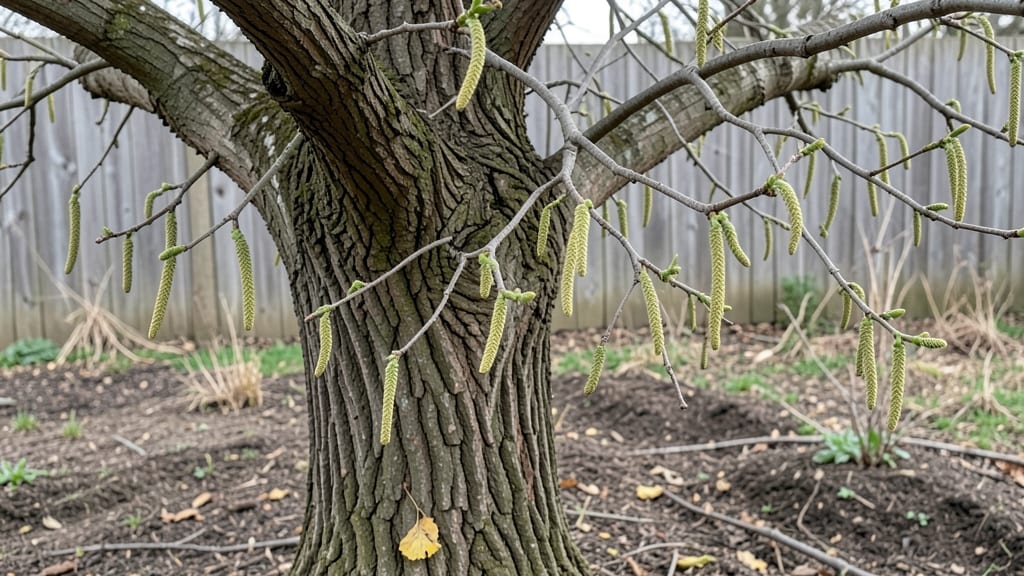
Oak trees in bloom are one of nature’s most fleeting and underrated spring wonders 🌳—their subtle, catkin-style flowers appear for just a few weeks before the leaves take over.
If you’ve ever wondered why oak trees seem to vanish into green canopies by summer, you’re missing their breathtaking spring spectacle—when they burst into delicate, fleeting blossoms that transform forests into dreamy landscapes.
Most gardeners overlook this seasonal magic because oak flowers aren’t flashy like cherry blossoms, but they’re just as vital for pollinators like bees and butterflies. Knowing when and where to spot them can turn a casual walk into a discovery.
Below, I’ll share the exact timing for white oaks, red oaks, and pin oaks, the best places across the U.S. to witness them, and how to identify those elusive spring blooms before the leaves emerge.
When do oak trees bloom: seasonal timing and regional variations
Oak trees are often celebrated for their towering canopies and sturdy trunks, but their spring blooms are a hidden treasure. Most oak species—like white oaks, red oaks, and live oaks—produce their catkin flowers in early spring, creating a fleeting but magical display.
These flowers are subtle, often overlooked, but they’re essential for oak reproduction and attract early pollinators like bees and flies.
The timing of oak blooms varies by species and USDA hardiness zone, but the general window is March through May.
In warmer climates, like Zone 8 or higher, blooms may appear as early as February, while in colder regions (Zone 5 or below), they might not emerge until late April or May.
Understanding these variations helps you plan when to visit forests or parks for the best viewing.
If you’re wondering why some oaks bloom earlier than others, it’s all about climate triggers. Live oaks, for example, thrive in warmer southern climates and often bloom as early as February, while white oaks in cooler northern zones may wait until late April.
The key trigger is consistent temperatures above 50°F for at least a week, signaling the tree to break dormancy and produce flowers.
To predict when oaks in your area will bloom, check your USDA hardiness zone and adjust expectations by ±2 weeks. For instance, in Zone 6, red oaks typically bloom in mid-April, but a warm winter might push it to early April.
Conversely, a late frost could delay blooms until May. Pay attention to local weather patterns—early springs often mean earlier blooms!
Not all oak trees bloom annually, especially mature specimens or those under stress. Young oaks (under 10 years old) tend to bloom more reliably because they’re focused on growth and reproduction.
If you’ve planted an oak sapling, give it full sun and well-draining soil to encourage healthy blooms in its 3rd or 4th year. Avoid over-fertilizing, as too much nitrogen can delay flowering.
One common misconception is that oak flowers are showy like cherry blossoms. In reality, they’re catkins—long, drooping clusters of tiny, wind-pollinated flowers. These flowers lack petals but are critical for producing acorns later in the year.
If you’re lucky, you might spot bees and flies visiting them in early spring, adding another layer of beauty to the scene.
For gardeners in urban areas, city oaks like pin oaks or shingle oaks often bloom a week later than their forest counterparts due to heat island effects.
If you’re planting oaks in your yard, choose varieties suited to your local climate and provide ample space—their roots can spread 2–3 times wider than their canopy. Mulching around the base helps retain moisture for those early spring blooms.
To maximize your chances of seeing oaks in bloom, plan a spring hike in late March or early April, depending on your region. Visit forests, parks, or arboretums with mature oak stands, like Shenandoah National Park or Longwood Gardens.
Bring binoculars—oak flowers are small but stunning when viewed up close! Just remember, these blooms are short-lived, so timing is everything.
If you’re curious about oak flowers but haven’t spotted any yet, don’t worry. Some oaks, like bur oaks, produce flowers so subtly that they’re easy to miss. Others, like water oaks, bloom later in the season.
The best way to ensure you don’t miss the spectacle is to monitor local oak species and their known bloom times. Happy oak hunting!
Best locations to see oak trees in full bloom: national parks and gardens
Witnessing oak trees in bloom is like uncovering a hidden forest secret—most people overlook their subtle yet stunning spring catkins. The best places to experience this are where mature white oaks and red oaks thrive in their natural habitats or carefully curated gardens.
National parks offer the most dramatic displays, while urban parks provide accessible viewing without long hikes.
Timing is everything: peak bloom typically occurs between late April and early May, just before leaves fully emerge. Cooler climates may see blooms as early as March, while southern regions might delay until May or June.
Plan your trip around these windows to catch the fleeting spectacle before the canopy closes in.
Here are the top locations where you can witness oak trees in bloom at their most spectacular, from iconic national parks to lesser-known regional gems:
- 1 Great Smoky Mountains National Park (TN/NC) – Home to 1,500+ oak species, including towering white oaks and red oaks that bloom spectacularly along Cades Cove and Clingmans Dome trails. Peak bloom: Late April.
- 2 Shenandoah National Park (VA) – The Skyline Drive corridor features ancient white oaks with vibrant catkins. Stop at Dark Hollow Falls for a close-up view. Peak bloom: Early May.
- 3 Longwood Gardens (PA)botanical paradise with curated oak collections, including pin oaks and bur oaks. Their Main Fountain Garden frames blooming oaks beautifully. Peak bloom: Mid-April.
- 4 Mammoth Cave National Park (KY) – Less crowded than other parks, this area features chestnut oaks and willow oaks along the Green River trails. Peak bloom: Late April.
- 5 Central Park (NYC) – The Conservatory Garden and Ramble sections host mature white oaks and red oaks with accessible bloom views. Peak bloom: Early May.
For a more localized experience, check out urban parks like Chicago’s Lincoln Park or San Francisco’s Golden Gate Park, where coast live oaks and valley oaks create stunning spring displays. These spots are perfect for city dwellers who want to enjoy oak in bloom without leaving town.
Pro tip: Visit on overcast days to avoid squinting through dense foliage. Bring binoculars—some of the best blooms hide high in the canopy! Pack a picnic and combine your visit with wildflower hikes for an extra burst of color.
Don’t miss the chance to witness this ephemeral beauty before the leaves obscure the view. Whether you’re trekking through a national park or strolling through an urban garden, oak trees in bloom are a reminder of nature’s quiet miracles. 🌳🌷