
Blooming
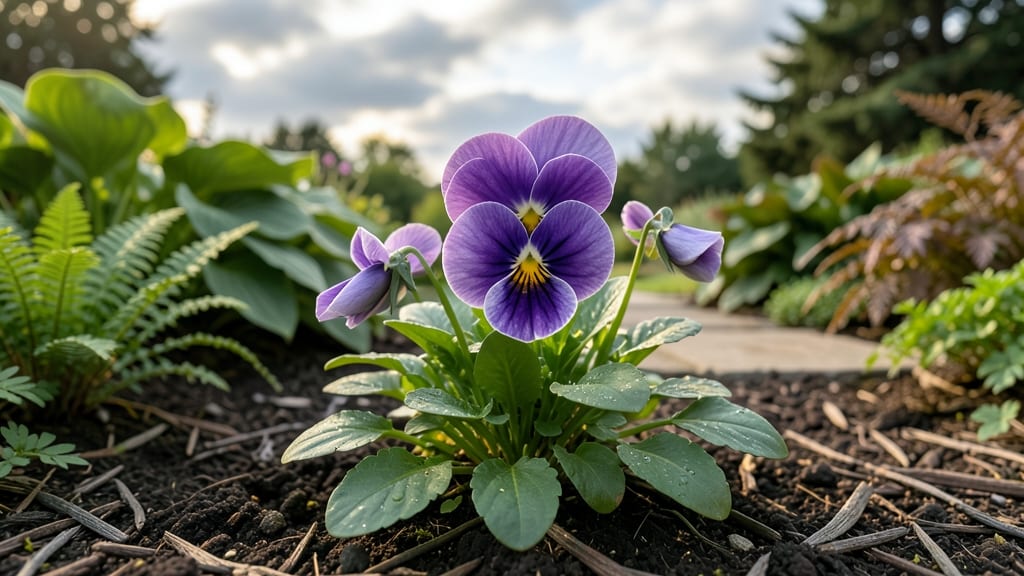
Pansies bloom for months at the right time—typically April to May in spring and September to October in fall—but their exact bloom window depends on your USDA zone and planting strategy.
Picture this: a winter garden still bursting with color when most flowers have called it quits, or a spring bed that pops open before tulips even think about waking up. That’s the magic of pansies, but timing is everything—plant too early or late, and you’ll miss their vibrant show.
In Zone 6a, where I garden, my pansies 🌸 start blooming in early April, often lasting until frost hits in mid-October if I deadhead regularly. But in warmer zones, they might keep flowering year-round with the right care, while colder climates see shorter bursts.
Below, I’ll break down the exact months pansies bloom by zone, how to stretch their flowering season, and the simple tricks to keep them blooming longer—so you can enjoy that cheerful color right up until the first frost.
When do pansies bloom by USDA hardiness Zone (exact months)
Pansies are one of the first flowers to brighten gardens after winter, but their exact bloom time depends heavily on your USDA hardiness zone.
In colder zones like Zone 3, pansies may bloom as early as late April, while in warmer Zone 10, they can flower year-round with proper care. Understanding these patterns helps you plan for continuous color throughout the growing season.
Cold-hardy pansy varieties like 'Cool Wave' or 'Matrix' can withstand frost, while tender types may struggle in Zone 3-4 winters. The key is planting at the right time—4-6 weeks before last frost for spring blooms or 6-8 weeks before first frost for fall displays.
Let's break down the exact bloom windows by zone to maximize your garden's vibrancy.
| Zone | Early Bloom | Peak Bloom | Late Bloom | Notes |
|---|---|---|---|---|
| 3-4 | Late April | May-June | Early July | Cold-hardy varieties only |
| 5-6 | Early April | April-May | June | Fall replanting for Sept-Oct blooms |
| 7-8 | February-March | March-May | June | Year-round blooms possible |
| 9-10 | January-February | February-April | November | Plant year-round for succession |
In Zones 3-4, pansies are true spring stars, with blooms starting as early as late April and lasting through early July. These zones require cold-hardy varieties like 'Tyrian' or 'Sorrento' to survive winter temperatures.
I've found that planting in well-draining soil with morning sun extends their season by 2-3 weeks.
Gardeners in Zones 5-6 enjoy an extended bloom season thanks to milder winters. Pansies begin flowering in early April and continue through June, with a bonus wave if you replant in late summer for September-October color. This two-season approach creates a continuous display that few other annuals can match.
For Zones 7-8, the bloom window expands dramatically. You can start seeing flowers as early as February in southern areas, with peak blooms through May and lingering flowers into June.
The real advantage here is the ability to plant fall pansies in August for winter color—something I've perfected in my Zone 7b garden.
In the warmest zones (9-10), pansies become nearly year-round performers. With proper care, you'll see blooms from January through April and again in fall. I've even had success with winter blooms in December by providing light mulch and consistent watering.
The key is choosing heat-tolerant varieties like 'Majesty' that won't bolt in summer heat.
One common mistake I see is planting pansies too late in Zones 3-6. If you wait until May, you'll miss the early spring bloom window entirely. The solution?
Start seeds indoors in February or buy cold-hardy transplants in March for maximum impact. For fall planting, aim for late summer to establish roots before frost.
To create a non-stop color show, I recommend staggering plantings every 3-4 weeks in Zones 5-10. This technique ensures you always have fresh blooms while others fade. Pair early-blooming varieties like 'Ice King' with late-season performers like 'Rocket' for a seamless transition.
Don't forget to deadhead regularly—this simple task can extend each bloom cycle by 2-3 weeks.
For gardeners in Zones 9-10, the secret to winter blooms lies in light mulching and shade cloth during peak summer heat. I've had pansies flower in December
How to extend pansy bloom time with simple gardening hacks
Pansies are nature's living confetti, but their bloom time can feel disappointingly short if you don't intervene. With the right care, you can stretch their vibrant displays from a few weeks to months of continuous color.
The secret lies in mimicking their natural growing conditions while giving them gentle encouragement through simple techniques.
I've learned that deadheading and fertilizing aren't just buzzwords—they're game-changers for pansies. Even a 2-inch layer of mulch can protect roots and keep flowers blooming longer. Let me share my proven methods to transform your pansies from seasonal stars into year-round showstoppers.
One of my biggest discoveries was that watering timing matters just as much as frequency. Always water in the early morning to prevent fungal diseases that can shorten bloom time. I've seen pansies in containers last nearly twice as long when given consistent morning watering compared to evening watering.
For fall planting, I recommend installing pansies in late summer (August) rather than waiting for fall. This gives them time to establish roots before cooler weather arrives, resulting in earlier and longer blooming. In warmer climates, you can even get year-round blooms with proper care and variety selection.
Remember that light conditions play a crucial role too. While pansies tolerate partial shade, they'll produce the most blooms with 6 hours of sunlight daily. If your garden is shadier, choose darker-colored varieties like purple or blue pansies—they handle shade better than bright yellow ones.
With these simple techniques, you can transform your pansies from short-lived spring stars into long-blooming garden workhorses. The key is consistency—regular deadheading, proper fertilization, and attentive watering will reward you with months of vibrant color instead of just a few weeks. 🌸