
Blooming
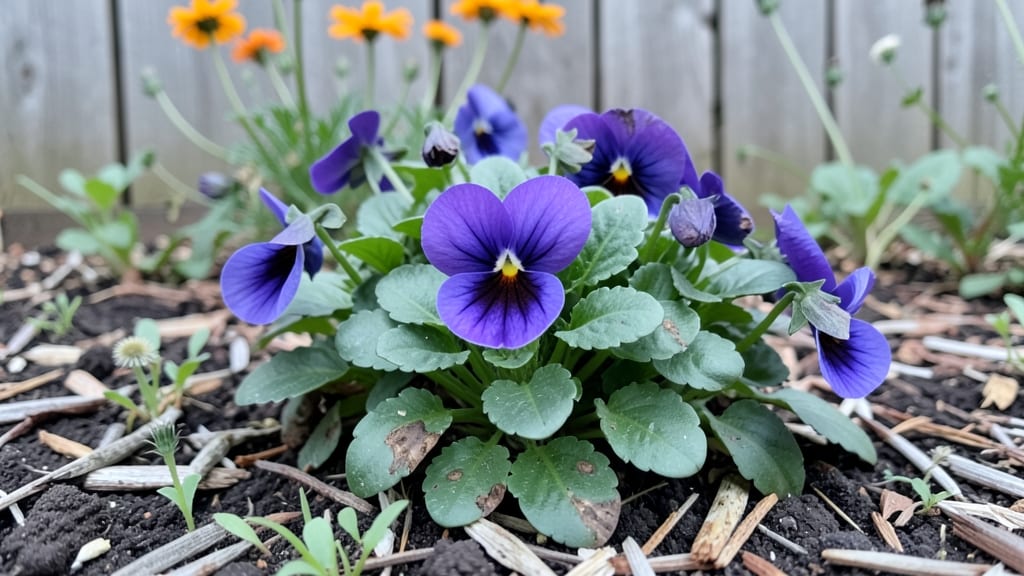
Pansy blooming season typically spans from early spring through late fall, with peak flowering between March and May in cooler climates and September to November in mild regions. Hardy perennials may rebloom in fall if deadheaded regularly. Choose cold-hardy varieties like Viola tricolor for extended displays.
Pansies thrive in cooler weather, which is why they often bloom earlier in regions with mild winters. Their vibrant flowers respond to temperature shifts—too much heat can stunt growth, but consistent cool mornings and evenings encourage longer displays.
I’ve found that planting in partial shade (especially in hotter zones) preserves moisture and keeps blooms vibrant for weeks longer than full-sun beds.
For gardeners in warmer climates, succession planting every 4-6 weeks creates a nonstop show, while deadheading spent blooms redirects energy to new flowers. The key is balancing soil fertility and airflow—overcrowding or soggy soil invites disease, cutting the season short.
With the right care, these cheerful blooms can last from spring straight into frost!
💡 In This Article
- Factors Influencing Pansy Bloom Timing
- Extending Pansy Flowering with Planting Strategies
Factors influencing pansy bloom timing
Pansies are masterful at reading the seasons, and their bloom cycles are directly tied to temperature fluctuations. These cool-weather plants enter a physiological state called vernalization—a process where exposure to cold temperatures (typically 35-45°F for 4-6 weeks) triggers flowering.
In USDA zones 3-7, pansies often bloom earliest because they experience these chilly periods naturally. Meanwhile, in warmer zones 8-10, gardeners must mimic these conditions by planting in fall or using shade cloth to prevent heat stress.
The magic number for optimal blooming is below 80°F—when daytime temps exceed this, pansies go dormant to conserve energy. This is why you'll see peak blooms in spring (when nights are cool but days warm) and fall (when heat subsides).
Sunlight plays a supporting role: partial shade (4-6 hours of direct sun) prevents wilting while maintaining vibrant colors. Too much sun in hot zones causes flowers to fade within 10-14 days, while too little shade stunts growth entirely.
Day length also matters—pansies are short-day plants, meaning they flower best when daylight hours shorten. This explains why perennial varieties often rebloom in fall: as summer's long days fade, the plants sense it's time to produce flowers again.
Deadheading (removing spent blooms) tricks the plant into thinking it's still spring, extending the season by 30-50% in ideal conditions. The key is timing: pinch off flowers when they're half-open to redirect energy to new buds.
Dormancy is another critical factor. Hardy perennials like Viola tricolor enter a semi-dormant state in summer heat but can rebound with proper care. Mulching with 2-3 inches of organic matter keeps roots cool, while consistent moisture prevents stress.
What most gardeners don't realize is that pansies can actually overwinter in zones 5-7 if protected—emerging in early spring with fresh blooms, as if nothing happened.
Consider these climate-specific examples:
- Zone 4-5: Plant in late summer for spring blooms (flowsers appear 8-10 weeks after planting)
- Zone 6-7: Spring and fall plantings yield 12-16 weeks of color with proper deadheading
- Zone 8-10: Use shade cloth to maintain 70-75°F soil temps and plant every 6 weeks for continuous displays
Here's what's actually happening at the cellular level: Pansies produce a hormone called florigen in response to cool temperatures, which signals flower formation. When stressed by heat or drought, this process halts—explaining why pansies in containers dry out faster than in-ground plants. The solution? Group containers in shady microclimates (like near north-facing walls) to create ideal conditions.
For maximum impact, pair cold-hardy varieties like 'Ice King' with heat-tolerant types such as 'Universal Mix'—this creates a 3-4 month bloom window from early spring to late fall. The secret? Their genetic diversity allows them to adapt to shifting temperatures, making them the ultimate garden workhorses. 💫