
Blooming
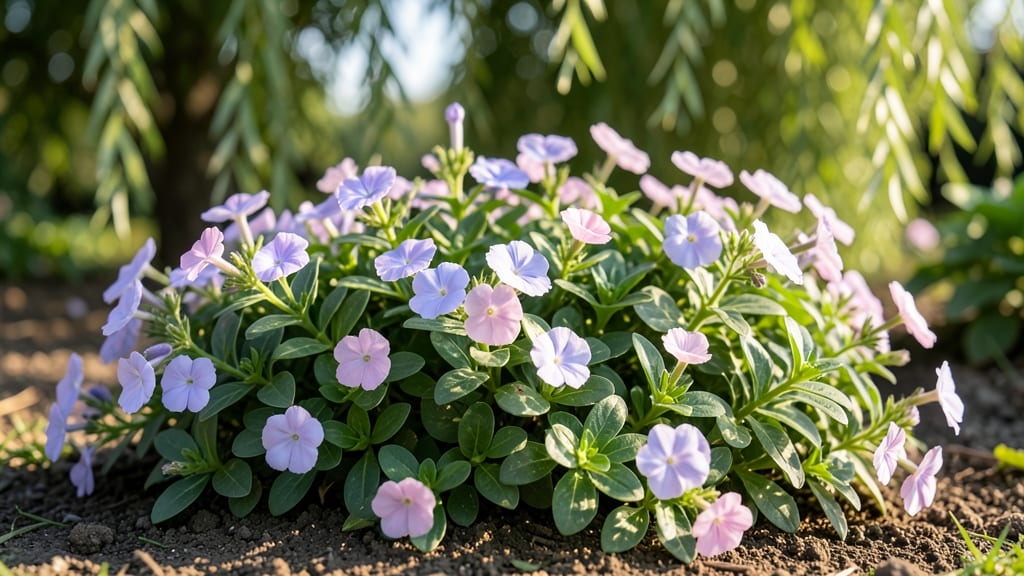
Periwinkle blooms in spring and fall when cool-season temperatures between 50–65°F trigger its delicate 🌸 flowers, but timing varies by region and care.
If you love the delicate blue-purple blooms of periwinkle (Vinca major or Vinca minor) but struggle with their unpredictable flowering, you’re not alone—timing is everything for cool-season triggers that extend their bloom season.
In USDA Zone 6a and beyond, periwinkle typically kicks off its show in March–April, but warmer climates may see earlier blooms, while colder areas might delay until late spring.
Here’s how to coax longer blooms: prune after the first flush, feed lightly in spring, and protect from harsh winter winds—small tweaks that make all the difference for year-round color.
When periwinkle blooms: seasonal triggers for peak flowering
Periwinkle (Vinca major and Vinca minor) thrives as a cool-season bloomer, with its signature blue-purple flowers appearing most vigorously when daytime temperatures hover between 50–65°F.
This natural bloom trigger explains why your periwinkle might burst into color in early spring or late fall—when heatwaves aren’t the main factor. Understanding these seasonal cues helps you anticipate—and even extend—their flowering window.
Most gardeners notice periwinkle’s first flush of blooms in March or April, just as soil warms but before summer’s intensity sets in. However, fall reblooming is also common in USDA zones 5–9, where cooler nights and milder days mimic spring conditions.
The key? Temperature consistency—periwinkle responds poorly to sudden heat spikes, which can cause buds to drop.
| Season | Bloom Trigger | USDA Zones | Care Tip |
|---|---|---|---|
| Spring | 50–65°F days, thawing soil | 3–9 | Prune lightly after first bloom |
| Fall | Cool nights (below 60°F), mild days | 5–9 | Avoid heavy pruning before frost |
| Summer | Heat stress (above 75°F) | All zones | Provide afternoon shade |
| Winter | Dormancy (below 40°F) | 3–7 | Mulch to protect roots |
In USDA zones 3–4, periwinkle’s bloom season is shorter—typically a 4–6 week window in late spring—because cold snaps delay growth. Meanwhile, in zones 8–9, you might see year-round blooming if conditions stay mild, though summer heat can cause buds to abort.
The sweet spot for consistent flowering is zones 5–7, where cool springs and falls create ideal triggers.
Light plays a surprising role too. While periwinkle tolerates partial shade, it needs at least 4–6 hours of morning sun to set buds. If your plants are in deep shade, they’ll focus energy on foliage instead of flowers.
Test this by moving a container to a sunnier spot—you’ll often see more blooms within 2–3 weeks.
Regional variations matter. In the Pacific Northwest (zones 7–9), periwinkle may bloom twice a year—spring and fall—thanks to mild winters. In contrast, Midwest gardeners (zones 5–6) should expect a single, prolonged spring bloom unless they provide afternoon shade during summer.
Even a 10% increase in shade can prevent bud drop in hot climates.
Don’t overlook soil temperature. Periwinkle roots need soil to reach 55°F before active growth begins. In colder zones, wait until late April or early May to fertilize—applying nutrients too soon can stress roots still adjusting to warmer soil.
A slow-release fertilizer in early spring gives you the best chance to trigger robust blooming.
Watch for secondary bloom cues like new leaf growth or stem elongation. These signal your plant is ready to set buds again, often in late summer or early fall.
If you notice dark green, glossy leaves paired with tight flower buds, your periwinkle is preparing for another round of color—usually within 3–4 weeks.
For gardeners in USDA zone 9 and above, periwinkle can bloom almost year-round if given consistent moisture and light. However, even in warm climates, a light frost (below 32°F) can shock the plant into a fall rebloom cycle.
This is why many Southern gardeners report two peak bloom periods: one after winter rains and another after summer’s heat breaks.
Pro tip: If your periwinkle skips blooming entirely, check for over-fertilization—too much nitrogen promotes leaves over flowers. Switch to a low-nitrogen, high-phosphorus fertilizer (like 5-10-10) to encourage blooming. Pair this with regular deadheading (removing spent flowers) to redirect energy into new buds.
How to extend periwinkle bloom time with pruning and care
Periwinkle (Vinca major and Vinca minor) thrives when you time your care right—especially pruning and deadheading. These simple steps can transform your plant from a seasonal bloomer into a year-round color machine.
The key? Understanding when and how to trim to encourage new growth without stressing the plant.
Start by focusing on deadheading spent blooms as soon as they fade. This redirects the plant’s energy from seed production to creating more vibrant flowers. For Vinca major, prune lightly after the first spring bloom to promote a second flush of flowers in late summer or fall.
🌿 5 Steps to Extend Periwinkle Bloom Time
-
Step 1: Deadhead Regularly
Remove faded blooms weekly to encourage new growth. -
Step 2: Prune After First Bloom
Trim back 1/3 of the plant after spring blooms for a second flush. -
Step 3: Fertilize Lightly
Use a balanced 10-10-10 fertilizer in early spring and after pruning. -
Step 4: Adjust Light Conditions
Move to partial shade in hot climates to prevent stress. -
Step 5: Mulch and Water Deeply
Apply 2-3 inches of mulch and water at the base to retain moisture.
For colder climates (USDA zones 3–5), protect your periwinkle in winter with a thick layer of mulch (4–6 inches) and consider covering it with burlap if frost is expected. This helps roots stay active longer, allowing for earlier spring blooms.
Adjust your soil pH to slightly acidic (6.0–6.5) for optimal growth. Periwinkle prefers well-draining soil but stays lush with regular moisture. Avoid overwatering, as soggy soil can lead to root rot and stunted blooms.
With these techniques, your periwinkle will reward you with continuous color from spring through fall—and even into winter in mild climates! The secret lies in timing and consistency, so stay patient and observe your plant’s response to adjustments. 🌸