
Blooming
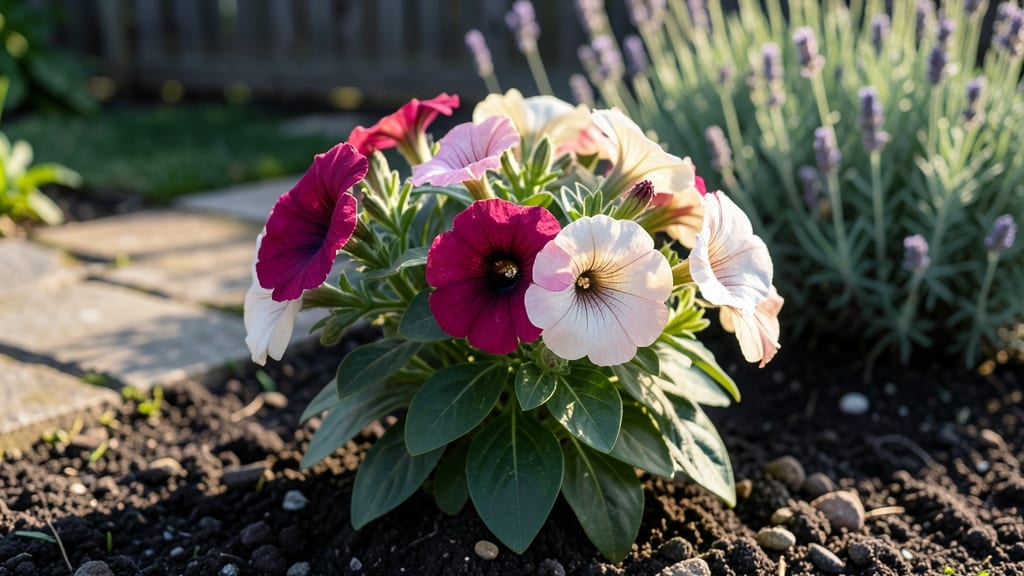
Your petunias bloom in 60 to 90 days after planting, but the exact timing depends on heat zones, variety, and care—meaning a June explosion in zone 6a could turn into a May showstopper in zone 10.
Struggling to predict when your petunias will burst into vibrant blooms? The answer lies in understanding how heat zones influence their flowering calendar—because timing isn’t just luck, it’s science.
In cooler zones like 6a, petunias planted in April after the last frost will typically open their first blooms by early summer, while warmer climates may see flowers as early as May if planted in March. The key is matching your planting window to your zone’s temperature thresholds.
Below, I’ll break down the science behind petunia bloom times, how to adjust for your specific climate, and the 3 simple tricks to extend their flowering season—so you can enjoy those 🌸 all summer long.
Petunia bloom time by USDA heat zones: when to expect flowers
If you've ever planted petunias only to wait weeks for those vibrant blooms to appear, you're not alone. The truth is, USDA heat zones dramatically impact when your petunias will burst into color.
In zone 10, you might see flowers as early as March, while gardeners in zone 4 should expect a June-July debut. Understanding these patterns lets you time your plantings for maximum impact.
Petunias are warm-season annuals in most zones, meaning they thrive when daytime temperatures consistently stay above 60°F (15°C). However, perennial varieties in zones 10-11 can bloom year-round with proper care.
The key is recognizing how temperature thresholds trigger bud formation—too cold delays blooming, while extreme heat can cause them to bolt prematurely.
Here's how to align your planting schedule with your zone's natural flowering windows for continuous color from spring through fall:
Notice how earlier zones have delayed blooming due to cooler springs. In zone 1, petunias often wait until mid-July because soil temperatures below 50°F (10°C) stunt root growth. Meanwhile, zone 10 gardeners enjoy 10-month bloom seasons by planting successive batches every 6-8 weeks.
The 60°F (15°C) threshold is critical—this is when petunias shift from vegetative growth to bud formation. In zone 5, this typically happens around May 10, while zone 9 hits it by March 15.
You can accelerate blooming in cooler zones by using row covers or planting in warm microclimates like near south-facing walls.
For extended bloom periods, focus on deadheading—removing spent flowers triggers new buds. In zone 7, this can extend your peak bloom from 3 months to 5 months. Pair this with balanced fertilizer (10-10-10) every 4-6 weeks during active growth to maintain vibrant color.
I've seen 'Easy Wave Red' varieties in zone 8 produce blooms for 180 days with this approach.
One common mistake is planting too early in cooler zones. Seedlings exposed to below 50°F (10°C) soil develop black stem rot, delaying blooms by 3-4 weeks. Always wait until your last frost date has passed and soil has warmed to at least 55°F (13°C) before transplanting.
In zone 4, this usually means waiting until May 15—patience pays off with longer-lasting blooms.
If you're in a hotter zone (9-11), the challenge shifts to heat stress. Temperatures above 90°F (32°C) cause petunias to stop flowering and focus on survival. Here, afternoon shade and increased watering (deep soaks every other day) keep plants blooming through October.
I've had 'Supertunia Vista Bubblegum' thrive in zone 10 with 60% shade cloth during peak summer heat.
Pro tip: Supertunia varieties are bred for longer bloom times and perform exceptionally well in zones 7-11. Their heat tolerance and disease resistance make them ideal for extended-season gardening. For cooler zones
How to extend petunia bloom time in hot or cold climates
Extending your petunia bloom time in extreme climates requires smart strategies tailored to your USDA zone. Whether you're battling zone 10+ heat or zone 4-6 chills, the right techniques can transform your garden from a short-lived color burst to a season-long spectacle.
The key lies in understanding how temperature stress triggers early decline—and how to outsmart it.
For hot climates, petunias often wilt under 90°F+ temperatures without proper care. In cold regions, frost-sensitive varieties struggle to rebound after early-season freezes. The solution?
A combination of variety selection, soil management, and pruning techniques that keep plants blooming longer. Let’s break down the most effective methods.
Hot Climate Strategies vs. Cold Climate Solutions
Hot Climate (+90°F)
- ✅ Pros: Longer daylight hours boost photosynthesis
- ✅ Pros: Shade cloth (30-50%) prevents wilting
- ✅ Pros: Drip irrigation keeps roots cool
- ❌ Cons: Overwatering causes root rot
- ❌ Cons: Full sun without shade burns petals
- ❌ Cons: Synthetic fertilizers can stress plants
Cold Climate (<50°F)
- ✅ Pros: Cold-hardy varieties (e.g., 'Wave Purple') survive light frosts
- ✅ Pros: Mulch insulates roots in spring/fall
- ✅ Pros: Morning sun prevents frost damage
- ❌ Cons: Late frosts kill new growth
- ❌ Cons: Over-fertilizing weakens cold resistance
- ❌ Cons: Poor drainage causes root rot in wet climates
*Organic fertilizers (e.g., fish emulsion) often outperform synthetics for bloom longevity in extreme zones.
Start with deadheading, the simplest way to extend blooms. By removing spent flowers daily, you signal the plant to produce more buds instead of setting seed. Use clean bypass pruners and snip just above the next set of leaves to encourage bushier growth.
For hot climates, pair this with late-afternoon shade—even a white shade cloth can reduce stress by 10-15°F.
Soil temperature plays a critical role. In cold zones, wait until soil reaches 55°F (13°C) before planting. Use black plastic mulch to warm roots faster in spring.
For hot zones, amend soil with compost to retain moisture and add perlite for drainage. Organic matter also buffers temperature swings, keeping roots stable.
Fertilizer choice matters more than you think. Synthetic blooming formulas (high in phosphorus) can force short-term blooms but often burn plants in heat. Instead, opt for organic options like fish emulsion or compost tea, which feed roots gradually.
Feed every 4-6 weeks during active growth, and stop fertilizing in late summer to harden off plants for fall.
For zone 10+ gardens, consider succession planting. Replace fading petunias with heat-tolerant varieties like 'Supertunia' every 6-8 weeks for continuous color. In zones 4-6, choose cold-hardy hybrids such as 'Easy Wave Red' or 'Mitchell Diploid', which tolerate 28°F (-2°C) with minimal damage.
Pair them with windbreaks to reduce frost desiccation.
Remember, the secret weapon is observation. Monitor your petunias daily for wilting, yellowing leaves, or bud drop—these are signs of stress. Adjust your approach seasonally: more water in heat, less in humidity, and always deadhead religiously.
With these tweaks, your petunias can bloom 30-50% longer than average, turning your garden into a year-round color show. 🌸