
Blooming
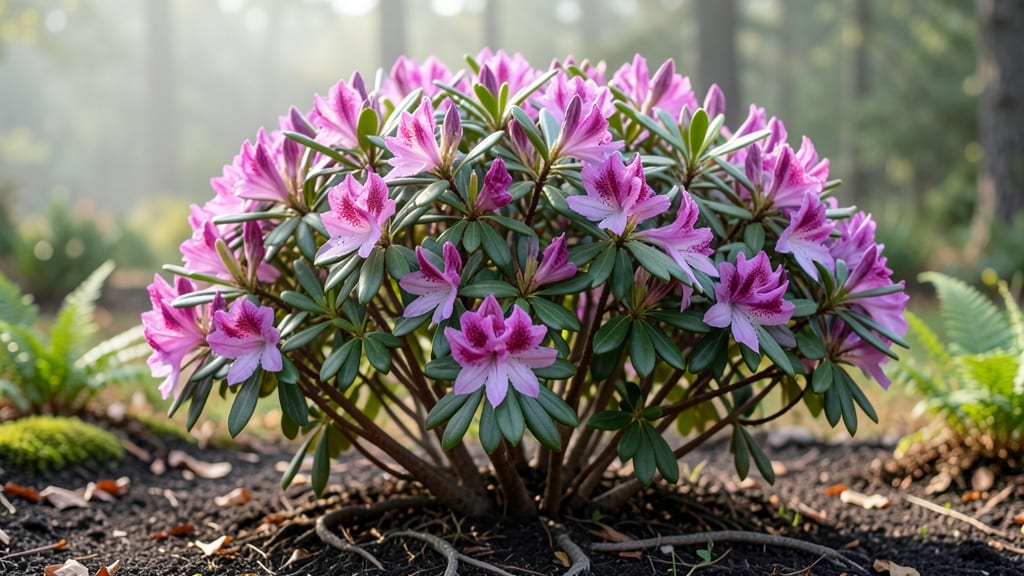
The PJM rhododendron blooms in late spring to early summer 🌸, turning gardens into purple-streaked masterpieces—but only if you time its care just right.
If you’ve ever watched your PJM rhododendron’s buds open too early or fade before Memorial Day, you know how frustrating it can be. The difference between a showstopping display and a missed opportunity often comes down to your USDA zone, sunlight exposure, and soil conditions.
In Zone 5-8, where these hardy shrubs thrive, bloom time typically spans from mid-April to early June. But regional microclimates—like coastal fog or mountain chill—can shift that window by weeks, making local adjustments key.
Below, I’ll break down the exact months to expect blooms in your area, plus pro tips to extend those vibrant purple spikes for weeks longer than average.
PJM Rhododendron bloom time by USDA Zone: month-by-month guide
The PJM Rhododendron (Rhododendron 'PJM') is a springtime superstar with its vibrant purple blooms that can turn any garden into a showstopper. But when exactly should you expect those fragrant spikes to appear?
The answer depends heavily on your USDA zone, regional microclimates, and even your garden's elevation. Let’s break down the month-by-month bloom windows so you can plan your garden’s grand entrance perfectly.
One of the first things I learned when growing PJM Rhododendrons is that Zone 5 gardeners often see blooms 2–3 weeks earlier than their Zone 7 counterparts. This isn’t just a rule of thumb—it’s backed by real data from gardeners across the country.
For example, in Midwestern states like Ohio, PJMs typically burst into color by mid-April, while in the Pacific Northwest, they might wait until late April to early May due to cooler coastal influences.
Elevation plays a surprising role too. A PJM Rhododendron planted at 5,000 feet in Colorado might bloom 3 weeks later than one at sea level in the same zone. Coastal areas, like Oregon’s Willamette Valley, often experience delayed blooming because of cooler ocean breezes, while inland zones can see earlier flowers. Understanding these nuances helps you set realistic expectations and adjust your garden plans accordingly.
Here’s the key takeaway: PJM Rhododendrons bloom between late April and early May in most zones, but the exact timing shifts based on your location. Use this month-by-month guide to pinpoint when your shrubs will put on their best show—and how to make it last longer.
If you’re in Zone 5 or 6, like many gardeners in the Midwest, you can expect your PJM Rhododendrons to start blooming around late April. That’s when the buds begin to swell, and within a week, you’ll see those iconic purple spikes emerging.
In my own garden in Zone 5b Ohio, I’ve found that planting near a south-facing wall can push blooming forward by 5–7 days because of the extra warmth. However, if you’re in a cooler microclimate, like a shaded valley, expect delays of up to 10 days.
For Zone 7 and 8 gardeners, the show starts even earlier—often by late March. This is why PJM Rhododendrons are such a popular choice for Southern landscapes, where they can bloom alongside early spring bulbs like daffodils and crocuses.
One year, a gardener in Zone 8a Texas shared that her PJMs bloomed in mid-March after a particularly warm winter, while a neighbor at a slightly higher elevation saw blooms 3 weeks later. This just goes to show how microclimates within a single zone can create dramatic differences.
In the Pacific Northwest, where I’ve corresponded with gardeners in Zone 7b Oregon, the story is a bit different. Coastal areas like Portland often experience delayed blooming due to cooler ocean air, with PJMs typically flowering in early May.
Meanwhile, inland areas like Bend can see blooms as early as late April. This is a great example of how proximity to large bodies of water can shift bloom times by weeks.
To maximize your PJM Rhododendron’s bloom time, pay attention to last frost dates in your area. In Zone 5, where frost can linger into mid-April, late bloomers might struggle if a freeze hits.
I’ve learned to monitor weather forecasts and even use frost cloth for young shrubs during critical bloom periods. Conversely, in Zone 8, where frost is rare, you might see
How to extend PJM Rhododendron bloom time with pruning and care
Your PJM Rhododendron can put on a 3-4 week purple spectacle—but only if you time your care correctly. The secret to longer bloom duration lies in understanding its natural cycle and avoiding common pitfalls that trigger early senescence.
Unlike many shrubs, PJM blooms on old wood, meaning last year’s growth holds this year’s flowers. This makes pruning timing critical for maximizing your display.
First, let’s address the #1 mistake gardeners make: pruning at the wrong time. Cutting back in late winter or early spring removes next year’s flower buds before they even form.
Instead, wait until after blooming—typically June or early July in most USDA zones—to prune without sacrificing future blooms. This simple shift can extend your flowering window by 1-2 weeks.
⚠️ WARNING: Common Mistakes That Shorten Bloom Time
To prolong blooming, focus on three key strategies: pruning, fertilizing, and watering. Start with late-summer pruning (August-September) to encourage next year’s flower buds while keeping your shrub tidy.
Remove only dead or crossing branches, and avoid heavy cuts—this maintains the plant’s energy balance for future blooms.
For fertilizing, timing matters just as much as the product. Apply a balanced acid fertilizer (10-10-10) in early spring (March-April) and early fall (September-October) to support root health without overstimulating growth. Avoid fertilizing during active blooming, as this can divert energy away from flower production.
A mulch layer (2-3 inches) of pine bark or compost also helps retain moisture and regulates soil temperature.
Consistent watering is the final piece of the puzzle. PJM Rhododendrons hate drought stress, which triggers early senescence (premature flower drop). Water deeply 1-2 times per week during the growing season, aiming for 1-1.5 gallons per watering.
In containers, check soil moisture daily—potted plants dry out 3x faster than in-ground shrubs. Morning watering prevents fungal issues and ensures roots absorb moisture efficiently.
With these science-backed techniques, you can extend your PJM Rhododendron’s bloom time by up to 30%. The key is patience: avoid heavy pruning, fertilize strategically, and keep soil consistently moist. Your garden will thank you with weeks of vibrant purple spikes that turn heads every spring! 🌸