
Shrubs
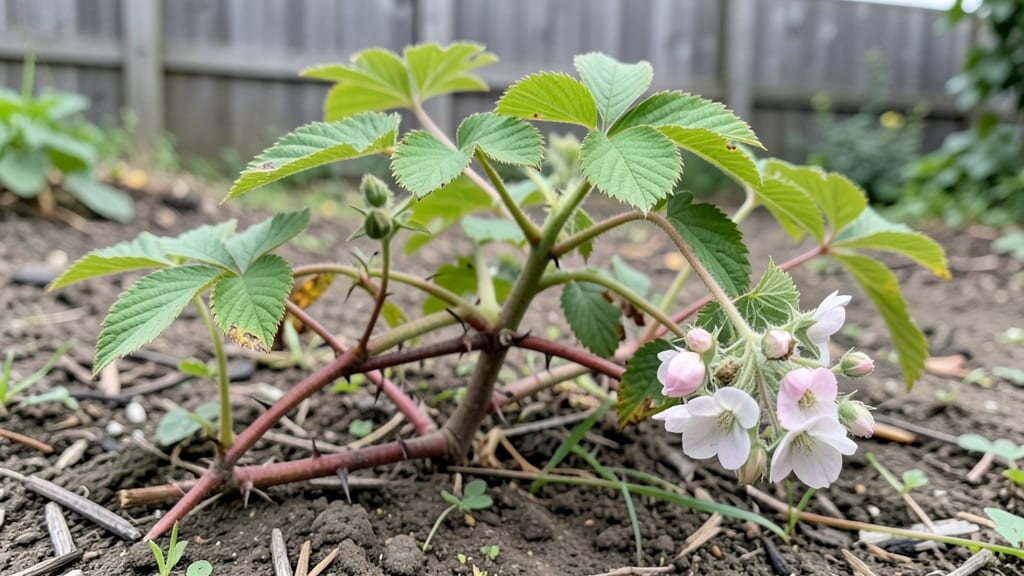
Raspberry plant flowers are the unsung heroes of your garden—without them, you’ll never get those sweet, juicy berries you’re craving.
Did you know your raspberry plant’s delicate flowers hold the key to a bountiful harvest? Understanding their blooming cycle—and how to nurture them—can transform your garden from sparse to spectacular.
In USDA Zone 6a, these flowers typically bloom in late spring, but timing varies based on sunlight, soil health, and even pruning habits. A few simple adjustments—like proper watering or avoiding over-trimming—can double your flower count and fruit yield.
Below, I’ll walk you through when to expect those first blooms, how to encourage more, and the common mistakes that kill flowers before they even form. Let’s get those raspberries thriving!
When do raspberry plant flowers bloom & what determines their timing?
Raspberry plant flowers emerge as tiny, delicate clusters that signal the start of your harvest season. Their blooming timing varies dramatically between spring-bearing and fall-bearing varieties, with climate and sunlight playing starring roles. Understanding these patterns lets you predict—and even influence—when your plants will burst into bloom.
Most raspberries bloom in late spring (May-June) after the last frost, but fall-bearing types produce a second flush in summer (July-August). The key to timing lies in your plant’s chilling requirements—typically 200-500 hours below 45°F during winter dormancy. Without enough cold exposure, flowers may fail to develop entirely.
Sunlight exposure is equally critical: raspberries need 6-10 hours of direct sun daily for optimal flowering. In shadier spots, plants may produce fewer blooms or weaker fruit. Even 1-2 hours less sunlight can delay blooming by 1-2 weeks, while partial shade often results in sparse flowers.
Your local climate zone also shifts timing. In USDA Zones 5-7, spring blooms typically appear 4-6 weeks after last frost, while Zone 8+ gardens may see flowers as early as March. Coastal areas with milder winters often have earlier blooms but risk frost damage to delicate flowers.
Here’s how to predict your plant’s first bloom window based on these factors:
🌱 Spring-bearers (e.g., 'Boyne', 'Heritage'): Bloom late May-early June after 100+ frost-free days and full sun exposure.
🍇 Fall-bearers (e.g., 'Autumn Bliss', 'Caroline'): Produce summer flowers (June-July) that develop into fall fruit, often 2-3 months after spring blooms.
🌡️ Ever-bearing varieties (e.g., 'Heritage'): Can bloom twice yearly—once in spring and again in fall—if given proper pruning and chilling.
| Variety Type | Bloom Time | Sunlight Needs | Chilling Hours | Frost Risk |
|---|---|---|---|---|
| Spring-bearing | Late May-June | 6-10 hours daily | 300-500 hours | High (late frost) |
| Fall-bearing | June-July (summer) | 6-8 hours daily | 200-300 hours | Moderate (early frost) |
| Ever-bearing | Spring + Fall | 8-10 hours daily | 200-400 hours | Low (pruned canes) |
To encourage earlier blooms, I recommend planting in full sun and using black plastic mulch in early spring to warm the soil. This can advance blooming by 1-2 weeks in cooler climates. Conversely, shade cloth during heatwaves prevents flower drop in Zone 9+ gardens.
Watch for flower buds forming in late winter—they’ll look like tiny green cones. If buds swell but don’t open, check for nutrient deficiencies (especially phosphorus) or pest damage from spider mites. A balanced fertilizer (10-10-10) applied in early spring supports robust bud development.
In cooler microclimates, extend the season by choosing early-blooming varieties like 'Nova' or 'Willamette'. These types tolerate light frosts better than traditional spring-bearers. For warmer regions, prioritize heat-tolerant fall-bearers such as 'Dorman Red' to avoid flower scorching.
🌿 Pro Tip: Mark your calendar 3 weeks before expected bloom to monitor for late frost warnings. If frost threatens, cover plants with frost cloth at night—this can save 80% of flowers in critical periods.
Finally, remember that young raspberry plants (1-2 years old) may produce fewer flowers as they establish roots. Patience pays off—3-year-old plants typically bloom 2-3 times more abundantly than first-year canes. Focus on soil health and
5 Science-backed tips to encourage more raspberry flowers & fruit
Raspberry plants produce flowers in clusters called floricanes and primocanes, and their health directly impacts your harvest. Many gardeners struggle with sparse blooms, but science shows simple adjustments can dramatically boost flower production. From pruning techniques to nutrient timing, these evidence-based strategies will help your raspberries thrive.
First, let’s address the biggest misconception: raspberries need balanced care, not just extra water or fertilizer. Overfeeding or improper pruning can actually reduce flowering. The key is understanding how to support natural growth cycles while giving your plants the right conditions to set abundant flowers.
Cut back floricanes (last year’s canes) to ground level after harvest. This redirects energy to primocanes (new growth), which will flower next year. Use clean, sharp shears to avoid disease.
Raspberries thrive in slightly acidic soil (pH 5.5-6.5). Test your soil and amend with sulfur or lime if needed. Nutrient availability skyrockets when pH is optimal.
Apply a balanced fertilizer (10-10-10) in early spring and a potassium-rich supplement (like banana peel tea) during flowering. Potassium strengthens cell walls, reducing flower drop.
Give raspberries 1-2 inches of water weekly, focusing on the root zone. Wet leaves encourage fungal diseases, so avoid overhead watering. Consistent moisture prevents flower bud abortion.
Spider mites and aphids suck flower nutrients. Spray with neem oil or introduce ladybugs to control infestations. Healthy flowers mean more berries—don’t let pests steal your harvest!
Let’s dive deeper into pruning strategies. Many gardeners make the mistake of cutting too aggressively in spring, which removes potential flower buds. Instead, focus on selective pruning—remove only diseased or weak canes. This preserves energy for new primocane growth, which will bear next year’s flowers.
Another game-changer is mulching. Apply 2-3 inches of organic mulch (like straw or wood chips) around your raspberries to retain moisture and regulate soil temperature. Cool roots in summer encourage more robust flowering, while mulch also suppresses weeds that compete for nutrients.
For organic pest control, try companion planting. Marigolds and nasturtiums repel pests naturally, while attracting beneficial insects like bees and hoverflies that pollinate raspberry flowers. A thriving ecosystem around your plants means fewer chemical interventions and healthier blooms.