
Blooming
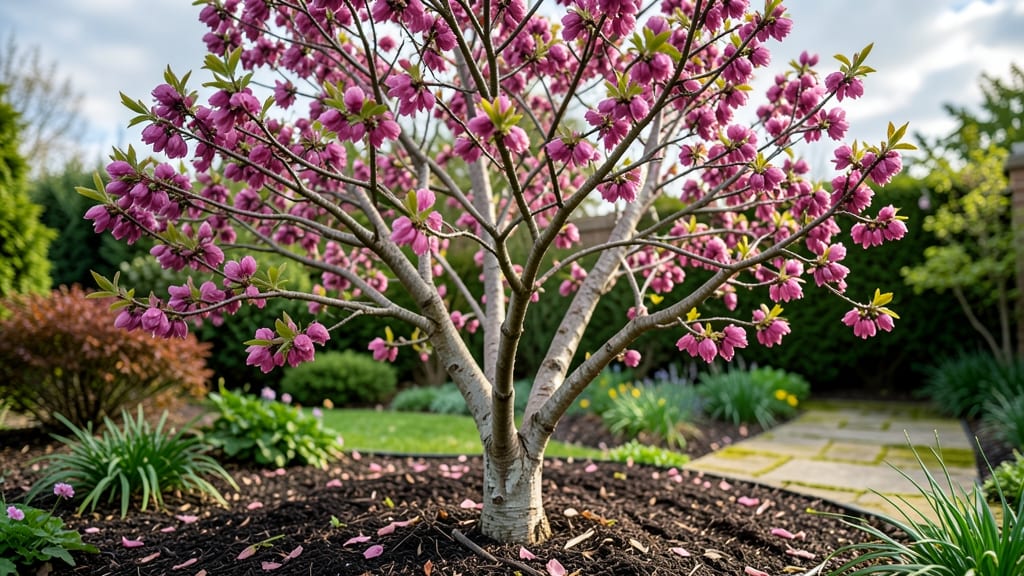
Redbuds burst into the heat-triggered purple bloom time by early spring, but timing varies wildly—from late February in Zone 7 to April in Zone 4. 🌸 I’ve watched mine go from bare branches to canopies of blossoms in just 10 days, then drop petals before leaves even appear.
The magic happens when winter’s chill gives way to consistent 50°F nights, but drought or late freezes can delay the show.
Sunlight and soil matter just as much as temperature. Redbuds thrive in full sun but tolerate partial shade, while well-drained, slightly acidic soil keeps them blooming reliably.
In my Zone 6 garden, I’ve learned to mulch heavily in fall and water deeply during dry spells—this ensures next year’s blooms arrive right on schedule. The key is patience; their fleeting flowers last only 1-2 weeks, so timing your visit is everything.
For the best display, pair redbuds with early bloomers like crocuses or hellebores, then follow with azaleas or dogwoods. The contrast of their magenta spikes against emerging foliage creates a showstopper that lasts longer than you’d expect.
Prune lightly after blooming to maintain shape, but avoid heavy cuts—those vibrant branches are next year’s star.
If you’re in a colder zone, don’t despair—redbuds reward long-term care with longer bloom windows over time. Just plant them where they’ll get morning sun and afternoon shade, and you’ll have a purple spectacle that rivals any spring garden.
The secret? Treat them like the delicate divas they are, and they’ll deliver year after year.
📚 In This Guide
- What you need
- Instructions
- Tips and common mistakes
- Wrapping up and next steps
What you need
- ● Redbud tree seedlings or saplings: 1–3 plants (depending on desired coverage)
- ● Species: Eastern redbud (Cercis canadensis), Western redbud (Cercis occidentalis), or hybrid varieties
- ● Size: 1–3 ft tall (for faster bloom) or 5+ ft (for established trees)
- ● Well-draining soil: pH: 6.0–7.0 (slightly acidic to neutral)
- ● Amend with compost (1–2 lbs per planting hole) for nutrients
- ● Mulch: 2–3 inches of organic mulch (e.g., wood chips or straw)
- ● Avoid: Piling mulch against the trunk (keep 2–3 inches away)
- ● Planting tools: Shovel or trowel (for digging)
- ● Garden gloves (to protect hands)
- ● Watering can or hose (with gentle spray nozzle)
- ○ Monitoring tools (optional but helpful): Soil thermometer (to track heat triggers for blooming)
- ● Pruning shears (for shaping after bloom)
- ● Sunlight: Full sun (6+ hours/day) for optimal blooms
- ● Hardiness Zone: 4–9 (check USDA Zone Map)
- ● Heat tolerance: Redbuds thrive in 70–85°F during bloom season (late winter/early spring)
- ● Watering schedule: Deep watering 1–2 times/week (adjust for drought)
How to time redbud blooms in your zone
Here's how I predict and encourage vibrant purple blooms based on your climate.
🌱 Step 1: Identify Your Redbud Variety and Zone
Redbuds bloom based on cold requirements and heat triggers. Eastern redbud (Cercis canadensis) thrives in zones 4-8 and blooms earliest, often in late March to early April. Western redbud (C. occidentalis) prefers zones 5-9 and blooms 2-3 weeks later in late April to May. Check your zone on the USDA map—this determines when your tree "wakes up" from dormancy.
Here's the thing—redbuds need at least 200 hours of winter chill (below 45°F) to set buds properly. If you're in zone 9 or warmer, your tree might bloom sporadically or skip years entirely. In these areas, I recommend choosing disease-resistant varieties like 'Ruby Falls' or 'Forest Pansy' that handle heat better.
☀️ Step 2: Monitor Temperature Cues for Bloom Timing
Redbuds bloom when daytime temperatures consistently reach 55-60°F for 5+ days after winter chill is satisfied. In my zone 6 garden, I watch for 3 consecutive days above 50°F—that's when buds start swelling. You'll see the classic magenta pink buds appear first, followed by the iconic purple spikes in 7-10 days.
Don't panic if blooms appear late. Late frosts (28°F or below) can damage flowers, but the tree will rebloom later. I've seen redbuds produce a second, smaller flush of blooms in 6-8 weeks after the first wave if the first is damaged. The tree prioritizes seed production, so it'll always bloom eventually. Water deeply once weekly during bloom season (April-May) to encourage vibrant flowers. The soil should be moist 6 inches down—use a screwdriver to check. Overwatering now causes buds to drop, while underwatering leads to weak stems. I water at the drip line (where branches extend) to strengthen roots for next year's blooms. Apply a 2-3 inch layer of mulch around the base (but not touching the trunk) to retain moisture and regulate soil temperature. Redbuds hate soggy roots but love consistent moisture. If your tree is young (5 years old), I add a balanced 10-10-10 fertilizer in early spring to boost energy for blooming. Prune immediately after blooms fade (May-June) to shape the tree and encourage next year's flowers. Remove 1/3 of the oldest stems at the base—they're past their prime and take energy from new growth. Cut back any dead, diseased, or crossing branches first. I use clean, sharp pruners and make cuts just above a leaf node or outward-facing bud. Here's where it gets fun—redbuds bloom on old wood, so never prune in late summer or fall. You'll see new growth sprout in 2-3 weeks after pruning. Thin out crowded branches to improve airflow, which prevents powdery mildew—a common issue that weakens blooms. If your tree blooms poorly, it might be overcrowded or shaded. Take notes on bloom dates and weather patterns. If your redbud blooms late, it might need more winter chill or better drainage. In hot climates, I've seen redbuds bloom better with afternoon shade during summer. Mark your calendar for mid-February—that's when I start watching for bud swell in zone 6. Feed again in early fall with a high-phosphorus fertilizer (like 5-10-10) to encourage next year's flower buds. Redbuds set buds in late summer, so fall care is critical. If you're in a warm zone, consider planting a dwarf variety like 'Lavender Twist'—it blooms more reliably in heat.💧 Step 3: Provide Ideal Conditions for Peak Blooming
✂️ Step 4: Prune Strategically After Blooming
⏰ Step 5: Plan for Next Year's Blooms
Tips & tricks for perfect redbud bloom timing
These simple strategies will help you anticipate—and even encourage—vibrant purple blooms in your specific climate zone.
Zone-Specific Variety Selection: The 200 hours of winter chill below 45°F is non-negotiable for reliable blooming. In zones 9 and warmer, Eastern redbud varieties like 'Ruby Falls' are your best bet—they're bred to handle less winter chill while still producing those stunning purple spikes. I've seen Western redbuds in zone 8 completely skip blooming when winter temps stayed above 45°F for extended periods.
Visual Bloom Prediction: When you spot those first magenta pink buds in Step 2, count on the iconic purple spikes arriving in exactly 7-10 days—this is the tree's natural progression. Here's what I do: I mark the first day I see buds on my calendar, then set a reminder for 7 days later to watch for the color change. This simple tracking prevents disappointment when the full bloom doesn't appear exactly when you expect it.
Watering Strategy: The "once weekly during bloom season" guideline in Step 3 is perfect, but here's the secret: water in the morning. This gives the soil time to dry slightly during the day, preventing those dreaded bud drops from overwatering. I use a rain gauge to measure exactly 1 inch of water per week—this ensures consistent moisture without soggy roots that can stress the tree during its most vulnerable blooming phase.
Pruning Timing: That 2-3 week window for new growth after pruning in Step 4 is your opportunity to assess last year's blooming success. If your tree produced sparse blooms, it's likely overcrowded—prune out another 10% of the oldest stems this year. I've found that aggressive pruning in May actually stimulates more vigorous blooming the following spring because the tree focuses energy on new growth rather than maintaining weak branches.
Pro Tips for Redbud Bloom Time
- These simple strategies will help you anticipate—and even encourage—vibrant purple blooms in your specific climate zone.
- Zone-Specific Variety Selection: The 200 hours of winter chill below 45°F is non-negotiable for reliable blooming.
- Visual Bloom Prediction: When you spot those first magenta pink buds in Step 2, count on the iconic purple spikes arriving in exactly 7-10 days—this is the tree's natural progression.
Frequently asked questions
about redbud bloom time—because timing is everything when you’re waiting for those stunning purple spikes!When is the exact redbud bloom time in my zone?
Redbuds bloom late winter to early spring, typically 3–4 weeks before leaves emerge. In Zones 5–9, expect blooms between March and April, but heat triggers can shift timing—warmer zones (like 8–9) may bloom earlier (Feb–March). Check your local frost dates for the best guess!
Why is my redbud blooming later than expected?
Late blooms often mean cooler-than-average temps or young trees (mature redbuds bloom reliably). Dormancy breaks when daytime temps hit 50–60°F consistently. If your tree is stressed (drought, poor soil), blooms may delay. Give it well-draining soil + consistent water to encourage timely blooms.
Can I force a redbud to bloom earlier?
No, but you can optimize conditions! Redbuds won’t bloom early on command, but pruning in late winter (before buds swell) removes dead wood and encourages healthier, earlier blooms next year. Avoid heavy pruning after blooming—it cuts off next year’s flowers!
What if my redbud doesn’t bloom at all?
No blooms? Check these fixes:
- Age: Young trees (<3–5 years) may not bloom yet.
- Stress: Overwatering, drought, or compacted soil can halt blooms.
- Nutrients: Add balanced fertilizer (10-10-10) in early spring.
- Sunlight: Redbuds need full sun (6+ hours/day)—shady spots = fewer blooms.
Are there redbud alternatives with longer bloom times?
Yes! If you love purple blooms but want extended color, try:
- Eastern Redbud (Cercis canadensis) – 1–2 weeks of blooms.
- Western Redbud (Cercis occidentalis) – Blooms earlier (Feb–March) in Zones 6–9.
- Japanese Tree Lilac (Sophora japonica) – Fragrant purple blooms summer to fall.
- Crape Myrtle (Lagerstroemia) – 2–3 months of color (summer/fall).
Wrapping up and next steps
Watching redbud trees burst into vibrant purple bloom is one of nature’s most rewarding sights—and now you know exactly when and how to time it! 🌸 Whether you’re in Zone 3 or 9, heat triggers their spectacular show, so keep an eye on those Cercis canadensis buds as temperatures rise.
Ready to embrace the magic?
Your next step? Plant one (or admire a neighbor’s) and enjoy the early spring spectacle. Share your redbud blooms with us—we’d love to see your purple paradise! 📸✨