
Blooming
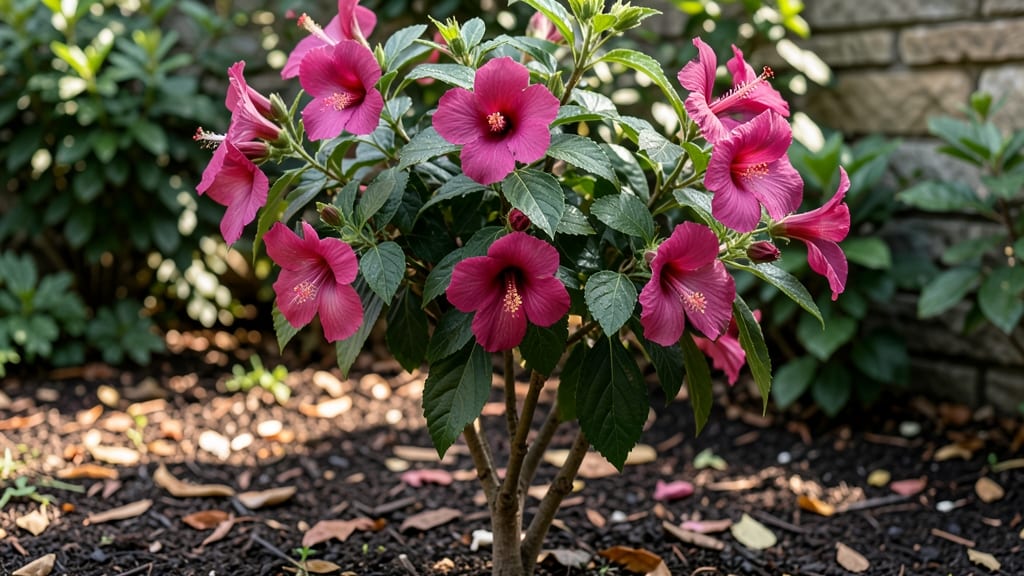
The Rose of Sharon bloom time is a heat-triggered dance between your garden and the seasons — and getting it right means vibrant blooms from early summer through fall.
If you’ve ever wondered why your 🌸 Rose of Sharon blooms sporadically—or why some varieties explode with color while others barely bud—understanding its heat-triggered bloom stages is the key to unlocking year-round floral magic.
In Zone 6a, where many gardeners call home, blooms typically kick off in June and stretch into October, but the exact timing depends on variety, sunlight, and even last year’s pruning. A ‘Blue Chiffon’ might peak in July, while ‘Pink Giant’ could linger into September.
Below, I’ll break down the science behind its bloom triggers, how to adjust for your climate, and the simple tweaks that turn a few scattered flowers into a shrub bursting with color—plus how to pair it with other seasonal stars for a showstopping display.
How heat triggers Rose of Sharon bloom time by variety
The Rose of Sharon (Hibiscus syriacus) is a heat-loving shrub that responds dramatically to temperature shifts, with bloom cycles directly tied to daytime highs between 60°F and 90°F.
Unlike many flowering shrubs, it doesn’t bloom on old wood—new growth triggered by warmth produces showy flowers in late summer and fall. Understanding these heat thresholds helps you predict—and even extend—your plant’s flowering season.
Some varieties like ‘Blue Chiffon’ or ‘Pink Giant’ thrive in hotter climates (Zones 6–9), while others like ‘White Chiffon’ may need cooler mornings to set buds. The key? Consistent warmth without extreme heat stress (above 95°F can halt blooming).
Let’s break down how each variety responds to heat and when you can expect those stunning clusters of blooms.
🌡️ Temperature Thresholds for Peak Blooming:
Notice how ‘Blue Chiffon’ and ‘Diana’ dominate the heat-tolerant list? These varieties are perfect for southern gardens (Zones 7–9), where they’ll reward you with longer bloom seasons. In contrast, ‘White Chiffon’ prefers cooler summers—ideal for Zones 5–6—and may struggle if daytime temps creep above 80°F for weeks.
Here’s the secret to extending blooms: Prune your Rose of Sharon right after its first flush of flowers (late summer) to encourage a second wave. This works because the plant interprets the post-bloom heat as a signal to produce new growth—and new buds.
For example, if your ‘Pink Giant’ blooms in July, prune in early August to trigger September–October flowers.
Watch for heat stress signs like wilting leaves or dropped buds, which often mean temps are too high. In Zone 9+ gardens, provide afternoon shade during peak summer to protect varieties like ‘Pink Giant’.
A simple lightweight shade cloth (30–50%) can make all the difference in preserving blooms during 90°F+ days.
Pro tip: Mulch heavily (3–4 inches of organic mulch) to regulate soil temps and retain moisture. This mimics the natural heat triggers the
USDA Zone-specific bloom timelines for year-round planning
Timing your Rose of Sharon blooms depends heavily on your USDA zone. In Zones 6–9, expect vibrant early-summer blooms (June–July), while Zones 5–7 often see delayed but stunning fall displays (September–October). Understanding these patterns helps you plan companion plants and maintenance tasks for a year-round floral show.
Warmer zones (7–9) trigger blooms earlier due to consistent heat, while cooler zones (5–6) may delay flowering until temperatures stabilize. Pruning in late winter (before buds swell) and fertilizing in early spring can shift bloom timing by 2–4 weeks, extending your display.
| Zone | Primary Bloom Window | Secondary Blooms | Pruning Tip |
|---|---|---|---|
| 5–6 | Late July–September | Minimal (cool nights delay) | Light prune in March to avoid frost damage |
| 7 | June–August | September–October (rebloom) | Prune after first frost to encourage rebloom |
| 8–9 | May–July | September (heat-sensitive varieties) | Deadhead spent blooms in summer for fall color |
In Zone 5, where winters are harsh, your Rose of Sharon may wait until July 15–August 15 to bloom, often producing fewer flowers. To extend the season, mulch heavily in fall and water deeply before dormancy—this preserves energy for next year’s blooms.
Zones 8–9 offer the longest bloom windows, but late-summer heatwaves can stress plants. Dappled shade cloth during peak afternoon sun (1–4 PM) preserves blooms while preventing leaf scorch. Pair this with bi-weekly fertilization (May–July) to boost flower production.
For fall reblooms, prune lightly after the first frost in Zones 5–7. Remove only dead or crossing branches—never cut into old wood, as this reduces next year’s buds. In Zones 8–9, prune post-bloom to shape the shrub without sacrificing fall color.
Pro tip: Track your local last frost date and count 120 days forward to predict peak blooms. Adjust pruning and fertilizing 2 months before this window for synchronized color bursts.
With these zone-specific tweaks, your Rose of Sharon can bloom reliably from June to October—no matter where you garden. 🌸