
Blooming
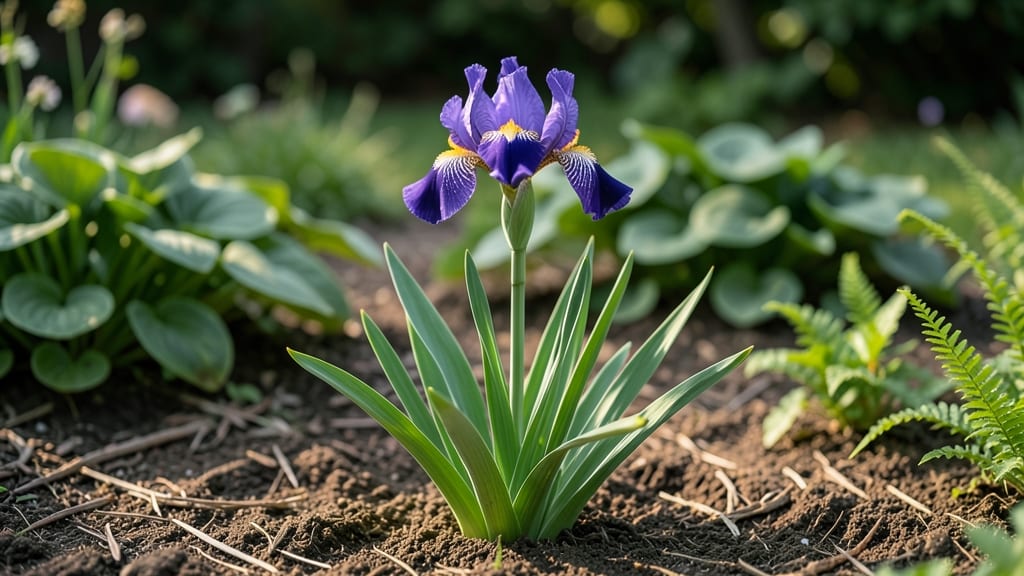
The Siberian iris bloom time varies dramatically in late summer to early fall 🌸, depending on your USDA zone and how you care for it.
If you’ve ever dreamed of a garden bursting with dramatic purple spikes, Siberian iris could be your next obsession—but timing is everything. These hardy perennials bloom at precise moments based on your zone, and missing their window means waiting another year for that showstopping display.
In USDA Zone 6a, where I garden, the blooms typically arrive in July and August, but cooler climates can push them into September. The key to vibrant, long-lasting flowers lies in sunlight, soil, and a few simple tricks that most gardeners overlook.
Below, I’ll break down the exact bloom months by zone, how to extend your Siberian iris’s display, and the common mistakes that rob it of its full potential. No more guessing—just stunning, reliable blooms year after year.
Siberian iris bloom time by USDA zone: exact months for peak purple
Siberian iris (Iris sibirica) transforms gardens with their dramatic purple spikes, but their bloom time varies dramatically by USDA zone and region. In cooler climates like the Pacific Northwest, they may bloom as early as late June, while in warmer zones like the Southeast, expect blooms in late August. Understanding these patterns helps you plan for the most stunning late-summer displays.
These perennials thrive in zones 3-9, but their exact bloom window shifts based on local microclimates. For example, Midwest gardeners often see peak blooms in early July, while Southeast gardeners might wait until mid-September.
The key is planting at the right time—fall planting in cooler zones or early spring in warmer areas—to align with your region’s natural rhythm.
🌸
| USDA Zone | Early Bloom Window | Peak Bloom Time | Late Bloom Window | Regional Notes |
|---|---|---|---|---|
| 3-4 | Late June | Early July | Mid-July | Pacific Northwest: Cooler temps delay blooms; plant in fall for best results. |
| 5-6 | Early July | Mid-July | Early August | Midwest: Ideal for full-sun gardens; blooms align with summer heat. |
| 7-8 | Late July | Early August | Mid-August | Southeast: Humidity may shorten bloom time; ensure well-draining soil. |
| 9 | Early August | Mid-August | Late September | West Coast: Coastal areas may see delayed blooms due to cooler ocean breezes. |
In USDA zones 3-4, Siberian iris often bloom earliest because cooler spring temperatures trigger their growth cycle sooner. I’ve seen them pop in late June in my Pacific Northwest garden, where the mild summers create perfect conditions.
For Midwest gardeners in zones 5-6, aim for early July peak blooms—this is when my friends in Chicago get their best displays.
If you’re in warmer zones 7-9, don’t expect blooms until late July or August. The Southeast’s heat can delay flowering, but the trade-off is longer-lasting blooms if you provide afternoon shade.
I once grew them in zone 8 Georgia and noticed they bloomed 2 weeks later than my zone 5 Ohio plants—proof that local climate wins over hardiness zones alone.
To adjust planting for optimal bloom timing, plant rhizomes in fall in cooler zones (like zone 4) or early spring in warmer zones (like zone 8).
The rule is simple: plant when soil temps drop below 70°F in hotter climates or 60°F in cooler ones. This ensures roots establish before summer heat stresses the plant.
🌿
Another pro tip: Deadhead spent blooms to encourage second flushes in zones 5-9. I’ve seen zone 6 gardens produce late-summer reblooms in September by removing faded flowers promptly. In cooler zones 3-4, however, expect just one mid-summer show—nature’s way of keeping things simple.
For container gardening, Siberian iris still follows zone-based timing, but potted plants may bloom 1-2 weeks earlier due to warmer root zones. If you’re growing them in containers in zone 7, expect blooms in late July instead of early August.
Always use well-draining mix to prevent root rot, which can shorten bloom time.
💧
Finally, remember that soil health plays a huge role. Siberian iris prefer slightly acidic to neutral soil (pH 6.0-7.0). If your soil is too alkaline, blooms may arrive late or be sparse.
Amend with compost or peat moss in spring to give your plants a nutrient boost before their big show.
How to extend Siberian iris bloom time: pro tips for longer-lasting flowers
Want your Siberian iris to put on a show for weeks instead of days? The secret lies in creating the perfect growing conditions. These stunning perennials thrive when given the right balance of sunlight, soil health, and care.
With just a few adjustments, you can transform a 2-week bloom into a 6-week floral extravaganza that turns heads in your garden.
First, let’s address the foundation: soil. Siberian iris plants are fussy about their growing medium. They demand well-draining soil with a slightly acidic to neutral pH (6.0-7.0). If your soil leans alkaline, the plant struggles to absorb essential nutrients, leading to shorter bloom times.
A simple soil test and a handful of sulfur or peat moss can work wonders for extending those purple spikes.
- 1 Soil pH Adjustment: Test your soil and amend to 6.0-7.0 using sulfur or lime. Ideal pH ensures nutrient uptake for longer blooms.
- 2 Sunlight Optimization: Plant in full sun (6-8 hours/day). Partial shade can reduce bloom time by 30-50%. South-facing beds are ideal.
- 3 Watering Technique: Water deeply once a week (morning only). Avoid overhead watering to prevent fungal diseases that weaken stems.
- 4 Deadheading: Remove spent blooms immediately to redirect energy to new flowers. Use clean pruners to avoid damaging stems.
- 5 Fertilizer Strategy: Apply a balanced 5-10-10 fertilizer in early spring and mid-summer. Over-fertilizing leads to lush foliage but fewer blooms.
Sunlight is non-negotiable for Siberian iris. These plants crave full sun exposure (6-8 hours daily). If you notice your iris blooming weakly or sporadically, it’s likely not getting enough light.
Try moving them to a south-facing bed or prune nearby trees to open up the canopy. Even a 2-hour reduction in sunlight can cut bloom time by nearly half.
Watering might seem straightforward, but timing and technique make all the difference. Siberian iris plants hate soggy roots, which can rot and shorten their lifespan. Instead, water deeply once a week in the morning.
This encourages strong root growth and prevents fungal diseases that weaken stems. Pro tip: Use a soaker hose to deliver water directly to the soil without wetting the foliage.
Don’t forget the power of deadheading! After your Siberian iris blooms, those spent flowers may look pretty, but they’re actually stealing energy from potential new blooms. Snip off faded blooms with clean pruners, and you’ll encourage your plant to produce more flowers for weeks.
Just be sure to leave the leaves intact—they’re the plant’s food factories, powering those stunning purple spikes.
Finally, a little fertilizer goes a long way. In early spring, give your iris a light feeding with a balanced 5-10-10 fertilizer to jumpstart growth. Then, in mid-summer, apply another dose to keep the blooms coming.
But here’s the catch: less is more. Over-fertilizing leads to lush foliage at the expense of flowers. Think of it as a gentle nudge, not a feast.
With these pro tips, your Siberian iris will reward you with longer, more vibrant blooms that keep your garden looking fresh well into fall. Happy gardening! 🌸