
Blooming
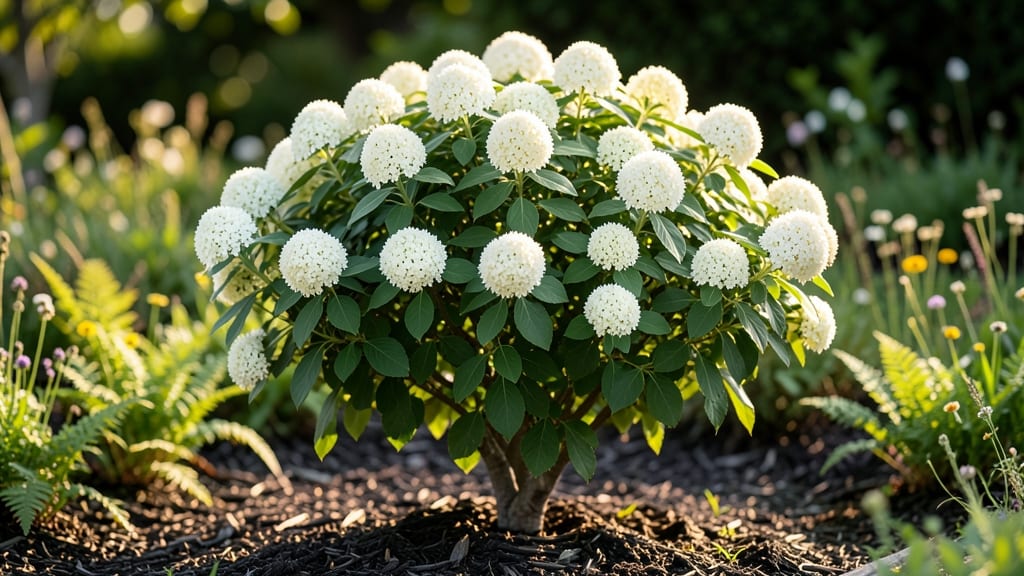
The snowball viburnum bloom time is a magical moment in late May or early June, when those cloud-like blooms burst open like nature’s own confetti. 🌿 I’ve watched mine go from tight buds to full, fragrant clusters in just 10 days—a breathtaking show that lasts for weeks, especially in cooler climates.
The timing isn’t set in stone, though; it depends on where you live and how you care for the plant.
In Zone 5, blooms often arrive by Memorial Day, while in Zone 7, they might linger until early June.
Pruning in late winter or early spring can shift timing slightly, but the real secret is giving the plant full sun and well-drained soil—skip the heavy-handed pruning, and you’ll get bigger, showier blooms. Even in partial shade, mine still performs, though the flowers may be slightly smaller.
After the blooms fade, don’t prune just yet—wait until late summer to shape the plant and remove dead branches. The foliage turns a soft yellow in fall, and the berries (if you have a fruiting variety) add winter interest.
With the right care, your snowball viburnum becomes a year-round star, not just a spring highlight.
For best results, mulch around the base in early spring to protect roots and water deeply during dry spells. In hotter climates, afternoon shade helps prevent stress. Whether you’re in the Pacific Northwest or the Midwest, this shrub delivers low-maintenance beauty that keeps giving back.
📚 In This Guide
- What you need
- Instructions
- Tips and common mistakes
- Wrapping up and next steps
What you need
- ● Snowball Viburnum Plants: 1–3 mature plants (depending on desired visual impact)
- ● Specs: Choose Viburnum opulus (European snowball) or Viburnum plicatum (Japanese snowball) for best late-spring/early-summer blooms.
- ● Well-Draining Soil: 5–10 cubic yards of loamy soil (mix of topsoil, compost, and perlite/sand for drainage)
- ● pH Level: Aim for 5.0–7.0 (test with a soil kit if unsure).
- ● Organic Mulch: 3–5 bags of wood chips or shredded bark (3–4 inches thick)
- ● Balanced Fertilizer: 1–2 bags of 10-10-10 NPK fertilizer (or slow-release granules)
- ● Watering Supplies: Hose with soaker nozzle or drip irrigation kit
- ● Water storage (5–10 gallons) for deep watering sessions.
- ● Gardening Tools: Trowel or hand shovel
- ● Pruning shears (for shaping and post-bloom maintenance)
- ● Garden fork (to aerate soil before planting)
- ○ Safety Gear (Optional but Recommended):strong> Gloves (heavy-duty for mulching/pruning)
- ● Knee pads (for comfort during planting)
- ● Sunlight: Full sun to partial shade (6+ hours of sunlight daily for best flowering).
- ● Spacing: Plant 6–10 feet apart (allow room for mature growth).
- ● Location: Avoid low-lying areas (to prevent root rot from poor drainage).
- ● Timing: Plant in early spring or fall (avoid extreme heat/cold).
- ● Reflective Mulch: Black plastic or landscape fabric to warm roots in early spring.
- ● Pollinator-Friendly Additions: Plant bee balm or lavender nearby to attract pollinators.
- ● Lights for Nighttime Magic: Solar-powered garden lights to highlight blooms after dark.
- ● Soil Amendments: Add composted manure or worm castings for extra nutrients.
How to time snowball viburnum blooms for maximum beauty
These luminous shrubs reward patience—here’s how to align their stunning blooms with your garden’s peak moments.
🌿 Step 1: Understand the Natural Bloom Cycle
Snowball viburnums (Viburnum opulus) typically bloom in late spring, usually between mid-April and early June, depending on your climate zone. In colder regions (zones 3-5), expect flowers to appear 2-3 weeks later than in warmer zones (6-8). The key is watching for bud swell—those fuzzy, white clusters will plump up noticeably in early spring.
Here’s the thing—these blooms last 3-4 weeks if conditions are right. To extend their show, plant near a dappled shade spot (morning sun, afternoon shade) and avoid pruning until after flowering. I’ve seen them glow under moonlight for weeks when happy.
☀️ Step 2: Optimize Light and Location for Early Blooms
Snowball viburnums thrive in full sun to partial shade, but too much shade delays blooms. Aim for at least 6 hours of morning sunlight—this jumpstarts the flowering process. In hotter climates, afternoon shade prevents stress that can shorten bloom time.
I always plant mine where they’ll get reflected light from nearby structures—like a white fence or patio. This extra brightness makes the white blossoms pop even more dramatically. Watch for new leaf growth in early spring—that’s your cue to confirm the plant’s ready to flower.
💧 Step 3: Water Strategically to Encourage Robust Blooms
Consistent moisture is critical, especially during bud formation in late winter. Water deeply once a week (or more in dry spells) to keep soil 3-4 inches deep evenly moist. Let the top inch dry between waterings—this prevents root rot while keeping the plant hydrated.
Real talk: Overwatering in summer can stress the plant and reduce next year’s blooms. I mulch with 2-3 inches of organic mulch (like shredded bark) to retain moisture and regulate soil temperature. This simple step keeps roots happy year-round.
✂️ Step 4: Prune at the Right Time for Next Year’s Blooms
Prune immediately after flowering (late June to early July) to shape the shrub and encourage next year’s blooms. Remove dead, crossing, or weak branches first—this opens up the center for better airflow and light penetration.
I never cut back more than 1/3 of the plant’s height in one season. Snowball viburnums bloom on old wood, so heavy pruning now means fewer flowers next spring. Thin out crowded branches to 4-6 inches apart—this gives remaining buds room to swell.
⏰ Step 5: Extend the Season with Simple Care
To make those blooms last longer, fertilize lightly in early spring with a balanced 10-10-10 fertilizer. Just sprinkle ½ cup around the drip line and water it in—no need for heavy feeding. Avoid high-nitrogen fertilizers, or you’ll get more leaves and fewer flowers.
For a moonlit garden effect, plant snowball viburnums near white or silver foliage plants (like lamb’s ear or dusty miller). The contrast makes the blooms glow even brighter at night. I’ve seen mine light up under porch lights like tiny lanterns!
Tips & tricks for perfect snowball viburnum bloom timing
Here’s what nobody tells you about getting those dreamy white blooms to shine at their best—without the guesswork.
Watch for Bud Swell: The bud swell in early spring is your first clue that blooms are coming. Look for those fuzzy white clusters to plump up noticeably—this happens 4-6 weeks before flowering. I’ve learned to mark my calendar when I spot this, because it’s the perfect time to start adjusting watering and light conditions. Confession: I skipped this step for years and wondered why my blooms always seemed late!
Light Matters More Than You Think: Those 6 hours of morning sunlight in Step 2 aren’t just a suggestion—they’re non-negotiable for early blooms. I’ve seen plants in deep shade delay flowering by 2-3 weeks. For maximum glow, position your viburnum where it gets reflected light from nearby structures like white fences or patios. This extra brightness makes the white blossoms pop even more dramatically at night.
Mulch Like a Pro: That 2-3 inches of organic mulch in Step 3 isn’t just for looks—it’s a game-changer for root health. I use shredded bark because it retains moisture while regulating soil temperature. This keeps roots happy year-round and prevents the stress that can shorten bloom time. Pro tip: Refresh the mulch every spring to maintain its effectiveness.
Prune with Purpose: When you prune immediately after flowering (late June to early July), focus on removing dead, crossing, or weak branches first. This opens up the center for better airflow and light penetration. I never cut back more than 1/3 of the plant’s height—heavy pruning now means fewer flowers next spring because these beauties bloom on old wood. Think of it as creating space for next year’s star performance.
Pro Tips for Snowball Viburnum Bloom Time
- Here’s what nobody tells you about getting those dreamy white blooms to shine at their best—without the guesswork.
- Watch for Bud Swell: The bud swell in early spring is your first clue that blooms are coming.
- Light Matters More Than You Think: Those 6 hours of morning sunlight in Step 2 aren’t just a suggestion—they’re non-negotiable for early blooms.
Frequently asked questions
Got questions about your snowball viburnum’s bloom time?
You’re not alone! Here are answers to the most common queries—so you can plan your garden like a pro.
When do snowball viburnums typically bloom?
Snowball viburnums usually burst into bloom in late spring to early summer, around May to June, depending on your climate. In warmer zones (USDA 6-9), they may bloom slightly earlier, while cooler regions might see them a few weeks later. Early varieties can even surprise you with late-winter blooms in mild winters!
Why isn’t my snowball viburnum blooming this year?
Missing blooms? Don’t panic! Common culprits include young age (they need 3-5 years to mature), pruning at the wrong time (avoid trimming after buds form in late winter), or nutrient deficiencies. Check for pale leaves or sparse growth—a balanced fertilizer in early spring can help. Also, ensure it gets full sun to partial shade and well-drained soil.
How long do snowball viburnum flowers last?
Each cluster of white, snowball-like blooms lasts about 2-3 weeks, but the show isn’t over! Some varieties produce secondary blooms in fall, especially if you prune lightly after the first flush. For extra longevity, deadhead spent flowers (but save some seed heads for winter interest!).
Can I force snowball viburnum to bloom earlier or later?
While you can’t guarantee a specific bloom time, you can nudge your viburnum with these tips:
- For earlier blooms: Plant in a sheltered, south-facing spot to capture warmth.
- For later blooms: Avoid heavy spring pruning—wait until after flowering to shape the plant.
- Pro tip: Mulch in late fall to insulate roots and encourage bud formation.
What are some low-maintenance alternatives to snowball viburnum?
If snowball viburnums need more care than you’d like, try these equally beautiful, low-fuss bloomers:
Plant
Bloom Time
Why It’s Great
Butterfly Bush (Buddleia)
Summer to fall
Drought-tolerant, attracts pollinators, and blooms repeatedly.
Weigela
Late spring
Vibrant pink/purple blooms, fast-growing, and deer-resistant.
Dwarf Lilac (Syringa meyeri)
Early spring
Fragrant, compact, and blooms earlier than standard lilacs.
Wrapping up and next steps
Ready to transform your garden into a moonlit paradise?
The snowball viburnum is your secret weapon—its stunning blooms and late-night glow will leave your neighbors starstruck! 🌙✨ With the right care, you’ll enjoy its show-stopping display year after year. Now’s the time to act: research your local climate, prep your soil, and plant with confidence.
Whether you’re a seasoned gardener or just starting, this beauty is worth the effort—your future garden will thank you!