
Blooming
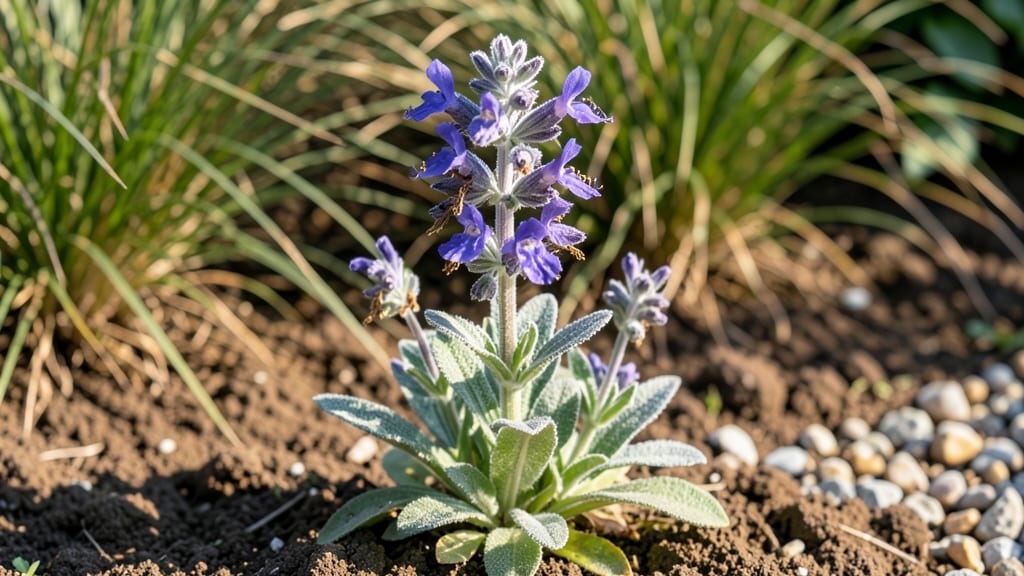
Speedwell blooms thrive in spring and summer 🌸, but their exact bloom time shifts dramatically depending on your heat zone and the variety you grow.
Wondering why your Speedwell flowers bloom earlier—or later—than expected? Heat zones play a far bigger role in shifting flowering windows than most gardeners realize, and understanding them can mean the difference between a vibrant spring display and a disappointing wait.
In Zone 6a, where many gardeners plant Speedwell in March–April, you’ll typically see blooms from June through August, but cooler zones like 5 push that window back by weeks. Meanwhile, varieties like Veronica spicata can flower as early as May, while others wait until July.
Below, I’ll break down how to read your climate zone, which Speedwell types bloom first, and the simple tricks to coax earlier—or later—flowering, so you can enjoy those cheerful blue, purple, and white blooms for as long as possible.
How heat zones directly impact Speedwell bloom time
Speedwell (Veronica spp.) is one of those charming perennials that rewards patience with delicate blooms, but its flowering schedule isn't set in stone—it shifts dramatically based on your USDA heat zone.
In Zone 3, for example, you might see early spring blooms as soon as May, while gardeners in Zone 11 could enjoy late summer flowers well into October.
These differences aren't just about timing; they affect which Speedwell varieties thrive in your area and how long your garden stays colorful.
The key lies in how temperature thresholds trigger Speedwell's flowering cycle. Most varieties need cool soil temperatures (around 50–60°F) to break dormancy and begin bud formation. In warmer zones, this happens later in the season, while cooler climates kickstart the process earlier.
Microclimates—like a shady corner or a sunny border—can even shift bloom times by weeks within the same zone.
For gardeners in Zones 4–7, the classic spring bloom (April–June) dominates, but late summer varieties like Veronica spicata 'Sunny Border Blue' can extend color until September with proper care.
Meanwhile, Zone 8+ gardeners often see two bloom cycles: one in early spring and another in late summer, thanks to milder winters and longer growing seasons.
Understanding your heat zone isn’t just about predicting when Speedwell will bloom—it’s about selecting the right varieties for your climate.
For instance, Zone 3 gardeners should focus on hardy types like Veronica officinalis, which tolerates early frosts, while Zone 10+ gardeners can experiment with tropical-looking Veronica 'Red Fox', which thrives in heat but still needs afternoon shade to prevent wilting.
One of the most overlooked factors is soil temperature. Speedwell roots need to warm to 55°F (13°C) before buds form. In cooler zones, this happens in early spring, but in warmer zones, it might not occur until late spring or early summer.
A simple soil thermometer can help you time plantings for optimal blooms. For example, if you’re in Zone 7 and want July flowers, start seeds indoors in March to give roots a head start.
Microclimates can override zone-based predictions. A south-facing wall in Zone 5 might create a microclimate warm enough for Zone 7 blooms, while a shady woodland garden in Zone 9 could delay flowering until June.
Pay attention to where Speedwell thrives (or struggles) in your yard—this is your clue to adjust planting locations for the best results.
For gardeners in transition zones (e.g., Zone 6b–7a), the line between early and late bloomers blurs. Here, deadheading spent flowers can trick Speedwell into producing a second flush of blooms in late summer.
In Zone 8+, where heat stress is a risk, mulching with straw or wood chips keeps roots cool and encourages continuous flowering. Even a 5°F difference in soil temperature can shift bloom times by 1–2 weeks, so every detail matters.
If you’ve ever planted Speedwell and wondered why your neighbor’s plants bloomed months earlier (or later), the answer is likely in your heat zone and local microclimates. By aligning your variety choices, planting times
Best Speedwell varieties for early vs. late blooming windows
Choosing the right Speedwell varieties can transform your garden into a year-round floral masterpiece. Some cultivars burst into bloom as early as late spring, while others hold onto their flowers well into fall.
The key lies in matching your USDA heat zone with the right Veronica species to maximize your flowering window.
For gardeners in cooler zones (3-6), early bloomers like Veronica officinalis thrive, while those in warmer zones (7-10) can enjoy late-season varieties like Veronica spicata 'Red Fox'. Strategic planting can extend your blooms by 6-8 weeks, creating a seamless transition from spring to summer displays.
My favorite early bloomer, Veronica officinalis, kicks off the season in Zone 3 as soon as soil temperatures hit 50°F. This hardy perennial thrives in partial shade and produces delicate blue flowers that attract pollinators.
Pair it with heuchera for a stunning spring border that transitions beautifully into summer.
For late-season color, Veronica spicata 'Red Fox' is unbeatable. This variety blooms from July through September in Zones 4-9, offering vibrant red spikes that contrast beautifully with goldenrod or sedum. Its drought tolerance makes it perfect for low-maintenance gardens.
To extend your flowering season, try planting Veronica longifolia alongside early bloomers. This variety bridges the gap between spring and summer with its blue-purple spikes that appear in early June and last through July. Its tall, upright habit makes it ideal for back-of-border planting.
For container gardens, Veronica 'Sunny Border Blue' is a compact choice that blooms from June to August. Its bright blue flowers thrive in Zones 3-7 and pair perfectly with lavender or salvia for a Mediterranean-inspired look. Place it in a sunny patio spot for maximum impact.
Don't overlook Veronica 'Icicle' for late-summer interest. This variety produces pure white flowers from August through frost in Zones 4-8. Its airy blooms create a soft contrast against deep purple foliage like coleus or heuchera, extending your garden's season well into fall.