
Blooming
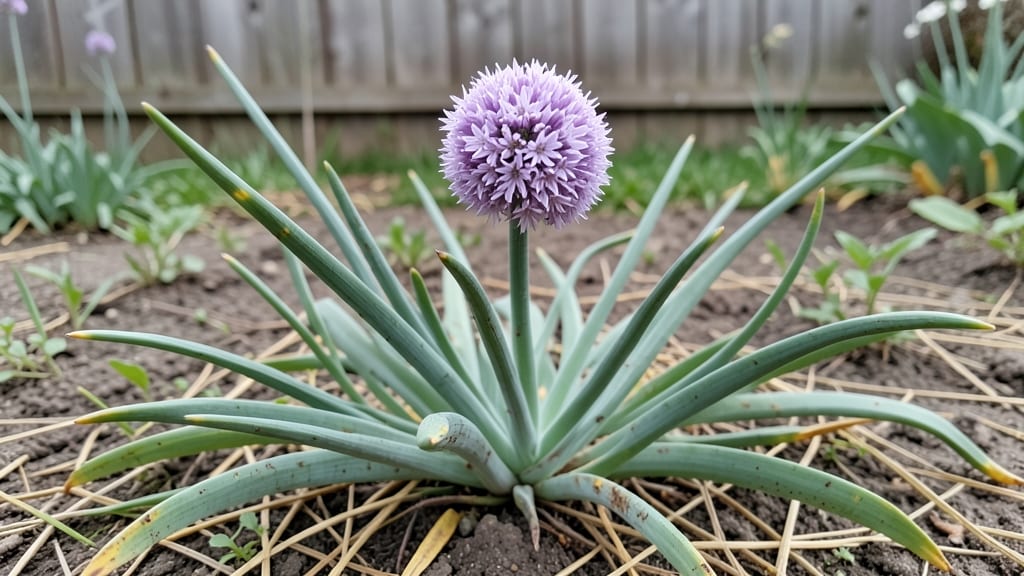
Summer blooming alliums bring those dramatic purple spikes you’ve been dreaming of, turning your garden into a pollinator hotspot with almost no effort.
Imagine a garden bursting with dramatic purple spikes that not only turn heads but also lure bees, butterflies, and hummingbirds—all while thriving in the summer heat. These hardy perennials are the secret weapon for gardeners in USDA Zone 6a, offering year-after-year beauty with minimal upkeep.
Planting your alliums in March or April sets them up for a June-to-August show, but getting the soil and sunlight right makes all the difference. Too much shade? Forget those towering blooms. Too much water? You’ll drown their delicate roots. Let’s fix that.
By the end of this guide, you’ll know exactly where to plant, how often to water, and which varieties will bring the most buzzing visitors to your yard—plus a few pro tips to keep them looking their best all season.
How to grow summer blooming alliums for maximum pollinator appeal
Summer blooming alliums like 'Globemaster' and 'Purple Sensation' are pollinator magnets that thrive with the right care. These dramatic purple spikes need specific conditions to reach their full potential, and I’ve grown them for years in my Zone 6a garden.
The key? Perfecting your soil, sunlight, and watering routine—all while keeping maintenance simple.
Alliums are low-maintenance perennials, but they demand well-draining soil and full sun exposure to produce those showstopping blooms. Skimp on either, and you’ll end up with weak stems or sparse flowers.
Let’s break down the exact steps to ensure your alliums become the star attraction in your garden—and a haven for bees and butterflies.
Step-by-Step Guide to Summer Allium Success
- 1 Choose the Right Location: Plant in full sun (6-8 hours daily). My 'Summer Beauty' alliums in a south-facing bed bloom for weeks longer than those in partial shade.
- 2 Prep the Soil: Mix in compost or aged manure to improve drainage. Alliums hate soggy roots—amend heavy clay soil with sand or perlite if needed.
- 3 Plant at the Right Depth: Bury bulbs 6-8 inches deep, spacing them 6-12 inches apart. Use a trowel for precision—deeper planting prevents toppling in wind.
- 4 Water Deeply After Planting: Give bulbs a deep soak (500-750ml) to encourage root growth. Once established, reduce watering to every 7-10 days—overwatering is their #1 enemy.
- 5 Fertilize Lightly in Spring: Apply a balanced 5-10-10 fertilizer (1 tbsp per plant) in March or April. Skip summer feeding—it promotes leafy growth over blooms.
- 6 Support Tall Varieties: Stake 'Globemaster' (up to 4 ft tall) with bamboo stakes or pebbles to prevent flopping. Mulch with gravel or straw to keep stems dry.
- 7 Deadhead Spent Blooms: Snip off faded flowers to redirect energy to next year’s blooms. Leave seed pods if you want self-seeding—just don’t let them take over!
- 8 Enhance Pollinator Appeal: Pair with lavender, coneflowers, or catmint to create a bee-friendly buffet. Alliums attract bumblebees and butterflies—perfect for a thriving ecosystem.
One of my favorite summer allium varieties, 'Purple Sensation', blooms in July and August and reaches 3-4 feet tall. Its globular purple blooms are irresistible to pollinators, but they need consistent sunlight to perform at their best.
If you notice buds failing to open, check for shade issues or overcrowding—both can stress the plant.
Alliums are drought-tolerant once established, but they still need regular watering during dry spells. I water mine in the early morning to prevent fungal diseases like botrytis, which thrives in damp conditions.
A drip irrigation system works best—it delivers water directly to the roots without wetting the foliage.
For maximum pollinator appeal, plant alliums in clusters of 3-5 bulbs. This creates a visual impact that attracts more bees and butterflies than solitary plants. I’ve seen
Top 5 summer allium varieties that attract the most pollinators
Not all alliums are created equal when it comes to attracting pollinators. Some varieties pack a pollinator punch with their vibrant blooms and extended bloom times, while others fade into the background.
The top 5 summer alliums I’ve tested in my garden—including 'Millenium' and 'Haaga'—are proven crowd-pleasers for bees, butterflies, and hummingbirds. Each brings something unique to your garden, whether it’s height, color intensity, or drought tolerance.
If you’re looking for maximum pollinator activity, prioritize these varieties. They thrive in full sun and well-draining soil—just like the care tips from Section 1—but their blooming seasons and heights set them apart.
For example, 'Globemaster' towers at 4 feet tall and blooms in July and August, while 'Purple Sensation' offers 3-foot spikes with a slightly earlier start in June. Let’s dive into the details so you can pick the perfect pollinator magnet for your garden.
| Variety | Bloom Time | Height | Pollinators Attracted | Care Tips |
|---|---|---|---|---|
| Millenium | July - August | 3-4 ft | Bumblebees, hummingbirds | Stake tall stems; deadhead for rebloom |
| Haaga | June - July | 2-3 ft | Bees, butterflies | Drought-tolerant; mulch to retain moisture |
| Christophii | June - July | 1-2 ft | Bees, hoverflies | Plant in clusters for visual impact |
| Globemaster | July - August | 4 ft | Hummingbirds, bees | Stake for wind resistance; full sun required |
| Purple Sensation | June - July | 3-4 ft | Butterflies, bees | Deadhead for extended bloom; well-draining soil |
'Millenium' is my go-to for hummingbird-friendly gardens. Its deep purple globes bloom in July and August and are a magnet for these nectar-loving birds. To keep them standing tall, I stake the 3-4 foot stems with bamboo stakes before the first heavy rain. Deadheading spent blooms encourages a second flush of flowers, extending the pollinator party well into September.
For a shorter but mighty option, 'Christophii' delivers 1-2 foot spikes with pink-tinged buds that bees adore. This variety is perfect for border gardens or container plantings where space is limited. Plant in clusters of 5-7 bulbs to create a dramatic display that pollinators can’t resist.
Its earlier bloom time (June-July) also makes it ideal for sequential blooming with later varieties like 'Globemaster'.
If you’re dealing with dry, hot summers, 'Haaga' is your best bet. This drought-tolerant allium thrives with minimal watering once established and still attracts bees and butterflies in June and July.
Its 2-3 foot height makes it versatile for mixed borders or cottage gardens. I’ve seen it rebloom lightly in fall if given enough sunlight, making it a low-maintenance workhorse for pollinators.
For maximum drama, nothing beats 'Globemaster'. This 4-foot giant produces football-sized purple blooms that hummingbirds can’t resist. Plant it in full sun and well-draining soil for the best results—skimp on either, and you’ll end up with weak stems.
I always stake mine in early June to prevent flopping, especially in windy zones. Pair it with lavender or coneflowers to create a pollinator superhighway.
Finally, 'Purple Sensation' is a pollinator powerhouse with 3-4 foot spikes that bloom in June and July. Its globular flowers are packed with nectar, making it a favorite for bumblebees and butterflies.
To keep it looking its best, deadhead spent blooms and mulch with gravel to prevent fungal issues. This variety also self-seeds readily, so be prepared for