
Blooming
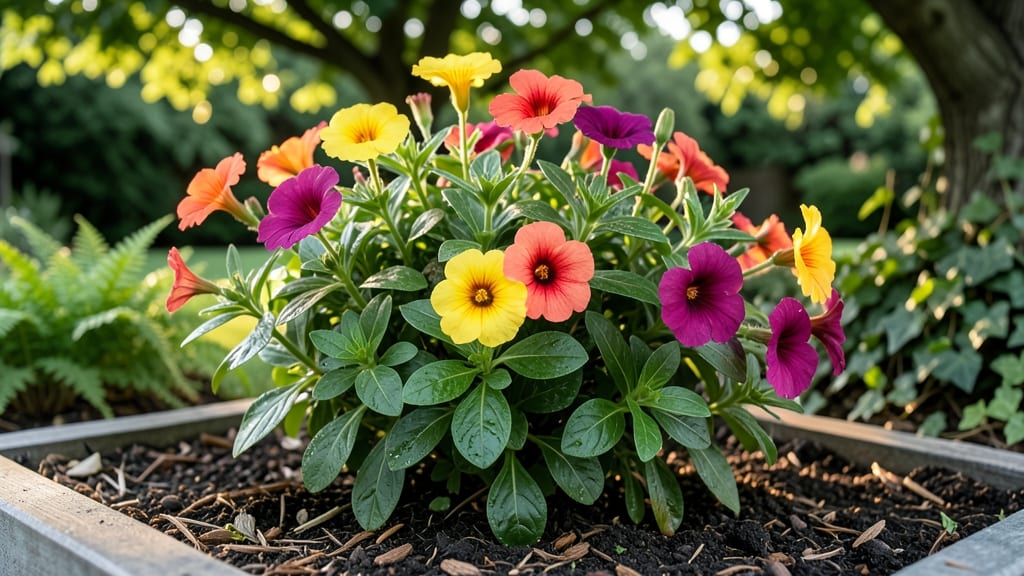
Sunpatiens transform your summer garden into a nonstop color party with their incredible bloom time—from early June through hard frost if you play their heat game right. 🌸 I’ve watched mine go from shy first flowers to overflowing baskets by mid-July, then bounce back after pruning like nothing happened.
The secret isn’t just sunlight—it’s knowing when to trim, how to water, and which varieties hold up best in your zone.
These heat-loving impatiens aren’t your grandma’s shade plants—they thrive in full sun where regular impatiens would melt. Start with varieties like ‘Superbells’ or ‘Sunpatiens Heatwave’, which rebound after pruning and keep flowering until frost.
They’re annuals in most climates but act like perennials in zones 10-11 if given winter protection. The key? Deadheading spent blooms and keeping soil consistently moist (but not soggy).
By mid-summer, you’ll have weeks of continuous blooms if you prune back leggy stems by a third—new flowers sprout within weeks. The trick is balancing water (daily in heatwaves) and shade (afternoon relief helps).
Even my first-year garden produced six weeks of nonstop color after I learned this simple routine. The payoff? Baskets that look like they cost $50 instead of $15.
Works in containers, garden beds, or even hanging pots—just adjust watering for your setup. Pro tip: Mulch with pebbles to retain moisture and deter pests. Now go make your patio the envy of the neighborhood!
📚 In This Guide
- What you need
- Instructions
- Tips and common mistakes
- Wrapping up and next steps
What you need
- ● Sunpatiens plants: Choose heat-tolerant varieties like ‘Superbells HeatWave’ or ‘Sunpatiens Vista Breeze’ (3–5 plants per container or garden bed for full coverage).
- ● Well-draining potting mix: 10–20 lbs (for containers) or amend garden soil with compost (1 part compost to 3 parts soil).
- ○ Containers (optional but recommended): 12–14" pots with drainage holes (1–2 per plant) or a raised garden bed (4' x 4' minimum for a cluster).
- ● Slow-release fertilizer: 10–10–10 or 14–14–14 (1 tbsp per plant at planting time).
- ● Pruning shears: Sharp, clean pair (sterilize with rubbing alcohol between cuts).
- ● Watering can or hose with a gentle spray nozzle: For consistent moisture (avoid soggy soil!).
- ○ Mulch (optional but helpful): 1–2 inches of shredded bark or straw to retain moisture and regulate temperature.
- ● Sunlight access: At least 6+ hours of direct sun daily (morning sun is ideal for heat-prone varieties).
- ○ pH test kit (optional): Aim for soil pH 5.8–6.2 (sunpatiens thrive in slightly acidic soil).
- ○ Gloves (optional): For handling prickly stems or soil amendments.
- ○ Stakes or plant supports (optional): For tall varieties like ‘Sunpatiens Vista Breeze’ in windy areas.
How to maximize sunpatiens bloom time through strategic pruning
Here’s how to coax continuous, heat-resistant blooms from sunpatiens by working with their natural growth rhythms.
🌱 Step 1: Identify Your Sunpatiens Variety and Planting Window
Sunpatiens thrive when planted after the last frost date in full sun to partial shade, but their bloom timing hinges on variety. Heat-responsive types like ‘Peach Parfait’ or ‘Lavender Lace’ rebound faster after pruning than standard impatiens. Start with plants purchased from a reputable nursery—seed-grown sunpatiens often take 4-6 weeks longer to establish and bloom.
Check the back of your plant tags for days to maturity (typically 60-90 days from transplant). Plant in well-draining soil—sunpatiens hate soggy roots—and water deeply immediately after transplanting. You’ll know they’re settled when new leaves appear within 7-10 days without wilting.
✂️ Step 2: First Pruning to Encourage Bushier Growth
Wait until your sunpatiens have 4-6 sets of true leaves (not the initial seed leaves) before pruning. Use clean, sharp pruners to snip just above a leaf node at a 45-degree angle—this prevents water from pooling on the cut. Remove the top 1/3 of the plant, focusing on leggy stems. You’ll see new side shoots emerge within 7-14 days as the plant redirects energy.
Real talk: If you prune too early, you’ll stunt growth. If you wait too long, the plant may become top-heavy and flop. Aim for mid-June in most climates—this gives sunpatiens enough time to recover before summer heat peaks. After pruning, apply a balanced 10-10-10 fertilizer (half-strength) to support regrowth.
☀️ Step 3: Heat Management for Continuous Blooms
Sunpatiens go dormant in 90°F+ temperatures, but heat-responsive varieties bounce back with proper care. When blooms slow, prune again—this time lightly—by trimming spent flowers and leggy stems to encourage new growth. Water at the base in the morning (never overhead) to avoid fungal issues, and mulch with 2-3 inches of shredded bark to retain moisture.
Here’s the thing—sunpatiens need 6+ hours of direct sun daily, but afternoon shade helps in extreme heat. If leaves yellow or wilt, move plants to partial shade temporarily. You’ll notice a rebound in blooms within 2-3 weeks as the plant adjusts. Deadhead faded flowers regularly to prevent seed formation and encourage more blooms.
⏰ Step 4: Late-Season Pruning for Extended Display
As temperatures dip below 70°F in fall, sunpatiens often produce a final flush of blooms. Give them a light trim in early September to remove any leggy or diseased stems. Focus on opening up the plant’s center for airflow—this prevents mildew and keeps blooms vibrant. You’ll see new flowers emerge within 10-14 days, extending your display until the first frost.
Don’t skip this step (I learned the hard way). Overgrown sunpatiens become unsightly and attract pests. After the first frost, cut back the entire plant to 4-6 inches tall and compost the debris. This keeps your garden tidy and gives you a head start next season by reducing the need for early pruning.
Tips & tricks for perfect sunpatiens bloom time
Here's what nobody tells you about getting sunpatiens to rebound beautifully after pruning—these tricks make all the difference.
Variety Matters: The heat-responsive varieties like 'Peach Parfait' and 'Lavender Lace' mentioned in Step 1 are your best bet for continuous blooms. These specific types handle pruning better than standard impatiens because their genetic makeup allows for faster recovery. If you're unsure about your variety, check the plant tag or ask your nursery—they'll help you identify heat-tolerant types that thrive with pruning.
Pruning Timing Secret: In Step 2, when you're removing the top third of the plant, focus on cutting just above a leaf node at a 45-degree angle. This isn't just about aesthetics—it's about how the plant heals. The angled cut increases surface area for faster callusing, and positioning it above a leaf node ensures new growth will sprout from there. I've seen plants that were pruned incorrectly take twice as long to recover, so this detail really matters.
Heat Management Strategy: The 90°F threshold in Step 3 is critical—this is when sunpatiens start to go dormant. If you're in a particularly hot climate, consider providing afternoon shade during peak heat (12-3 PM) to help your plants recover faster. You'll notice a significant rebound in blooms within those 2-3 weeks mentioned in the instructions, but only if you're managing the heat properly. A simple shade cloth can make all the difference during heatwaves.
Late-Season Revival: That final flush of blooms in Step 4 happens because sunpatiens sense the changing seasons. When temperatures drop below 70°F in fall, the plant gets a second wind. This is your chance to extend the blooming season—just give them that light trim in early September. I've had sunpatiens continue blooming until hard frost with this approach, which is especially rewarding for gardeners who love long-season color.
Pro Tips for Sunpatiens Bloom Time
- Here's what nobody tells you about getting sunpatiens to rebound beautifully after pruning—these tricks make all the difference.
- Variety Matters: The heat-responsive varieties like 'Peach Parfait' and 'Lavender Lace' mentioned in Step 1 are your best bet for continuous blooms.
- Pruning Timing Secret: In Step 2, when you're removing the top third of the plant, focus on cutting just above a leaf node at a 45-degree angle.
Frequently asked questions
Got questions about getting the most out of your sunpatiens' bloom time? Here are some of the most common ones—and their answers!
When do sunpatiens typically bloom, and how long does it last?
Sunpatiens usually start blooming 6-8 weeks after planting (or when transplanted into the garden). With proper care, they’ll keep flowering continuously from spring until the first hard frost (often September or October in most zones). Heat-tolerant varieties like ‘Wave’ or ‘Superbells’ may even rebound after pruning for a second flush!
Can I prune sunpatiens to extend their bloom time?
Pruning dead or leggy stems in early summer encourages bushier growth and prolongs blooming. For a dramatic rebound, cut back 1/3 of the plant after the first flush—new growth will sprout within weeks, often flowering again by late summer. Just avoid heavy pruning too late in the season.
Why aren’t my sunpatiens blooming as expected?
Common culprits include over-fertilizing with high nitrogen (which promotes foliage over flowers), underwatering, or shade stress. Ensure they get 6+ hours of sun and consistent moisture. Try a balanced, bloom-boosting fertilizer (like 10-10-10) every 4-6 weeks for better results.
Are there sunpatiens that bloom later in the season?
Yes! Varieties like ‘Sunpatiens ‘Tidal Wave’ (Deep Red) or ‘Sunpatiens ‘Champagne’ are known for prolonged blooming into fall. For a second flush, prune back in early summer—some varieties (like ‘Superbells’) will even bloom through light frosts if protected.
Do sunpatiens come back every year, or are they annuals?
Sunpatiens are tender perennials, meaning they die back in frost but can return if grown in USDA Zones 10-11. In colder climates, treat them as annuals—though you can save cuttings indoors over winter to propagate new plants next year!
Wrapping up and next steps
Sunpatiens are the superstars of heat-loving gardens, offering vibrant blooms that rebound beautifully after pruning—especially when you choose the right varieties! Whether you’re dealing with summer heat or late-season pruning, these plants prove that resilience and beauty go hand in hand. 🌸
Ready to transform your garden? Start by selecting heat-tolerant varieties like ‘Sunpatiens Vista Bubblegum’ or ‘Sunpatiens Vista Lemonade’—then give them the care they deserve. Prune with confidence, and watch your sunpatiens reward you with nonstop color all season long!