
Blooming
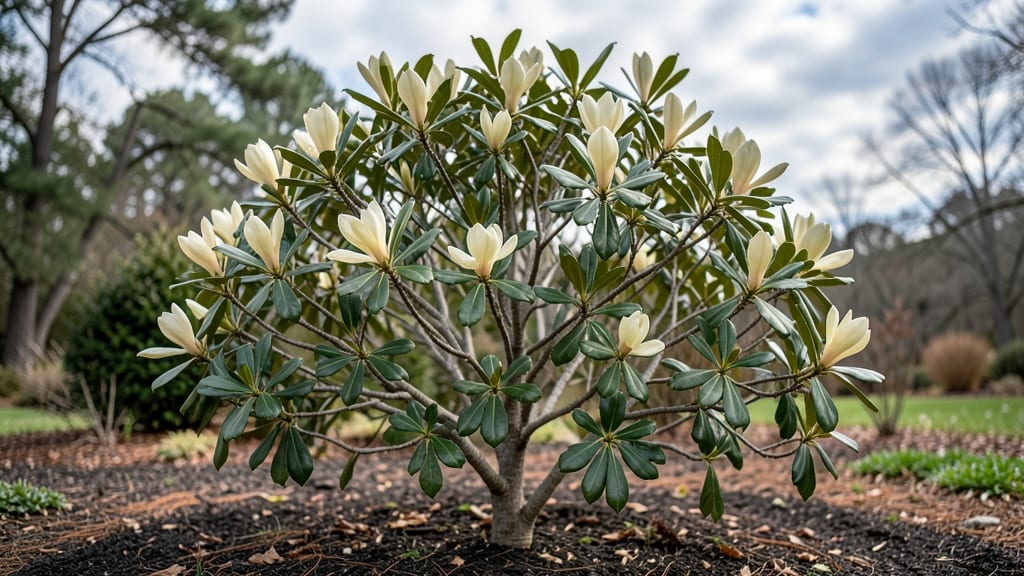
The sweetbay magnolia blooms in late spring to early summer 🌸, filling your garden with fragrant white flowers that hummingbirds adore—but if you’ve ever missed its fleeting season, you know timing is everything.
Picture this: your yard transformed by delicate, creamy blossoms that release a sweet, citrusy scent on warm afternoons. Unfortunately, these stunning displays last only 2-3 weeks, so knowing the exact months for your zone means you’ll never miss the show.
Whether you’re in Zone 6a or further south, climate plays a huge role in when your sweetbay magnolia puts on its best display. Too much heat or cold can push blooms earlier or later, and young trees may take years to flower at all.
Below, I’ll break down the month-by-month bloom windows by region, plus simple care tricks to encourage longer, more abundant flowers—so you can enjoy this fragrant beauty for weeks, not just days.
Sweetbay magnolia bloom time by USDA hardiness zones: month-by-month guide
The sweetbay magnolia (Magnolia virginiana) is a garden star with its fragrant white blooms and glossy evergreen foliage. But when exactly will your tree burst into flower? The answer depends on your USDA hardiness zone, with northern zones seeing blooms later than southern regions.
Understanding these month-by-month variations helps you plan for peak fragrance and pollinator visits.
In warmer zones (8-10), sweetbay magnolias often bloom as early as late February, while cooler zones (5-7) may not see flowers until May or June. These timing differences create a stunning progression across the country, from Georgia's early blooms to New York's delayed displays.
Let's break down what to expect in your specific zone.
| Zone | Early Bloom | Peak Bloom | Late Bloom | Notes |
|---|---|---|---|---|
| 5-6 | Mid-May | Late May - Early June | Mid-June | Cold-sensitive; blooms delayed until after last frost |
| 7 | Early May | Mid-May - Early June | Late June | Moderate climate; reliable blooms if established |
| 8 | Late April | Early May - Late May | Early June | Warmer winters; earlier blooming than northern zones |
| 9 | Mid-April | Late April - Early May | Mid-May | Mild winters; may have second bloom in fall |
| 10 | Late February | March - Early April | Mid-April | Tropical climate; earliest blooms in US |
Notice how Zone 10 gardens in Florida and southern California enjoy February blooms, while Zone 5 gardeners in the Midwest won't see flowers until May or June. This three-month difference creates a stunning national progression of sweetbay magnolia blooms.
In transition zones (7-8), you might even catch late-season blooms in fall, especially if your tree is well-established.
The sweetbay magnolia's bloom timing also depends on plant maturity. Younger trees (under 5 years) may bloom later or produce fewer flowers. Mature specimens, especially those planted in well-draining, slightly acidic soil, typically bloom more reliably.
If your tree isn't flowering when expected, check for adequate sunlight—these beauties need 3-6 hours of morning sun to trigger blooming.
Climate variations within zones can also shift bloom times. For example, coastal Zone 8 areas like Charleston may bloom 2-3 weeks earlier than inland Tennessee Zone 8 gardens. The Gulf Coast often sees the earliest blooms, while Appalachian regions in Zone 7 might delay until late May.
Pay attention to your local microclimate—valleys stay cooler longer than hilltops, which can affect bloom timing.
Pro tip: Mark your calendar for peak bloom in your zone, then plan your garden visits around late morning when the fragrance is strongest. This is also when hummingbirds and butterflies will be most active around your tree.
For Zone 5-6 gardeners, consider planting near a south-facing window to enjoy the scent indoors during blooming season.
If you're in Zone 9 or 10, you might experience a second bloom in fall, typically around September or October. This occurs when the tree receives consistent moisture and isn't stressed by summer heat.
To encourage this fall reblooming, maintain even watering throughout summer and avoid heavy pruning that removes potential bloom buds.
For gardeners in northern zones (5-6), the late spring blooms coincide perfectly with wildflower season. Plant sweetbay magnolia near native perennials like black-eyed Susans or bee balm to create a pollinator paradise that extends the blooming spectacle. The white flowers contrast beautifully
How to extend sweetbay magnolia bloom season: pruning and care tips
Want your sweetbay magnolia to burst into bloom earlier and stay in flower longer? The secret lies in strategic pruning and consistent seasonal care.
Unlike its southern cousin, this magnolia thrives with the right balance of sunlight, soil, and timing—small adjustments can transform a single burst of blooms into a prolonged floral display that hummingbirds will adore.
First, understand that sweetbay magnolias naturally bloom in late spring to early summer, but with proper care, you can coax them into a second, lighter flush in fall.
The key is working with—not against—their natural growth patterns while avoiding over-pruning, which can stress the plant and reduce flowering.
🌸 5 Proven Tips to Extend Bloom Time
- 1. Prune After Blooming – Trim dead or crossing branches in late summer (August-September) to avoid cutting off next year’s flower buds.
- 2. Feed in Early Spring – Apply balanced 10-10-10 fertilizer after last frost to fuel new growth and blooms.
- 3. Mulch for Moisture – Use 3-4 inches of organic mulch to retain soil moisture and regulate root temperature.
- 4. Provide Partial Shade – Protect from hot afternoon sun (6+ hours of morning light is ideal) to prevent leaf scorch.
- 5. Water Deeply Weekly – Deep soak the root zone (1500-2000ml) to encourage strong root development.
Let’s dive deeper into pruning techniques. Most gardeners mistakenly prune in early spring, but this removes flower buds that formed the previous year. Instead, wait until after blooming (June-July) to remove dead wood and shape the plant.
Use clean, sharp pruners to make cuts just above outward-facing buds to encourage airflow and new growth.
Soil health is another game-changer. Sweetbay magnolias prefer acidic, well-draining soil (pH 5.0-6.0). If your soil is alkaline or compacted, amend with peat moss or sulfur in early spring. A thick layer of compost around the base also improves nutrient uptake, leading to healthier foliage and more blooms.
Don’t overlook seasonal maintenance. In fall, remove any damaged leaves to prevent fungal diseases like powdery mildew. Water less frequently (bi-weekly) as temperatures drop, and avoid fertilizing—this helps the plant harden off for winter. With these adjustments, you’ll enjoy longer bloom seasons and a fragrant garden that lasts.
For maximum impact, combine these tips with regular monitoring. Watch for yellowing leaves (a sign of overwatering or nutrient deficiency) and adjust care accordingly. With patience and precision, your sweetbay magnolia will reward you with prolonged, show-stopping blooms year after year. 🌿