
Blooming
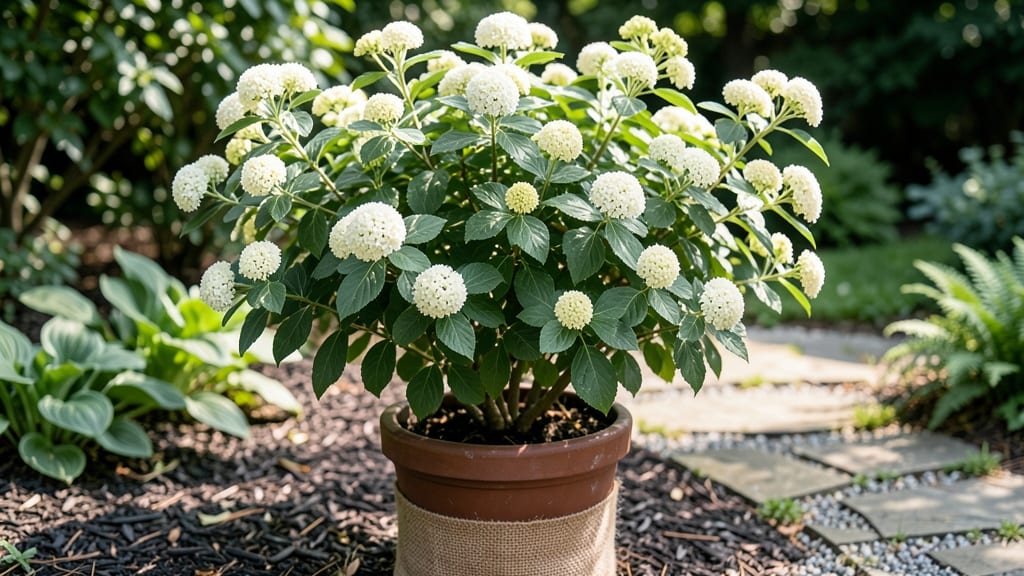
Viburnum blooms in late spring for most varieties, but timing can shift dramatically depending on your zone and the specific shrub 🌸—some burst into color as early as March, while others wait until June.
Picture this: you’ve been waiting months for those fragrant clusters to appear, only to realize your Viburnum plicatum blooms a full month earlier than your neighbor’s Viburnum opulus. That’s because bloom time isn’t just about the calendar—it’s about sunlight, soil, and even last winter’s chill hours.
In this guide, I’ll break down the exact months to expect blooms for 10+ popular viburnum varieties, how your hardiness zone (like Zone 6a) can push blooms earlier or later, and the simple pruning tricks to coax extra weeks of flowers.
Whether you’re planning a spring garden display or just want to avoid missing the show, you’ll leave here knowing exactly when your viburnum’s show-stopping blooms will arrive—and how to make them last.
Viburnum bloom time by popular varieties: exact months to expect
If you’ve ever wondered why your viburnum bushes bloom at different times each year, the answer lies in their variety-specific bloom windows. Some varieties burst into color in late winter, while others wait until summer.
Understanding these timing differences helps you plan pruning, fertilizing, and even landscape design around their natural cycles.
Viburnums are prized for their showy flowers, fragrant blooms, and seasonal interest. Whether you’re growing winter viburnums for early color or summer varieties for late-season flair, knowing the exact bloom months ensures you won’t miss a single spectacular display.
Let’s break down the top 10 varieties and their precise bloom times.
| Variety | Bloom Time | Flower Color | Fragrance | Notes |
|---|---|---|---|---|
| Viburnum bodnantense (Winter Beauty) | January–March | Pink | Strong | Early winter bloomer; thrives in cold climates |
| Viburnum plicatum (Japanese Snowball) | May–June | White | Mild | Layered branches; dramatic late spring display |
| Viburnum opulus (Guelder Rose) | May–June | White to pink | Faint | Bright red berries follow blooms; great for wildlife |
| Viburnum dentatum (Arrowwood) | June–July | White | Moderate | Native to North America; drought-tolerant |
| Viburnum carlesii (Korean Spice) | March–April | Pink | Intense spice | Fragrant early blooms; great for hedges |
| Viburnum trilobum (American Cranberrybush) | June–July | White | Sweet | Bright red berries; attracts birds |
| Viburnum rhytidophyllum (Leatherleaf) | May–June | White | Mild | Glossy leaves; shade-tolerant |
| Viburnum suspensum (Witch Hazel Viburnum) | March–April | White | Faint | Early bloomer; great for containers |
| Viburnum burkwoodii (Burkwood) | April–May | Pink | Strong | Compact size; fragrant blooms |
| Viburnum farreri (Farreri) | February–March | Pink | Intense | Winter bloomer; cold-hardy |
One of my favorite winter bloomers is Viburnum bodnantense, which bursts into pink flowers as early as January. This makes it perfect for adding color to dreary winter gardens. The intense fragrance is a bonus that fills the air with a sweet, spicy scent.
For those who love late spring drama, Viburnum plicatum (Japanese Snowball) is unmatched. Its layered branches create a snowball-like effect in May and June, making it a standout in any landscape.
If you’re planning a wedding or garden party, time your event around its peak bloom for stunning photos.
If you’re growing viburnums for wildlife support, <
How hardiness zones affect Viburnum bloom timing: what to plant where
Your viburnum bloom time depends heavily on your USDA hardiness zone. Plants in Zone 3 often bloom weeks earlier than those in Zone 9 due to temperature differences. Understanding these shifts helps you choose the right varieties for your region and anticipate their stunning displays.
For example, Viburnum bodnantense thrives in cooler zones, while Viburnum plicatum prefers milder climates. Let’s break down how zones influence bloom timing so you can plan accordingly.
In northern zones (3-5), viburnums like Viburnum opulus often bloom in late April to early May, while southern zones (8-10) may see blooms as late as June or July. Early springs can also shift bloom windows unpredictably.
For instance, a Zone 6 garden might experience blooms in March during warm winters, while a Zone 8 garden could delay until May in cooler years. These variations make zone-specific planning essential for maximizing your viburnum’s potential.
| USDA Zone | Best Varieties | Typical Bloom Time | Climate Notes |
|---|---|---|---|
| Zone 3-5 | Viburnum bodnantense, Viburnum lantana | Late April - Early May | Cold-hardy; blooms early to avoid late frosts |
| Zone 6-7 | Viburnum plicatum, Viburnum dentatum | Mid-May - Early June | Moderate climate; reliable blooms with proper care |
| Zone 8-9 | Viburnum tinus, Viburnum suspensum | June - July | Warmer zones; blooms later in summer |
| Zone 10 | Viburnum odoratissimum, Viburnum rhytidophyllum | July - August | Tropical viburnums; thrive in heat |
If you live in Zone 3 or 4, prioritize early bloomers like Viburnum bodnantense, which bursts into winter or early spring color. These varieties are bred to withstand freezing temperatures and bloom before late frosts arrive.
In contrast, Zone 9 and 10 gardeners should opt for late-season bloomers like Viburnum suspensum, which thrives in heat and blooms when cooler zones are already past their peak. Always check your local last frost date to align bloom timing with your region’s climate patterns.
Climate shifts, like early springs or unpredictable frosts, can also disrupt bloom schedules. For example, a Zone 7 garden might see Viburnum plicatum bloom in March during a warm winter, while a Zone 6 garden could delay until May if temperatures drop unexpectedly.
To mitigate risks, monitor weather forecasts and consider microclimates in your garden—like sunny spots near walls—that can provide extra warmth for sensitive varieties.
For optimal bloom timing, pair your viburnum with complementary plants. In cooler zones (3-5), plant early bulbs like daffodils alongside Viburnum bodnantense to extend your spring color show. In warmer zones (8-10), combine Viburnum tinus with late-blooming roses or salvias for a continuous display.
This layering ensures your garden stays vibrant from spring to summer, regardless of your zone.
Finally, remember that soil quality and sunlight also influence bloom timing. Viburnums need well-draining soil and partial shade to thrive, but their exact needs vary by variety. For instance, Viburnum plicatum prefers morning sun, while Viburnum dentatum tolerates full shade.
Adjust your planting spot based on your zone and the specific needs of your viburnum to ensure healthy growth and timely blooms every year. 🌸🌿