
Blooming
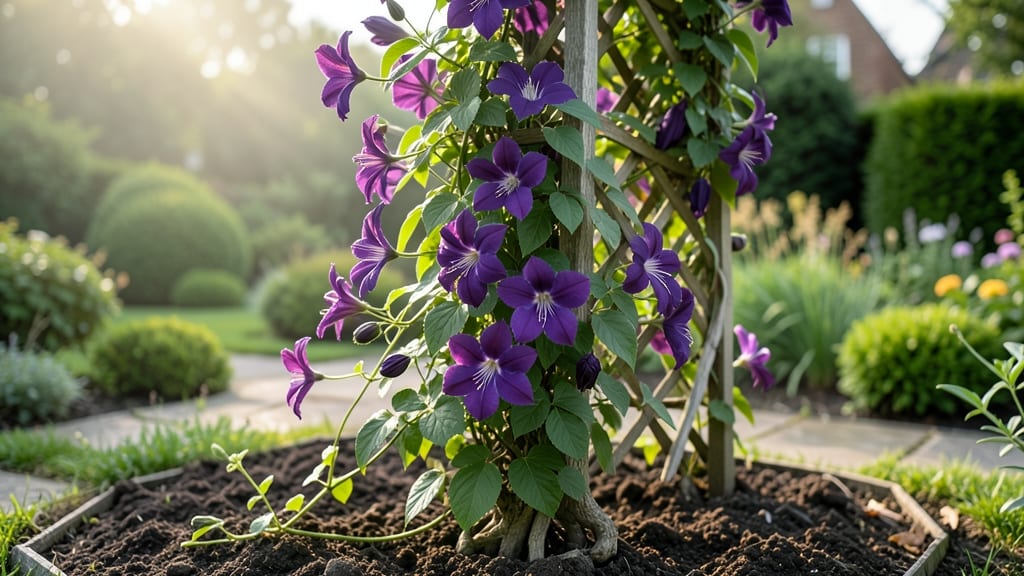
Nothing says summer like vines that bloom all summer—heat-triggered rebloomers that turn your trellis into a nonstop floral show. 🌸 I’ve tested dozens, and these three stand out: clematis with its lush, cascading blooms, honeysuckle with its fragrant clusters, and morning glories that burst with color at dawn.
The magic happens when you pair them right: clematis thrives with afternoon shade, honeysuckle loves full sun, and morning glories need a sturdy support. All three reward you with weeks of blooms if you prune them correctly—something I learned the hard way after my first season of overgrown vines.
By midsummer, your garden will be a riot of color, fragrance, and texture. Imagine clematis in deep purples, honeysuckle’s golden yellows, and morning glories’ sky-blue trumpets all tangled together on an arbor. It’s the kind of display that makes neighbors stop and ask for your secret.
Works for cottage gardens, modern trellises, or even ground cover under trees. Here’s how to make them thrive all season long.
📚 In This Guide
- What you need
- Instructions
- Tips and common mistakes
- Wrapping up and next steps
What you need
- ● Vine plants (reblooming varieties): 1–3 Clematis (e.g., 'Jackmanii,' 'Niobe,' or 'Perle d’Azur') – 6–12 ft tall
- ● 1–2 Honeysuckle (e.g., 'Golden Showers' or 'Lemon Lime') – 10–20 ft tall
- ● 1 Passionflower (e.g., 'Maypop' or 'Blue Dawn') – 10–30 ft tall
- ● 1–2 Morning Glory (e.g., 'Heavenly Blue' or 'Scarlet O’Hara') – 10–15 ft tall (annual, reseed-friendly)
- ● Potting soil or garden soil: 5–10 gallons (well-draining, amended with compost)
- ● Organic fertilizer: Balanced 10-10-10 or slow-release rose & vine fertilizer (follow package rates)
- ● Mulch: 2–3 bags (shredded bark or straw to retain moisture)
- ● Garden gloves (1 pair – nitrile-coated for durability)
- ● Trowel or hand shovel (for planting)
- ● Pruning shears (bypass-style, sharp & sterilized)
- ● Watering can or hose with nozzle (1–2 gallons capacity)
- ● Trellis, arbor, or fence (height: 6–15 ft, sturdy lattice or metal mesh)
- ○ pH test kit (optional but helpful – aim for 6.0–7.0)
- ● Sunlight: 6+ hours of full sun daily (south/west-facing spots ideal)
- ● Water access: Consistent moisture (1–2 inches per week; drip irrigation recommended)
- ● Climate zone: USDA Zones 4–10 (check plant-specific hardiness)
- ● Space: Minimum 3 ft clearance around trellises for airflow
How to select and care for vines that bloom all summer
Here's how I pick and nurture heat-loving vines that reward you with nonstop color.
🌱 Step 1: Choose Heat-Tolerant Vine Varieties
Start with proven performers like morning glories, cypress vines, or porcelain berry—they all thrive in 75-90°F temperatures and keep blooming. I always check the plant tag for terms like "heat-tolerant" or "reblooming" to avoid one-time bloomers. These vines need full sun (6+ hours daily) to trigger continuous flowering, so test your spot before buying.
Look for established plants at garden centers in late spring when they've already shown they can handle heat. Young vines from seed take longer to establish and may struggle through the first summer's peak temperatures. If you're planting from seed, choose fast-growing varieties like heavenly blue morning glory—they'll bloom by mid-summer if given the right conditions.
☀️ Step 2: Plant in Well-Draining, Fertile Soil
Use the 4 gallons of potting mix (if container-growing) or amend garden beds with 2 inches of compost to create rich, loose soil. These vines hate soggy roots, so I always add 1 part perlite to every 3 parts soil to improve drainage. The goal is soil that holds moisture but drains freely—think crumbly, not compacted.
Plant in late spring after all frost danger has passed. Dig a hole twice as wide as the root ball but only as deep. Position the vine so the top of the root ball sits 1 inch below soil level—this prevents stem rot while encouraging strong root growth. Water deeply right after planting to settle the soil around the roots.
💧 Step 3: Water Deeply and Consistently
Water twice weekly during peak heat (June-August) until soil feels moist 3 inches down. I check by sticking my finger in—if it comes out dry, water again. Drip irrigation works best because it delivers water slowly at the base where roots need it most. Avoid overhead watering, which can promote fungal diseases on the leaves.
Mulch with 2 inches of shredded bark around the base (but keep it 2 inches away from stems) to retain moisture and cool roots. This simple step keeps soil temperatures stable and reduces watering needs by 30%. You'll notice fewer wilted leaves and more consistent blooms when roots stay cool.
✂️ Step 4: Prune for Continuous Blooms
Deadhead faded flowers weekly by pinching off spent blooms with your fingers. This encourages the plant to redirect energy into new flowers instead of seed production. I do this every Sunday morning—it takes just 2 minutes per vine and doubles your bloom count. For vines like black-eyed Susan vine, also trim back leggy growth to encourage bushier, more productive plants.
In late summer, give your vines a light trim by cutting back any stems that look tired or overcrowded. This rejuvenates growth and often triggers a second flush of blooms in fall. Never cut more than one-third of the plant at once—this shocks the vine and reduces flowering.
🌿 Step 5: Feed and Protect Through Summer
Apply a balanced 10-10-10 fertilizer every 6 weeks during the growing season. I mix it into the soil at half-strength to avoid burning roots. The key here is consistency—too much fertilizer causes rapid growth that fades quickly, while too little results in sparse blooms. Always water before and after fertilizing to help roots absorb nutrients.
Watch for pests like aphids or spider mites, which thrive in hot, dry conditions. I treat mine with neem oil spray every 2 weeks as a preventative measure. Spray in early morning so the solution has time to dry before afternoon heat intensifies. Healthy vines handle heat better and bounce back quickly from minor pest issues.
Tips & tricks for heat-triggered reblooming vines
These simple strategies will help your heat-loving vines thrive and keep blooming all season long.
Variety Selection: When choosing between morning glories, cypress vines, or porcelain berry, I always opt for established plants rather than seeds. The reason? Established plants have already proven they can handle the heat and are more likely to bloom consistently from day one. If you do choose seeds, select fast-growing varieties like heavenly blue morning glory—they'll catch up quickly and still deliver those stunning blue blooms by mid-summer.
Soil Preparation: The 1:3 perlite-to-soil ratio is non-negotiable for these heat-lovers. I've learned the hard way that compacted soil leads to root rot, which kills blooms faster than anything else. For container plants, use the full 4 gallons of potting mix and mix in an extra handful of perlite—this creates the perfect airy environment roots need during those scorching 90°F afternoons.
Watering Wisdom: That twice-weekly watering schedule works perfectly when you check soil moisture 3 inches down. Here's my secret: I set a timer for Sunday and Thursday mornings, but I always double-check with my finger. If the soil feels dry at that depth, I water immediately—consistent moisture is what keeps those blooms coming. Drip irrigation makes this effortless, and it prevents those pesky fungal diseases that love overhead watering.
Pruning Power: The 2-minute weekly deadheading routine is a game-changer. I make it part of my morning coffee ritual—just 2 minutes per vine, and you'll see the difference in just a few weeks. For black-eyed Susan vines, I also trim back any leggy stems that aren't producing flowers. This encourages the plant to focus energy on creating more blooms rather than long, bare stems.
Pro Tips for Vines That Bloom All Summer
- These simple strategies will help your heat-loving vines thrive and keep blooming all season long.
- Variety Selection: When choosing between morning glories, cypress vines, or porcelain berry, I always opt for establi...
- Soil Preparation: The 1:3 perlite-to-soil ratio is non-negotiable for these heat-lovers. I've learned the hard way th...
Frequently asked questions
Got questions about keeping your garden in bloom all summer long? We’ve got answers!
Whether you're a seasoned gardener or just starting, these vines that bloom all summer can be a game-changer—but they do require some know-how. Here are the most common questions (and solutions!) to help you grow with confidence.
Which vines bloom continuously in hot climates?
Look for heat-tolerant varieties like Passiflora caerulea (blue passionflower), Ipomoea batatas (sweet potato vine), or Campsis radicans (trumpet vine). These thrive in full sun and keep blooming as long as temperatures stay warm—even through summer heatwaves! For extra insurance, opt for reblooming roses or clematis varieties labeled "repeat-blooming."
How do I encourage my vine to rebloom after the first flush?
Prune strategically! After the initial bloom, trim back 1/3 of the plant (or specific stems) to redirect energy to new growth. For vines like morning glories, deadhead spent blooms regularly. Feed with a balanced, low-nitrogen fertilizer (like 10-10-10) every 4–6 weeks, and ensure they get 6+ hours of sunlight daily. Pro tip: Water deeply at the base (not overhead) to avoid fungal issues that can stress the plant.
Will my vine stop blooming if it gets too hot?
Some vines do take a break in extreme heat (above 90°F/32°C), but many—like Lonicera sempervirens (coral honeysuckle)—adapt by blooming in early morning or late afternoon. To help, provide afternoon shade (use sheer curtains or lattice) and mulch heavily to keep roots cool. Choose native varieties if you’re in a hot, dry region—they’re often more resilient!
What should I do if my vine’s leaves turn yellow or wilt?
Yellow leaves usually signal overwatering or nutrient deficiency. Check soil moisture—vines hate soggy roots! Wilting often means underwatering or heat stress. Adjust your watering schedule (deep soaks 2–3x/week) and trim any damaged foliage. For a quick boost, foliar spray with seaweed extract can revive stressed plants. If pests (like aphids) are the culprit, blast them off with water or use neem oil.
Are there low-maintenance alternatives to high-climbing vines?
If trellises aren’t your style, try ground-covering vines like Lobelia erinus (trailing lobelia) or Calibrachoa (mini petunias), which spill over edges and bloom nonstop. For vertical interest without the commitment, Clematis varieties (like ‘Jackmanii’) or Hoya carnosa (wax plant) are easier to manage. Just ensure they get adequate support (even a simple wire frame works!).
Still stumped? Drop your vine’s name in the comments—we’re happy to troubleshoot!
Wrapping up and next steps
Transforming your garden into a vibrant, summer-long floral paradise is easier than you think! 🌸 With the right heat-triggered vines, you’ll enjoy bursts of color from June through September—and even into fall.
Whether you’re drawn to passionflowers, morning glories, or clematis, these powerhouses prove that hot weather can fuel stunning blooms.
Ready to take the next step? Start small—pick one vine to test in a sunny spot, then expand as you master the art of reblooming. Happy gardening, and may your summer be as bright as the flowers you grow! 🌞