
Flowers
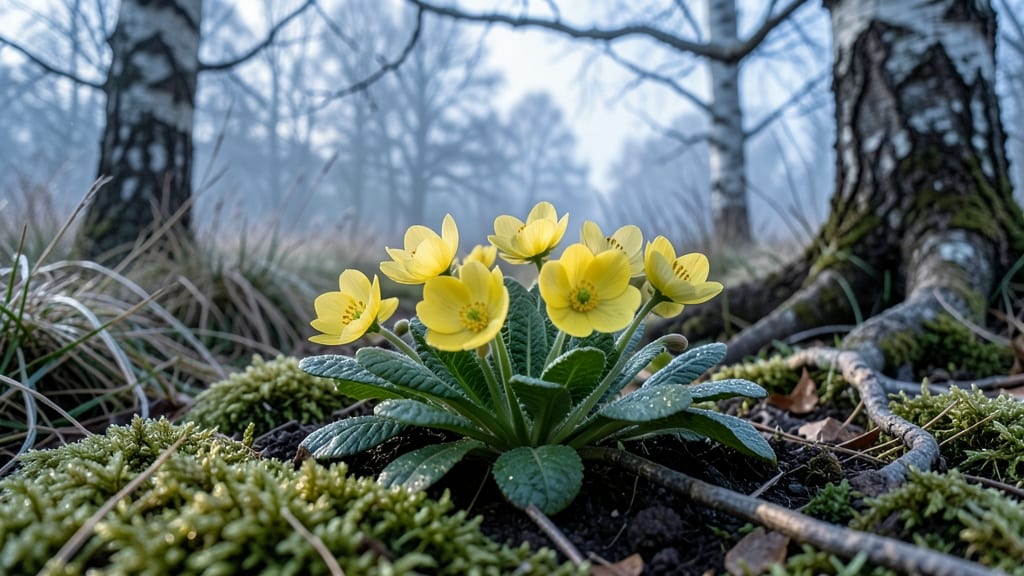
Late winter gardens can feel dormant, but these hardy bloomers prove beauty thrives even in frost. Discover 10 resilient flowers that push through cold soil to deliver vibrant color and early pollinator support when most plants remain dormant.
Snowdrops Galanthus Nivalis
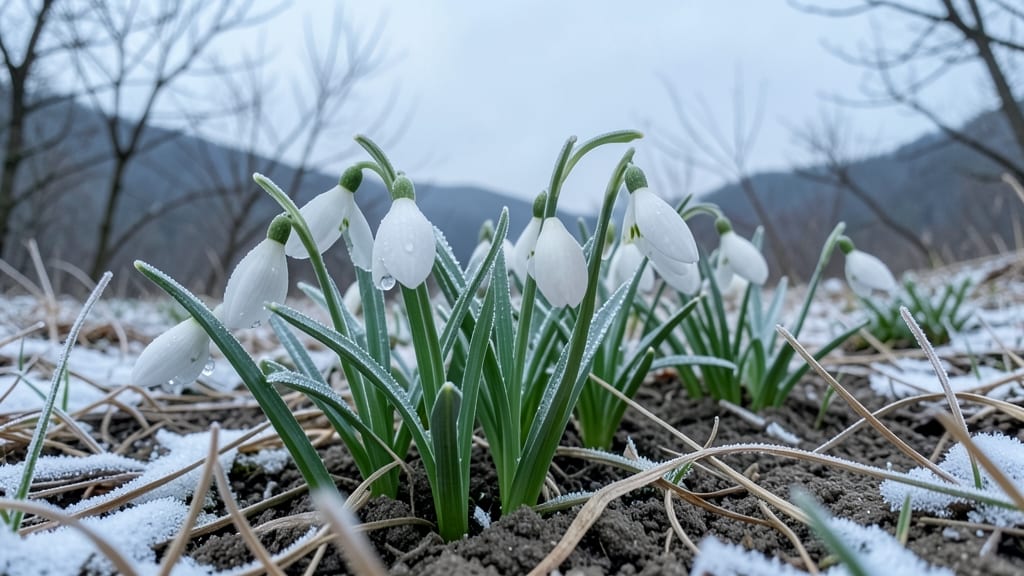
Imagine stepping into your garden in late January and finding delicate white bells already pushing through the snow—snowdrops (Galanthus nivalis) are the magical first sign that spring is on its way. These hardy perennials thrive in USDA zones 3-9, making them one of the most reliable late-winter bloomers for nearly any climate.
Plant them in shady woodland gardens where they’ll naturalize effortlessly, multiplying each year to create lush drifts of flowers. Snowdrops prefer moist, well-drained soil and tolerate both sun and shade, though they truly shine in dappled light. Their early blooms provide nectar for bees and other pollinators when little else is available, making them a gardener’s secret weapon for extending the season.
Perfect for beginners or experienced gardeners looking to add winter interest, snowdrops require almost no maintenance once established. Just leave the foliage until it yellows in late spring to ensure robust blooms next year. 🌱
Winter Aconite Eranthis Hyemalis
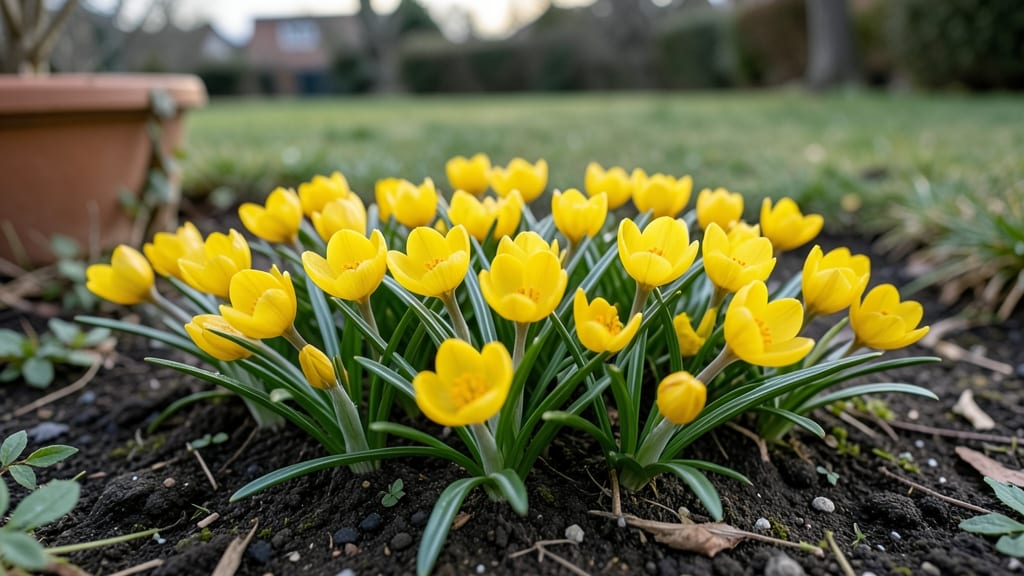
If you crave a burst of sunshine when winter feels endless, winter aconite (Eranthis hyemalis) delivers a cheerful surprise. This early bloomer thrives in full sun to partial shade, producing bright yellow flowers that carpet lawns or spill over container edges as early as February—often before grass even greens up.
What makes this plant stand out is its aggressive yet pest-free spreading habit. Once established, it forms dense mats of foliage that suppress weeds naturally, while the cheerful blooms attract early pollinators like bees. Plant bulbs 3-4 inches deep in well-draining soil, and watch them multiply each year with minimal care—just avoid overwatering once established.
Perfect for urban gardeners with sunny patios or containers, winter aconite transforms dull winter corners into vibrant focal points. Its low-maintenance nature makes it ideal for gardeners who want color without the fuss. 🌻
Crocus Vernus Dutch Master
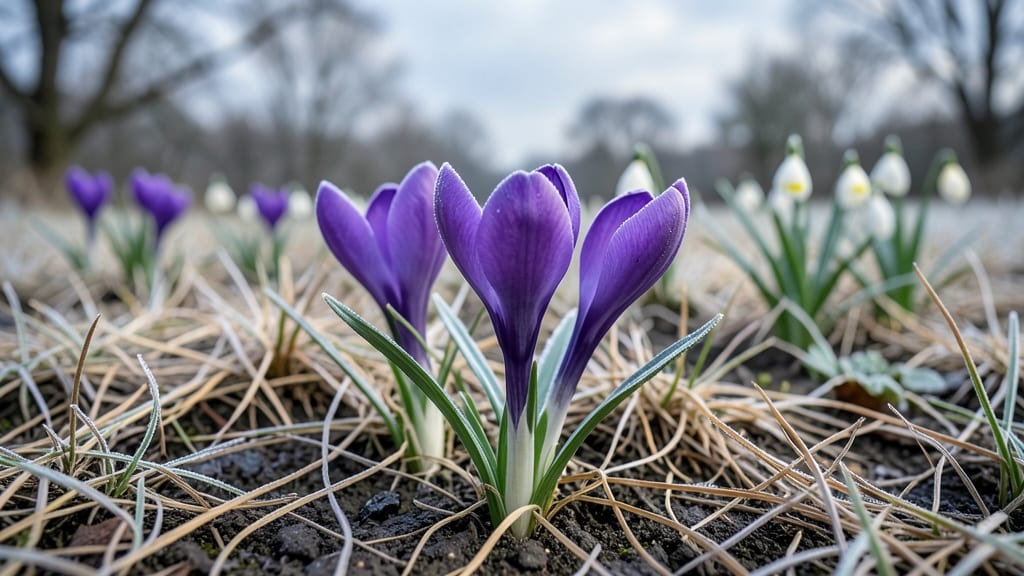
While snowdrops and winter aconite steal the show in early winter, the Crocus Vernus Dutch Master arrives in February with its bold purple blooms that seem to defy the cold. These cheerful flowers push through lawns and garden beds, offering a splash of color when most gardens are still brown and dormant.
This variety thrives in full sun to partial shade and naturalizes beautifully, spreading over time to create stunning patches of color. The purple blooms provide essential early nectar for bees, giving pollinators their first food source of the season. Plant bulbs in fall for a reliable February show that requires minimal care.
Perfect for gardeners who want low-maintenance beauty and early pollinator support, these crocuses are ideal for lawns, borders, or containers. Their cheerful blooms signal spring's arrival while requiring almost no upkeep. 💚
Hellebore Lenten Rose
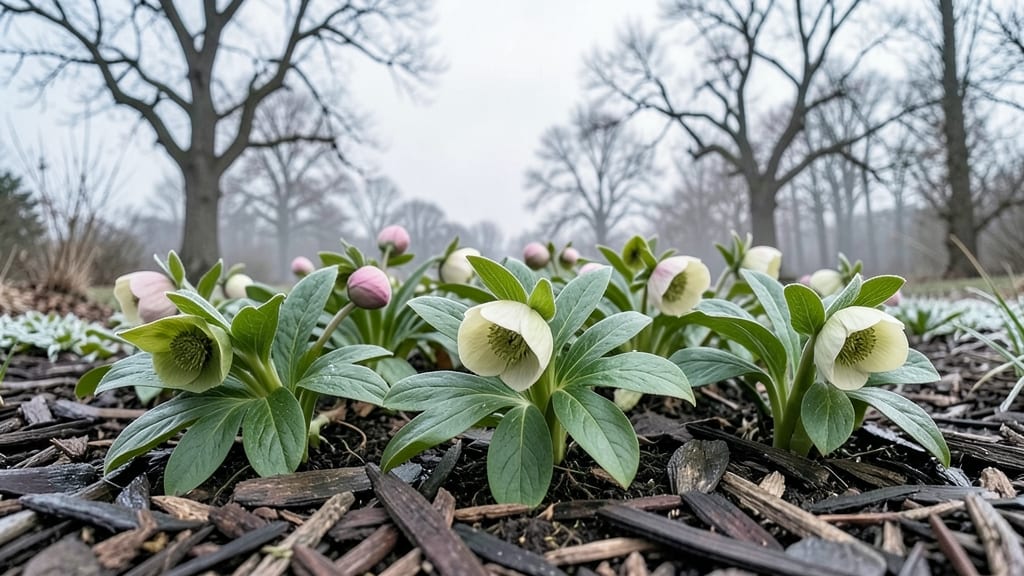
When your garden feels like a winter wasteland under bare trees, hellebores (or "Lenten roses") prove that shade doesn't mean sacrifice. These evergreen perennials defy the rules by blooming from late winter through early spring, offering 6-8 weeks of color when most plants are still dormant.
Plant them where nothing else survives—deep shade under trees or along north-facing walls—where they'll thrive with minimal care. Their nodding, cup-shaped blooms come in shades of white, pink, purple, and green, often with striking centers. Mulch well in fall to protect roots from freeze-thaw cycles, and avoid overwatering—consistent moisture is key, but they hate soggy soil.
Perfect for woodland gardeners, shade lovers, and anyone tired of barren corners, hellebores reward patience with year-round foliage and early pollinator support. 🌱
Puschkinia Scilloides Tenuior
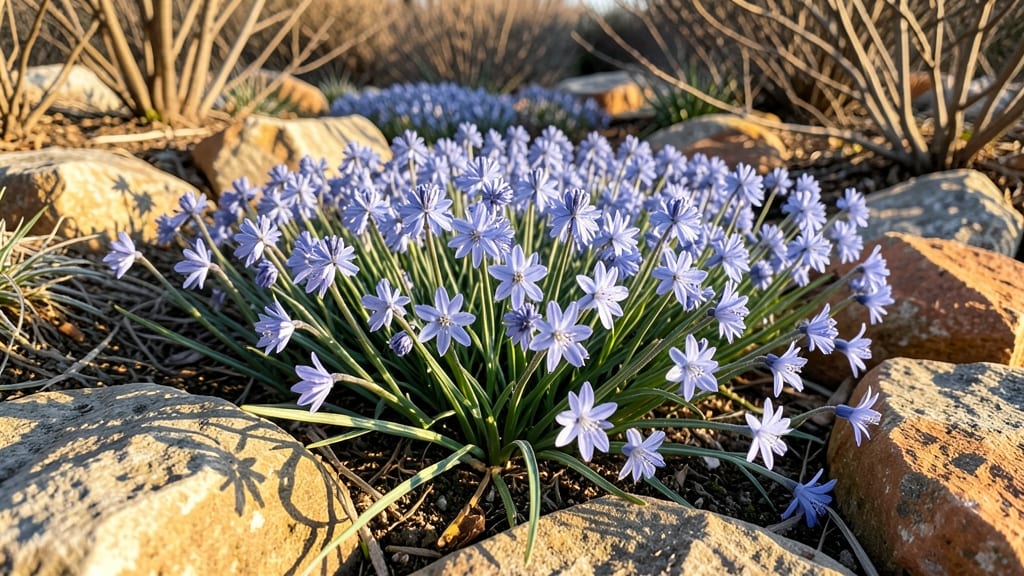
Looking for a self-sustaining late-winter bloomer that thrives in sunny spots where other plants struggle? Puschkinia scilloides tenuior, or "scilla," delivers sky-blue star-shaped flowers that multiply effortlessly in rock gardens or containers.
This drought-tolerant bulb produces dense clusters of delicate blooms from February through April, often reblooming if given well-draining soil. Its self-seeding habit means fewer planting chores—simply scatter bulbs in full sun and watch them naturalize over time. Ideal for urban gardeners with limited space, it pairs beautifully with lavender or ornamental grasses.
Perfect for rock gardens or container arrangements, this low-maintenance star performs where many winter bloomers fail. Just remember: deadhead spent flowers to encourage next year's display. 🌟
Winter Jasmine Jasminum Nudiflorum
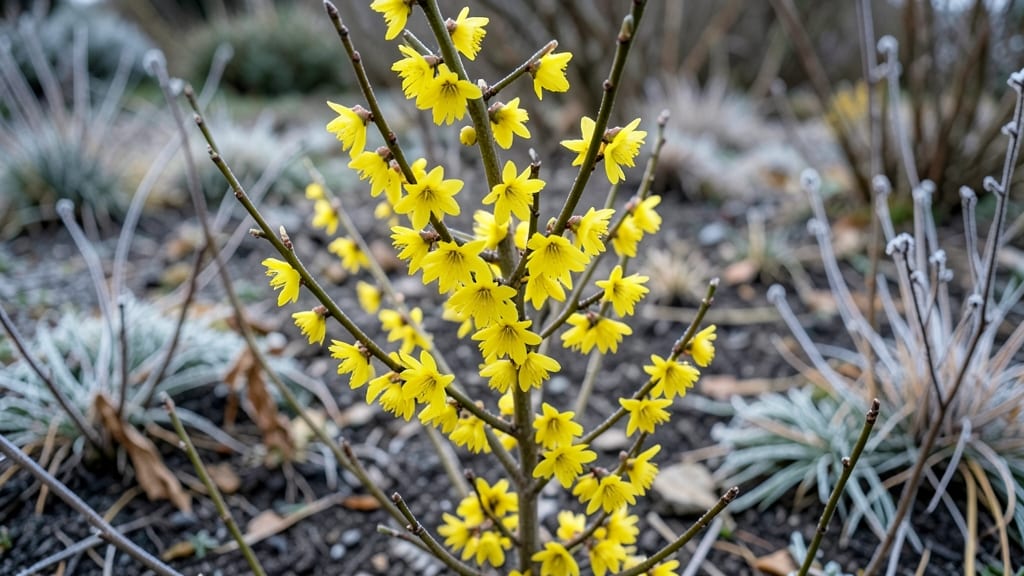
When your garden feels like a blank canvas in late winter, winter jasmine (Jasminum nudiflorum) steps in with its bold statement of bright yellow flowers. Unlike most plants that wait for spring, this deciduous shrub bursts into color from January through March, making it one of the first vertical accents to brighten north-facing walls, fences, or trellises.
Hardy to USDA zone 6 and beyond, winter jasmine thrives in full sun to partial shade, tolerating even urban conditions where other plants might struggle. Its arching stems can reach 10 feet long, creating a stunning cascading effect when trained along structures. For best results, prune back stems after flowering to encourage bushier growth next season—this keeps the plant compact and flowering vigorously.
Perfect for gardeners who want low-maintenance winter interest, winter jasmine also attracts early pollinators like bees when few other flowers are available. It’s especially ideal for urban gardens with limited space or north-facing walls that rarely get sunlight. 🌻
Glory-of-the-Snow Chionodoxa Luciliae
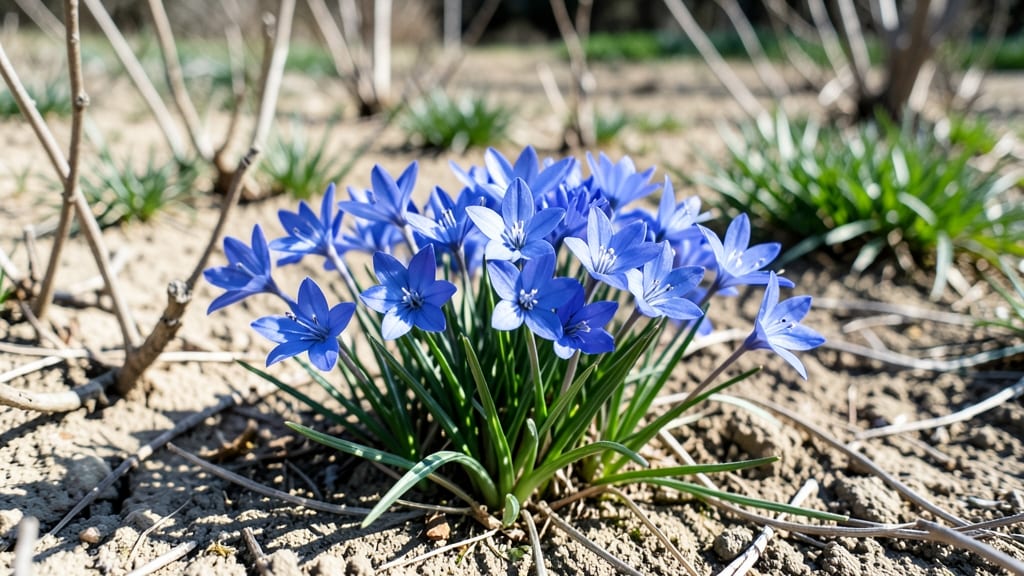
When your garden looks like a blank canvas in late winter, Glory-of-the-Snow (Chionodoxa luciliae) bursts onto the scene with its vibrant blue star-shaped blooms that appear before grass even greens up. This cheerful bulb thrives in full sun and naturalizes beautifully, making it a standout for sunny borders or containers.
Plant these bulbs in well-draining soil 4-6 inches deep in fall for early spring blooms. They're perfect for forcing indoors—simply dig up clumps in late winter, pot them, and place in a cool, sunny window for weeks of indoor color. Their drought-tolerant nature means minimal care once established, and they multiply over time.
Urban gardeners and small-space growers will love how these compact bulbs brighten patios and window boxes. Their cheerful blooms also attract early pollinators, giving bees a vital food source when little else is available. 🌻
Cyclamen Coum
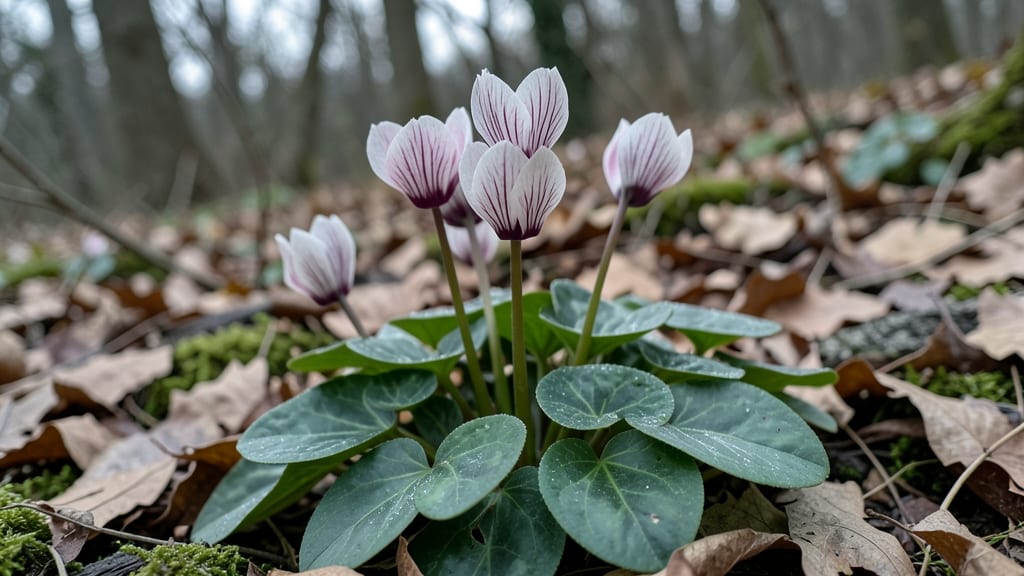
When your garden feels like a winter monochrome, Cyclamen coum bursts onto the scene with its delicate silver-marked pink blooms, often appearing as early as February. Unlike many late-winter flowers, this woodland beauty thrives in shade where few others dare to grow, making it a secret weapon for transforming dull corners into pollinator magnets.
Plant these bulbs in well-draining soil under deciduous trees or shrubs where they'll receive dappled sunlight. They naturalize beautifully over time, creating carpets of foliage and flowers that emerge before spring bulbs like daffodils. The key to their success is minimal intervention—just protect them from late frosts with a light mulch layer, and they'll reward you with weeks of color while supporting early bees and butterflies.
Perfect for shade gardeners and woodland enthusiasts, Cyclamen coum offers both beauty and ecosystem benefits without demanding full sun or constant attention. 🌷
Daffodil Ice Follies
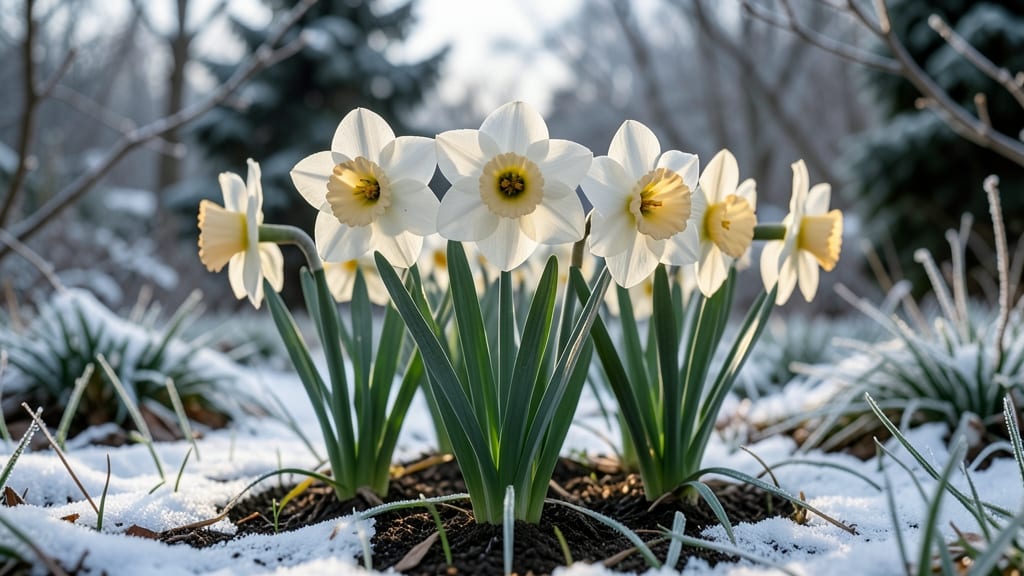
When your garden feels like a blank canvas in February, Daffodil Ice Follies arrive like a snowstorm of elegance—pure white petals with golden centers that defy winter's chill. These aren't your typical daffodils; they bloom earlier than most, often pushing through snow in USDA zones 3-8, and their striking contrast makes them the star of cutting gardens.
Plant bulbs in full sun to partial shade in fall for February blooms that last 2-3 weeks. Their drought-tolerant nature means they thrive even when other plants are still dormant, and they're deer-resistant—perfect for problem areas. The secret to their longevity? Deadhead spent blooms but leave foliage until it yellows completely to feed next year's flowers.
Urban gardeners and cottage-style enthusiasts will love these for their versatility—they shine in borders, containers, or as dramatic focal points. Their early bloom also supports bees when food is scarce, making them a gardener's hero. 🌻
Primula Vulgaris Oxlips

If you're looking for a late winter bloomer that feels like a secret garden treasure, Primula vulgaris oxlips delivers delicate yellow blooms that brighten damp meadows and woodland edges. These native British primroses emerge in February-March, offering a splash of sunshine when other flowers are still dormant.
Thriving in moist, well-drained soil and partial shade, oxlips naturalize beautifully over time, creating lush colonies that attract early pollinators like bees and butterflies. Unlike many primroses, they tolerate occasional wet conditions, making them ideal for rain gardens or areas near ponds. Simply plant in clusters for a meadow-like effect—no formal garden required.
Perfect for gardeners who love low-maintenance perennials with high ecological value, oxlips reward patience with years of reliable blooms and fragrant foliage. They're also a great choice for UK gardeners seeking native plants that support local wildlife. 🌿