
Blooming
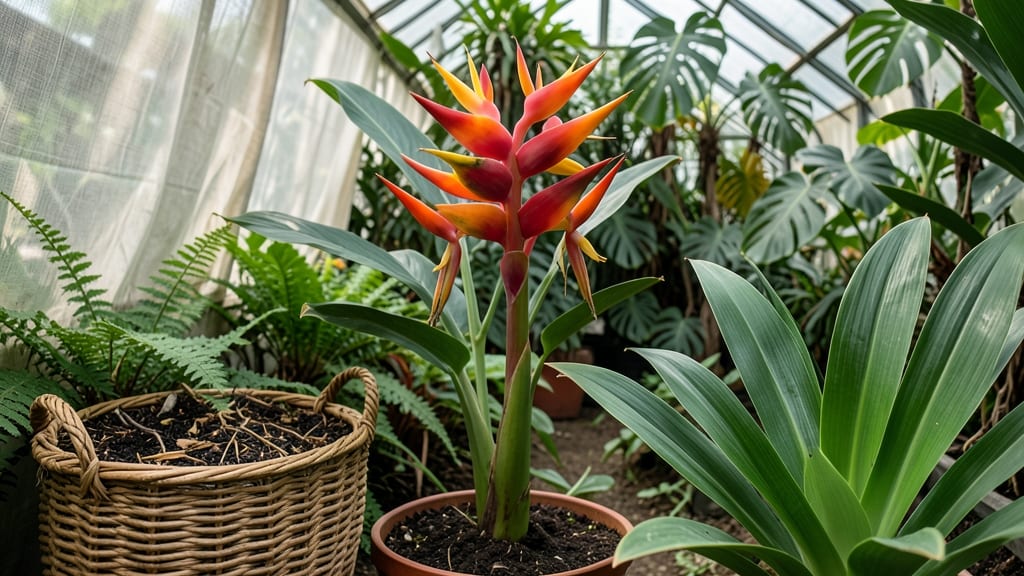
Perennial flowers that bloom all year need warm climates or intentional care to sustain vibrant blooms, featuring heat-loving varieties like lantana, salvia, and pentas that rebloom continuously with proper deadheading and hydration. Evergreen options like hellebores add lush greenery year-round.
These flowers rely on heat tolerance and strategic maintenance to break seasonal cycles. 🌿 In warmer regions, plants like bougainvillea and pentas naturally extend blooming periods, while even temperate climates can achieve year-round color with careful watering and pruning.
The key is understanding each plant's specific needs—some thrive with minimal water once established, while others demand consistent moisture to keep their flowers vibrant.
For example, lantana's small clusters explode with color when pruned regularly, while salvia prefers well-draining soil and full sun exposure. Hellebores, though evergreen, reward patience with early spring blooms that last through winter's chill.
The secret lies in matching plants to their ideal growing conditions and providing consistent care throughout the year.
💡 In This Article
- How Heat-Triggered Perennials Sustain Year-Round Blooms
- Top 12 Perennial Flowers for Nonstop Color with Care Tips
How heat-triggered perennials sustain year-round blooms
Heat-triggered perennials rely on a fascinating botanical mechanism called thermoperiodism, where warmer temperatures act as a signal to initiate or sustain flowering. Unlike many temperate perennials that follow strict seasonal cues (like day length or cold periods), these plants respond directly to consistent warmth.
For instance, lantana and pentas originate from tropical regions where temperatures rarely drop below 50°F, and their growth cycles are synchronized with heat rather than cold dormancy. This means they continue producing flowers as long as conditions remain favorable.
The key factor is their photoperiod insensitivity—most heat-loving perennials don't rely on specific daylight hours to bloom. Instead, they produce flowers continuously when temperatures stay above 65°F and they receive adequate sunlight (typically 6-8 hours of direct sun daily).
Salvia, for example, enters a natural reblooming cycle when pruned back after its initial flush of flowers, a process triggered by the plant's response to warmth and new growth stimuli. 🌡️ Even in cooler climates, these plants can be coaxed into extended blooming by providing winter protection (like mulch or microclimates) and consistent care.
Soil temperature plays an equally critical role. Roots of heat-triggered perennials thrive in soil that stays above 60°F, which is why well-draining, sandy, or rocky soils (common in desert regions) work perfectly—they warm up quickly and retain minimal moisture that could cause rot.
In contrast, heavy clay soils can trap cold, stunting root growth and halting flowering. This is why bougainvillea, native to South America's warm coastal areas, struggles in northern climates unless grown in containers that can be moved indoors during winter.
The plant's ability to adapt to container life demonstrates how heat-loving perennials prioritize temperature consistency over traditional seasonal cues.
Watering strategies also differ from temperate perennials. While most garden flowers need regular watering to establish roots, heat-triggered varieties often develop deep root systems that access moisture from lower soil layers.
Once established, many (like lantana) can tolerate drought-like conditions for weeks—their survival mechanism is to conserve water during heatwaves. However, this drought tolerance comes with a trade-off: under-watered plants produce fewer blooms because their energy shifts to root maintenance rather than flower production.
The sweet spot is deep watering every 7-10 days once roots are established, encouraging robust growth without wasting resources.
Another critical adaptation is their evergreen or semi-evergreen foliage, which minimizes seasonal dieback. Plants like pentas and salvia retain their leaves year-round, photosynthesizing continuously to fuel flower production. This contrasts with temperate perennials that go dormant in winter, shedding leaves to conserve energy.
The trade-off? Evergreen foliage can become leggy or sparse if not pruned regularly. For example, salvia's woody stems can become bare at the base if not cut back annually in early spring, reducing both aesthetics and flowering capacity.
This pruning isn't just about shaping—it's a biological reset that stimulates new growth and triggers another round of blooms.
Regional adaptations further illustrate how these perennials defy traditional seasons. In Florida's Zone 9-10, lantana blooms nearly year-round with minimal care, while in Zone 7, the same plant may need winter protection to survive.
The difference lies in the plant's ability to sense and respond to microclimates—even a few degrees of warmth can extend the blooming season.
For gardeners in cooler zones, creating a sunny, south-facing microclimate (like near a brick wall) can provide the extra heat needed to push blooming later into fall or earlier in spring. This localized warmth mimics the tropical conditions these perennials evolved in.