
Blooming
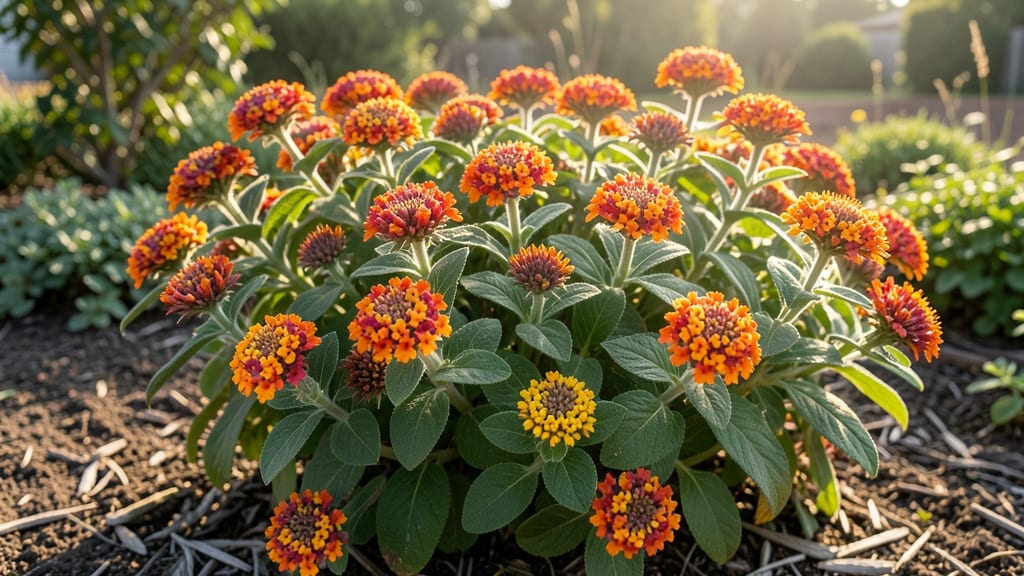
Sun-loving blooms that steal the summer show 🌻—these are the plants that turn your garden into a vibrant, buzzing paradise from June through September.
I’ve tested dozens over the years, and these stand out for their bold colors, long bloom times, and low-maintenance charm, whether you’re in the heat of Zone 8 or the humid summers of Zone 9.
Think beyond roses and sunflowers: black-eyed Susans (golden daisies that last until frost), salvia (spiky blooms that hummingbirds adore), and coneflowers (purple-pink pollinator magnets) all thrive with minimal fuss. Even my first-year garden—where I overwatered everything—produced enough blooms to make neighbors ask for cuttings.
The secret? Six hours of sun daily and well-draining soil. Most of these plants handle drought once established, and deadheading spent blooms extends their show. You’ll end up with a garden that feels like a nonstop party—but one where the guests (bees, butterflies) actually help the plants thrive.
Perfect for borders, containers, or cutting gardens. Here’s the full lineup to plan your summer spectacle!
Nature’s Summer Flowering Trigger
Summer isn’t just a season—it’s a biological performance orchestrated by plants to maximize survival and reproduction. 🌞🌸 The burst of color and fragrance you see in gardens isn’t random; it’s the result of precise environmental cues and evolutionary adaptations.
Let’s break down the science behind why plants choose summer to put on their most dazzling show.
Plants are photoperiodic, meaning their flowering cycles are triggered by changes in daylight. As summer arrives, two key factors kick into high gear:
- Longer Daylight Hours: Most summer-blooming plants are long-day plants, meaning they need 14+ hours of light daily to flower. This extra sunlight boosts photosynthesis, giving plants the energy to produce blooms instead of just leaves. Think of it like a green factory running overtime!
- Warmer Temperatures: Heat accelerates metabolic processes, including the production of floral hormones like florigen. For example, Lantana and Black-Eyed Susans thrive in temperatures above 70°F (21°C), as their genetic code is hardwired to respond to summer’s warmth. Pro tip: Some tropical plants (like Bougainvillea) even require consistent heat—drops below 60°F (15°C) can stall their blooming entirely. 🌡️
While summer’s heat fuels flowering, water availability plays a surprising role in when plants bloom—not just if. Here’s how:
- Moderate Moisture Triggers: Many summer bloomers (like Zinnias or Marigolds) need consistent but not soggy soil to signal it’s time to flower. Too much water can delay blooming by encouraging leafy growth, while drought stress can halt flower production entirely. Aim for 1–1.5 inches of water per week (adjust for clay/sandy soil).
- Humidity’s Hidden Role: Plants in humid climates (e.g., Hydrangeas) often bloom later in summer because high moisture levels slow down transpiration, delaying the hormonal shift to flowering. In contrast, arid-loving plants (like Desert Marigolds) bloom earlier to take advantage of brief summer rains. 💧
Summer blooms don’t happen overnight—they’re the culmination of spring’s preparations. Many plants use winter and early spring to:
- Build Root Systems: Perennials like Coneflowers and Bee Balm spend spring expanding their roots to store energy (via starches and sugars) for summer’s floral display. Think of it as a plant saving up for a vacation—except their vacation is reproduction! 🌱
- Photoperiod Sensitivity: Some plants (e.g., Sunflowers) are day-neutral but still need cool spring nights to "reset" their internal clocks. If spring is unusually warm, these plants may bolt (flower prematurely) with smaller, less vibrant blooms.
Timing isn’t just about the plant—it’s about who’s around to help them. Summer’s explosion of blooms coincides with:
- Peak Pollinator Activity: Bees, butterflies, and hummingbirds are most active in summer, triggering plants to bloom when pollinators are abundant. For example, Butterfly Weed releases nectar in sync with Monarch migrations. Without this partnership, many plants would waste energy on sterile flowers.
- Evolutionary Arms Race: Bright colors and strong scents (like Lavender’s fragrance) are summer survival tactics to outcompete other bloomers for pollinator attention. Fun fact: Some plants even time their blooms to open at specific times of day (e.g., Moonflowers at night) to maximize pollinator visits. 🦋
Not all summers are created equal—and neither are flowering schedules. Here’s how geography shapes blooms:
| Climate Zone | Typical Summer Bloomers | Why They Bloom When They Do |
|---|---|---|
| Tropical (e.g., Florida, Hawaii) | Plumeria, Hibiscus, Bird of Paradise | Consistent heat and humidity remove seasonal barriers, allowing year-round blooming (though peaks occur in summer). |
| Mediterranean (e.g., California, Chile) | Lavender, Poppies, Sage | Dry summers force plants to bloom early before water scarcity sets in (a trait called summer dormancy). |
| Temperate (e.g., Midwest, UK) | Daylilies, Black-Eyed Susans, Coneflowers | Moderate summers provide ideal light/heat balance without extreme stress, perfect for prolonged blooming. |
Pro tip: If you’re in a hot, dry climate, opt for drought-tolerant summer bloomers like Russian Sage or Salvia. In humid areas, prioritize mildew-resistant plants like Cleome or Lantana. ✨
Quick Fixes for Summer Garden Glamour
Summer’s vibrant blooms don’t always arrive as planned—whether it’s wilting heat stress, pests crashing the party, or soil that’s just too tired. But don’t worry! With a few targeted tweaks, you can revive your garden’s star power and keep those sun-loving showstoppers thriving.
Below, we’ve matched common summer blooming problems with practical, step-by-step solutions—plus pro tips to prevent future flops.
Cause: Scorching sun, dry soil, or roots struggling to keep up with thirsty blooms. Solution:
- Morning Watering Magic 💦 Water deeply before 9 AM to let roots soak up moisture without evaporation. Use a soaker hose or drip irrigation to deliver water slowly to the base (not the leaves!). Pro Tip: Mulch with 2–3 inches of shredded bark or straw to lock in moisture and cool roots. 🌡️
- Shade Rescue for Wilted Stars 🌿 If plants like petunias or impatiens droop in afternoon heat, drape lightweight shade cloth (30–50%) over them for 2–4 hours daily. Remove it once temps drop below 85°F.
- Hydration Boost for Heavy Bloomers 💧 Plants like hibiscus or roses need 1–2 inches of water weekly. Add a slow-release fertilizer (like 10-10-10) to replenish nutrients lost in heat.
Cause: Aphids, Japanese beetles, or spider mites sucking the life out of your blooms. Solution:
- Neem Oil Spray 🌿🔥 (Best for soft-bodied pests like aphids) Mix 1 tbsp neem oil + 1 tsp mild soap + 1 quart water. Spray early morning or evening (avoid direct sun). Reapply every 5–7 days.
- DIY Beer Trap for Slugs & Snails 🍺🐌 Bury a shallow dish filled with beer near affected plants. The scent lures pests in—dispose of them daily!
- Handpick & Destroy 👨🍳🔪 (For beetles or caterpillars) Fill a bucket with soapy water and pluck pests off roses, marigolds, or dahlias in the early morning when they’re sluggish.
- Prevention: Plant pest-repelling companions like basil, marigolds, or nasturtiums near vulnerable bloomers. ✨
Cause: Over-fertilizing (too much nitrogen = leafy monsters), poor pruning, or wrong light conditions. Solution:
- Prune for Blooms ✂️🌸 Deadhead spent blooms (snip just above a leaf node) to encourage more flowers. For shrubs like hydrangeas or buddleia, trim 1/3 of old growth in early summer to stimulate new growth.
- Feed Right for Flowers 💪🥗 Switch to a low-nitrogen, high-phosphorus fertilizer (like 5-10-5) to boost blooms. Avoid spring lawn fertilizer—it’s too heavy on greenery.
- Light Check ☀️🌿 If plants like sunflowers or zinnias are leggy, they need more sun (6+ hours daily). Move them to a sunnier spot or supplement with a grow light for 4–6 hours if container-grown.
Cause: Too much rain = fungal diseases (powdery mildew, black spot) or root rot. Solution:
- Improve Drainage 🚿💨 Amend heavy clay soil with compost or perlite to prevent waterlogging. For containers, ensure drainage holes and elevate pots with feet or bricks.
- Fungal Foes? Act Fast! 🍄🚫
- Baking Soda Spray: Mix 1 tsp baking soda + 1 quart water + a drop of soap. Spray weekly on leaves to prevent powdery mildew.
- Copper Fungicide: Use organic copper-based sprays for black spot on roses.
- Space Plants for Airflow 🌬️ Overcrowding = humidity traps. Thin out overgrown foliage or stake tall plants (like delphiniums) to improve circulation.
- Mulch Like a Pro: 3–4 inches of organic mulch (wood chips, pine straw) retains moisture and regulates soil temp. 🌡️
- Water Wisely: Drip irrigation or soaker hoses waste less water than sprinklers. 💧
- Rotate Crops: If growing annuals in containers, swap out soil mid-season to refresh nutrients.
- Watch the Weather: Cover tender bloomers (like geraniums) with frost cloth if a late-summer chill hits. ❄️
Remember: Even the most dramatic summer blooms can bounce back with a little TLC. Start with one fix at a time, monitor progress, and adjust as needed. Your garden’s grand finale is still on the way! 🌺🎉
Frequently asked questions
Which summer-blooming plants attract the most pollinators?
Top pollinator magnets include coneflowers, bee balm, and butterfly weed—all packed with nectar and easy for bees and butterflies to access. For long-lasting action, lantana and salvia provide continuous blooms from early summer through fall. Pro tip: Plant these in clusters to create "pollinator highways" in your garden.
Can I grow summer flowers in containers?
Choose compact varieties like petunias, geraniums, or zinnias for containers. Use well-draining potting mix and ensure containers get 6+ hours of sun daily. For heavy bloomers like hibiscus, pick larger pots (12+ inches) with drainage holes. Water containers daily in extreme heat—they dry out faster than garden beds.
Why do some summer flowers stop blooming?
Most common causes are over-fertilizing with nitrogen (which encourages leaves over blooms) or lack of deadheading. Many summer annuals also need consistent watering—skipping water can stress plants and halt flowering. Try switching to a low-nitrogen, high-phosphorus fertilizer (like 5-10-5) to boost blooms.
What's the easiest summer-blooming plant for beginners?
Marigolds and zinnias are the most forgiving—both thrive in full sun, handle heat well, and bloom nonstop with minimal care. For perennials, black-eyed Susans are nearly indestructible once established. All three tolerate occasional drought and deter pests naturally, making them perfect for first-time gardeners.
How do I extend summer blooms into fall?
Deadhead regularly to encourage new growth, and fertilize lightly with phosphorus-rich food every 4-6 weeks. For tender plants like petunias, bring containers indoors before frost. In cooler climates, protect perennials like coneflowers with a light mulch layer to insulate roots. Choose late-season varieties like chrysanthemums or astors for natural fall extensions.