
Blooming
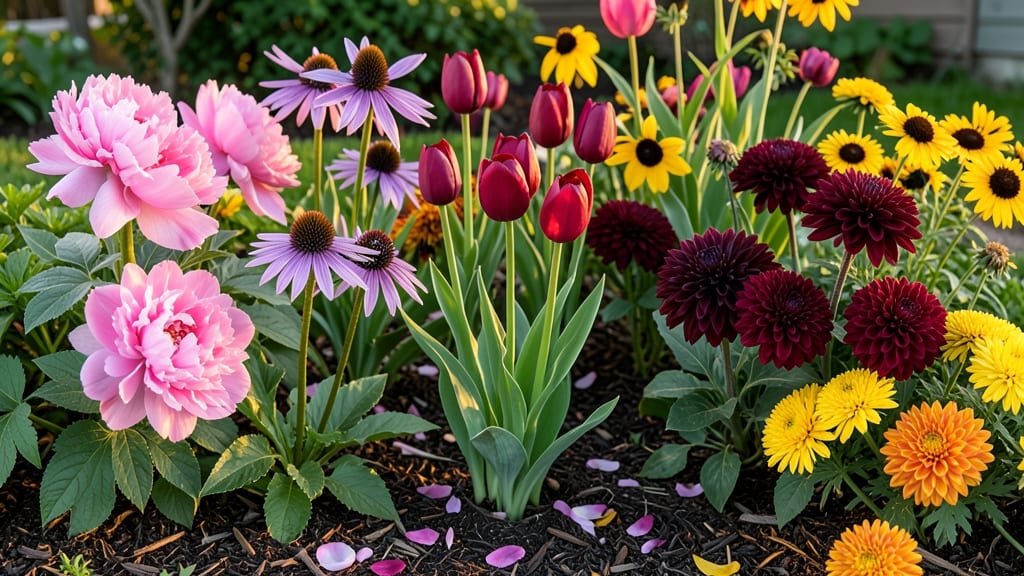
What's in bloom now varies by your USDA hardiness zone, with spring favorites like tulips and daffodils lighting up Zones 3-7, while azaleas and camellias dominate Zones 7-10. Summer gardens burst with roses, sunflowers, and hydrangeas nationwide, while fall brings chrysanthemums, asters, and ornamental grasses to cooler climates. Your local climate dictates exact bloom windows.
Your garden's seasonal palette changes dramatically based on where you live. 🌸 In colder northern zones (3-5), early spring bloomers like crocuses and bleeding hearts emerge weeks before southern gardens see their first daffodils.
Meanwhile, Zone 9-10 regions might already be enjoying their second wave of summer blooms like bougainvillea or hibiscus. I recommend checking your zone's last frost date—this tells you when to expect peak bloom periods with near-perfect accuracy.
What's interesting is how some plants like hydrangeas bloom on old wood (last year's growth) while others like roses produce flowers on new growth—this affects when you'll see color.
For example, hydrangeas in Zone 7 might bloom in late spring, while roses in the same zone could keep flowering until frost. Planning around these patterns helps create gardens that stay vibrant all season long.
💡 In This Article
- Seasonal Flower Blooms by US Hardiness Zones
- How to Plan Your Garden Around Current Blooms
Seasonal flower blooms by US hardiness Zones
Understanding bloom cycles starts with recognizing how temperature and daylight hours trigger different flowers to open. In Zones 3-5, early spring bloomers like crocuses and bleeding hearts emerge as soon as soil temperatures reach 50-55°F, often 4-6 weeks before last frost.
These plants are cold-hardy perennials that store energy underground during winter, using it to fuel rapid growth when conditions warm. Meanwhile, in Zones 7-10, camellias and azaleas begin blooming in late winter when daytime temperatures consistently stay above 60°F.
The key difference lies in each plant's chilling requirement—the number of hours below 45°F needed to break dormancy. For example, peonies in Zone 4 need 800-1,000 hours of chilling, while bougainvillea in Zone 10 requires 0-200 hours.
This explains why you'll see daffodils blooming in March in Zone 5 but not until April in Zone 8. 🌷 The transition from spring to summer blooms happens when average temperatures exceed 70°F for 2-3 weeks, signaling roses, sunflowers, and hydrangeas to open their buds.
Heat-tolerant flowers like hibiscus and salvias thrive in Zones 9-11 because they've evolved to handle prolonged 90°F+ temperatures. Their waxy leaves reduce water loss, while deep root systems access moisture from lower soil layers.
In contrast, delphiniums in Zones 3-6 bolt (flower prematurely) if daytime temperatures exceed 80°F for more than 2 weeks. This explains why summer gardens in cooler zones may appear sparse compared to their southern counterparts.
Fall bloomers like asters and chrysanthemums rely on shorter daylight hours (photoperiodism) to trigger flowering. As days shorten below 12 hours of sunlight, these plants produce hormones that stimulate bud formation. In Zone 5, asters typically bloom in September, while in Zone 9, they may wait until November.
The first frost date becomes critical here—flowers that can't withstand 28°F temperatures (like impatiens) will die back, while cold-hardy varieties like Russian sage continue blooming until hard frost.
Regional microclimates add another layer of complexity. Coastal areas in Zone 8 (like San Francisco) may have 10-15°F warmer winters than inland locations, delaying spring blooms by 3-4 weeks. Similarly, urban heat islands can push summer blooms earlier by 7-10 days compared to rural areas.
This is why checking your exact zone (not just the general range) and observing local nurseries is essential for accurate bloom predictions.
What's fascinating is how some flowers use thermogenesis—heat generation—to open their blooms. Skunk cabbage, for example, can raise its flower temperature to 80-90°F even when ambient air is 32°F, creating a scent plume that attracts pollinators.
This biological trick explains why you might spot skunk cabbage blooming in Zone 4 while other plants remain dormant. 🌱