
Trees
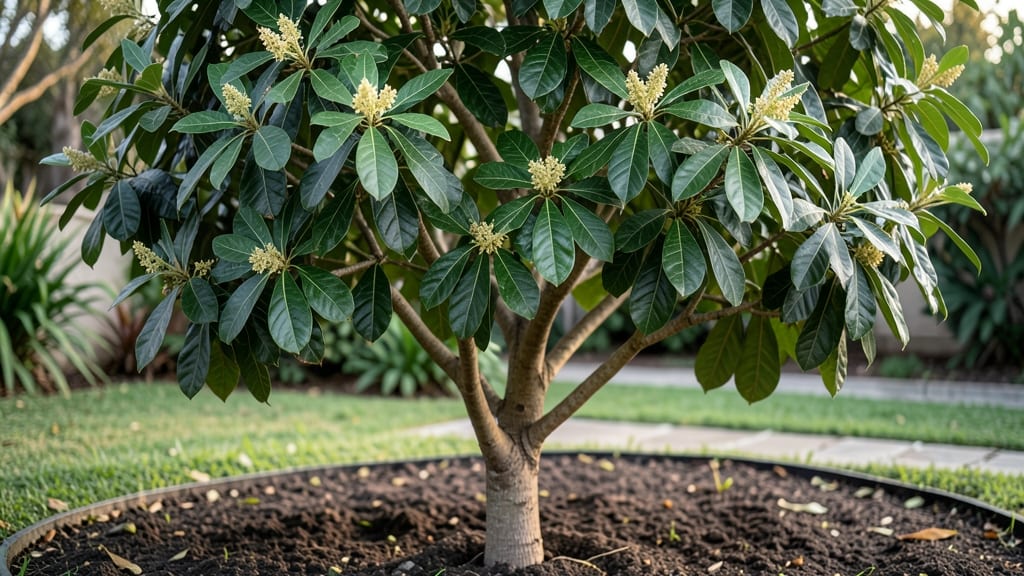
Avocado trees in Florida bloom when temperatures rise between 70°F and 85°F, typically kicking off their flowering cycle in late winter or early spring 🥑 — but the exact timing depends on your variety and local microclimate.
Picture this: you’ve nurtured your tree for years, only to wake up one morning and realize the flowers are already fading. That’s the risk when you don’t know how heat triggers blooms, or which varieties like Hass or Reed respond fastest to Florida’s unpredictable spring shifts.
Below, I break down the heat-dependent bloom windows by variety, how to spot the first signs of flowers, and what you can do to encourage a second flush of blooms later in the year.
You’ll also learn how to avoid common mistakes—like overwatering or pruning at the wrong time—that can turn your tree’s flowering season into a bust, leaving you with fewer fruits than you’d hoped for.
Florida avocado bloom seasons: heat-dependent timing by variety
Florida’s year-round warmth makes it ideal for growing avocado trees, but their blooming windows depend heavily on temperature shifts rather than fixed dates. Unlike California varieties, Florida avocados often bloom in late winter to early spring, triggered by cool nights (55-60°F) followed by warm days (75-85°F).
This heat-dependent cycle explains why some trees flower twice yearly while others follow a biennial pattern.
Understanding these variety-specific bloom windows helps Florida gardeners predict fruit production and optimize pollination strategies. For example, Hass avocados—the most popular Florida variety—typically bloom in January through March, while Reed avocados may extend into April or May in cooler inland regions.
Coastal areas often see earlier blooming due to milder temperatures.
Here’s a quick reference for Florida’s most common avocado varieties and their heat-triggered bloom seasons, including how to recognize early signs of flowering:
Notice how Hass and Fuerte varieties typically bloom first, followed by Reed and Lamb Hass in warmer months. This staggered timing is crucial for cross-pollination, especially in Florida’s humid climate where natural pollinators like bees may struggle.
If you’re growing multiple varieties, plant them within 50 feet of each other to maximize fruit set.
The 48-hour pollination window after flowers open is critical—hand-pollination may be needed if rain washes away pollen. Use a soft paintbrush to transfer pollen from male flowers (long stamens) to female flowers (short stamens). This technique works best in morning hours when humidity is lower.
Florida’s micro
How to identify avocado tree bloom stages and ensure successful pollination
Avocado trees in Florida follow a heat-triggered blooming cycle that typically kicks off in late winter to early spring when temperatures hover between 65°F and 85°F. Recognizing the three distinct bloom stages—bud formation, flowering, and fruit set—is key to maximizing your tree’s yield.
Each stage has unique visual cues that help you time interventions like hand-pollination for optimal success.
First, watch for tiny green flower buds emerging from leaf axils in January or February. These buds will swell over 7–10 days before bursting into bloom.
Florida’s humid subtropical climate creates ideal conditions for rapid bud development, but temperature spikes above 90°F can shock the tree and drop buds prematurely. This is why monitoring weather forecasts is critical during peak bloom season.
⚠️ CRITICAL POLLINATION WINDOW ⚠️ Avocado trees produce male and female flowers on separate blooms, and pollination must occur within 48 hours of flowering for fruit to set. Florida’s high humidity can trap pollen, but wind dispersal is unreliable—especially in dense foliage.
Without intervention, up to 70% of potential fruit may fail to develop. Hand-pollination with a soft brush or cotton swab is often the difference between a bountiful harvest and a sparse one.
Next, identify the two flower types: male blooms have long, slender stamens (pollen producers), while female flowers feature a small, central stigma (pollen receptor). Both bloom together but female flowers open slightly earlier.
Use a magnifying glass to spot the tiny white 'A' shaped stigma—this is your cue to begin hand-pollination immediately. Timing is everything: if you miss this window, the stigma dries out and becomes infertile.
For hand-pollination, collect pollen from male flowers using a clean paintbrush or cotton swab, then gently transfer it to female stigmas. Work in the early morning when humidity is lower and pollen is most viable.
Florida’s afternoon thunderstorms can wash away pollen, so avoid pollinating after 10 AM. Repeat this process every 24 hours for 3–5 days to ensure maximum fruit set. Keep a log of pollination dates to track which branches are most productive.
After successful pollination, you’ll notice tiny green avocados forming within 2–3 weeks. However, not all pollinated flowers will develop fruit—avocado trees often abort 50% of early fruit to conserve energy.
To support the remaining fruit, reduce nitrogen-rich fertilizers and switch to a low-nitrogen, high-potassium blend (like 6-6-6) to encourage stronger fruit development. Thin any remaining fruit to 6–8 inches apart once they reach golf-ball size to prevent overcrowding.
Monitor your tree for signs of stress like yellowing leaves or bud drop, which can signal nutrient deficiencies or pest issues. In Florida, avocado lace bugs and spider mites thrive during bloom season and can weaken the tree.
Spray with neem oil or introduce beneficial insects like ladybugs to protect your investment. With proper care, your avocado tree can produce harvest-ready fruit in 6–12 months—but it all starts with mastering those 48-hour pollination windows.