
Blooming
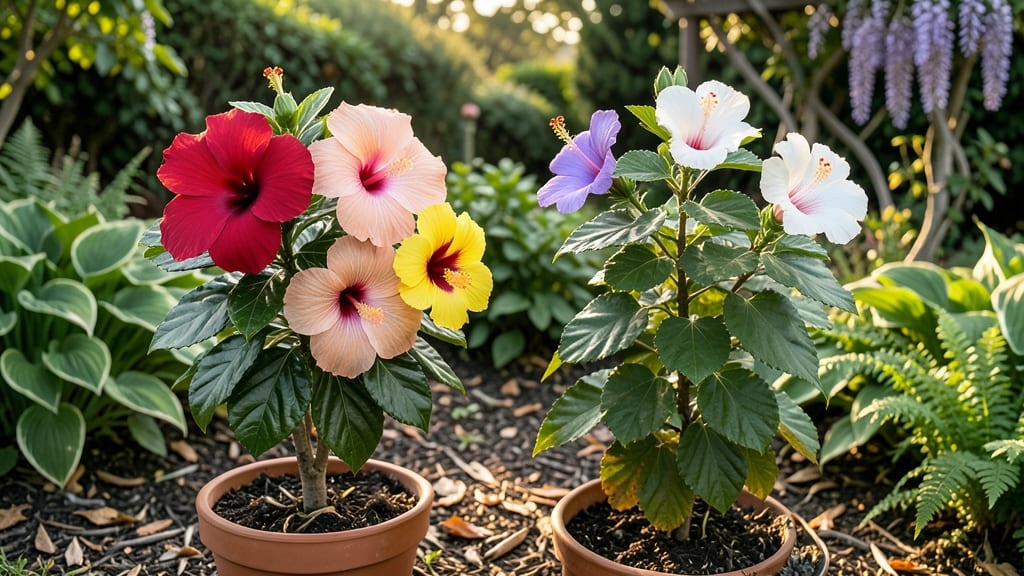
Hibiscus bloom in Florida year-round with peak seasons from spring through fall, but timing varies by variety and climate zone.
If you're dreaming of vibrant tropical blooms in your Florida garden, timing is everything—hibiscus flowers can burst into color at different times depending on the variety, climate zone, and care. But when exactly should you expect those stunning red, pink, or yellow flowers to appear?
In Florida's 9a-11 zones, tropical hibiscus like Hibiscus rosa-sinensis often bloom continuously, especially in warmer months, while hardier types may take a seasonal break. The key to predicting blooms lies in understanding your local microclimate and giving your plants the right care.
Below, we’ll break down the month-by-month blooming patterns for Florida’s most popular hibiscus varieties, plus pro tips to extend their showstopping displays all year long.
Florida hibiscus blooming seasons by variety: tropical vs hardy types
Florida’s year-round growing season makes it a paradise for hibiscus lovers, but not all varieties bloom at the same time. Tropical hibiscus like Hibiscus rosa-sinensis thrive in the warm climate, while hardy hibiscus (like Hibiscus syriacus) follow seasonal cycles.
Understanding these differences helps you plan for continuous color in your garden.
The key difference lies in Florida’s microclimates. South Florida’s USDA Zone 10-11 allows tropical hibiscus to bloom year-round, while Central and North Florida’s cooler winters (Zone 8-9) trigger seasonal dormancy in hardy types.
Even within Florida, a 5°F temperature drop can signal hardy hibiscus to pause blooming until spring.
Tropical hibiscus (e.g., ‘Lime Green Lights’ or ‘Pink Giant’) produce flowers spring through fall, with peak blooms in summer and early fall. Hardy hibiscus, however, typically bloom late spring to early fall, with a 6-week break in winter. This timing shift is critical for gardeners aiming for round-the-clock color.
| Variety Type | Bloom Season | Peak Months | Best Florida Zones | Care Tip |
|---|---|---|---|---|
| Tropical Hibiscus | Year-round (reduced winter) | May–October | 9a–11 | Prune lightly in winter |
| Hardy Hibiscus | Spring–Fall | June–September | 8a–9b | Fertilize in early spring |
| Dwarf Tropical | Year-round (container-friendly) | April–November | All zones (potted) | Bring indoors in winter |
| Hardy ‘Diana’ | Late spring–early fall | May–August | 8a–9a | Prune after first frost |
For continuous hibiscus blooms, mix tropical and hardy varieties. Plant ‘Lime Green Lights’ (tropical) alongside ‘Hamabo’ (hardy) to create a 12-month display. Tropical types like ‘Parrot’ series thrive in South Florida’s heat, while hardy ‘Blue Chiffon’ waits for warmer spring temps before bursting into color.
In North Florida (Zone 8a-9a), hardy hibiscus may need winter protection like mulch or burlap wraps to survive brief cold snaps. Even tropical hibiscus slow down in winter months, producing fewer blooms until spring warmth returns.
This natural rhythm helps you prepare for seasonal care shifts.
To extend bloom periods, deadhead spent flowers weekly and fertilize with a bloom-boosting 7-9-5 NPK every 6 weeks. In South Florida, tropical hibiscus may bloom year-round with minimal care, while Central Florida gardeners should focus on spring pruning to encourage summer blooms.
If you live in North Florida, prioritize hardy varieties like ‘Natchez’ or ‘Midnight Marvel’, which handle cooler temps better. In South Florida, tropical hybrids like ‘Red Splash’ or ‘Yellow Hammer’ deliver bold colors with minimal effort. Choose based on your local microclimate for the best results.
For container gardening, dwarf tropical hibiscus like ‘Helena’ or ‘Mini Maui’ thrive in pots and can be moved indoors during winter cold snaps. This flexibility lets you control bloom timing and protect delicate varieties from unexpected frost.
With the right mix, your hibiscus can flower nonstop across Florida’s diverse climates.
Remember,
How to predict hibiscus blooming in Florida: climate, pruning, and care tips
Florida’s humid subtropical climate creates perfect conditions for hibiscus to thrive, but bloom timing varies dramatically across the state. In South Florida (Zones 10–11), tropical hibiscus like Hibiscus rosa-sinensis can flower year-round with proper care, while North Florida (Zones 8–9) sees seasonal blooms—peaking spring through fall—due to cooler winters.
Understanding these microclimate differences and adjusting your care routine can shift bloom cycles to keep your garden vibrant all year.
The key to predicting hibiscus blooms lies in three factors: pruning timing, fertilization schedules, and watering consistency. Florida’s high humidity and intense summer heat can stress plants, causing them to drop buds or bloom erratically.
By mastering these techniques, you can encourage earlier spring blooms or prolonged fall color, even in cooler regions. Let’s break down how each factor influences your hibiscus’ flowering calendar.
South Florida (Zones 10–11): Year-round blooms with peaks in spring and fall.
Cut back spent flowers and leggy growth in late winter (Feb) to stimulate new buds.
Use a 7-9-5 NPK fertilizer in March to kickstart flowering.
1–2 gallons per plant prevents stress from Florida’s heat and humidity.
2–3 inches of mulch keeps roots cool in summer and warm in winter.
If you’re in North Florida, where temperatures dip below 40°F in winter, hibiscus may drop buds or go dormant. To encourage earlier spring blooms, start fertilizing in February and prune back one-third of the plant in late winter.
This signals the plant to focus energy on new growth and flowers rather than maintaining old wood. In South Florida, where frost is rare, you can prune lightly year-round to maintain shape and encourage continuous blooming.
Watering plays a critical role in Florida’s humid climate. While hibiscus love moisture, overhead watering can lead to fungal diseases like powdery mildew. Instead, water deeply at the base in the early morning to reduce evaporation and fungal risks.
During peak summer heat, increase watering to daily deep soaks to prevent bud drop. A drip irrigation system is ideal for maintaining consistent moisture without wetting foliage.
For continuous blooms, deadhead spent flowers regularly—this removes seed pods that divert energy from new blooms. In South Florida, you might see year-round blooming if you combine monthly fertilization, light pruning, and consistent watering.
In North Florida, focus on spring and fall blooms by adjusting care to match the shorter growing season. With these strategies, you can extend your hibiscus’ bloom season by 2–3 months compared to what nature intends.
Pro tip: Keep a gardening journal to track your hibiscus’ bloom cycles. Note when buds form, when flowers open, and how long they last.
Over time, you’ll spot patterns—like how heavy rains can delay blooms or how pruning in January might shift peak bloom time to April instead of May. Adjust your care routine based on these observations to fine-tune your hibiscus’ flowering schedule for maximum color year-round. 🌸